Dead Microorganisms in Wastewater Treatment Plants: Causes & Emergency Recovery
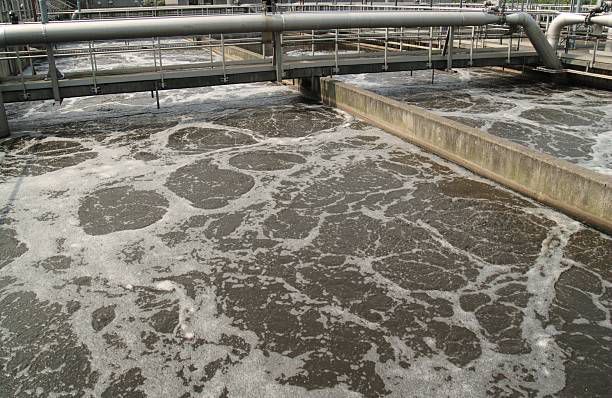
Wastewater treatment plants rely on aerobic tanks to break down pollutants. Biological system failures occur when sludge turns black accompanied by surface foam, causing discharge parameters to exceed allowable limits. Resolving this issue requires engineers to measure core environmental parameters rather than adding random bio-products.
Check 3 Critical Parameters with Measurement Instruments
Dissolved Oxygen (DO) Concentration
Dissolved oxygen concentration plays a vital role in maintaining respiration for activated sludge. Standard values range from 2.0 to 4.0 mg/L. Oxygen levels dropping below 1.5 mg/L lead to anoxic conditions, reducing efficiency and turning sludge black. Values exceeding 5.0 mg/L waste energy and break floc structures due to excessive agitation. Portable measuring devices enable direct testing at each location to accurately assess aeration efficiency.
Wastewater pH Index
The pH index reflects the stability of the influent stream. The optimal pH range lies between 6.5 and 8.5. Sudden fluctuations caused by acidic or alkaline chemicals push pH outside the safe range, damaging microbial communities. Dedicated pH meters placed directly in the stream provide continuous data to detect fluctuations promptly.
Nutrient Ratio (BOD : N : P)
Nutrient ratios must be maintained according to the formula 100 : 5 : 1. Industrial wastewater often lacks organic carbon or contains excess pollutants. COD measurement devices quantify incoming organic loads, establishing a precise baseline for adding molasses or compounds containing nitrogen and phosphorus.
4-Step Emergency Biological Tank Recovery Process
Isolate the system, turn off aeration, and discharge the damaged sludge into the sludge holding tank to prevent contamination from spreading to downstream tanks.
Engineers use pH meters to test and neutralize water to a range of 7.0 to 7.5, then restart the air blowers until the dissolved oxygen (DO) level exceeds 2.0 mg/L.
Add fresh biomass alongside nutrient sources (molasses, Urea, DAP) based on calculations of actual organic loading.
Continuously monitor parameters including temperature, pH, dissolved oxygen, and sludge settling volume (SV30) daily using portable instruments to track microbial growth rates.
Field Measurement Solutions from EMIN Vietnam
Genuine portable measurement instruments help engineers measure field parameters quickly, eliminating laboratory analysis delays and ensuring wastewater treatment system stability.