This is quite common in areas with hot climates like Vietnam. When direct sunlight hits the phone, the heat from the environment combines with the heat generated when the phone is in operation, making it difficult for the device to cool down.
Is it unusual for my phone to get hot in the sun?
Most modern phones are designed to function well in cool environments or at room temperature. When the ambient temperature rises, the phone will still operate but will overheat more easily.
Many people have experienced their phone slowing down or the screen dimming after using it outdoors for a while. This is a fairly normal reaction as the phone automatically reduces its activity to prevent overheating.
If it only gets slightly warm and returns to normal after letting the phone rest for a while, users don't need to worry too much.
Habits that make your phone heat up faster
When outdoors in the sun, certain usage habits can cause your phone to heat up faster than usual.
Continuously recording videos or taking photos is a common example. Prolonged camera activity causes the phone to process more data, leading to increased heat.
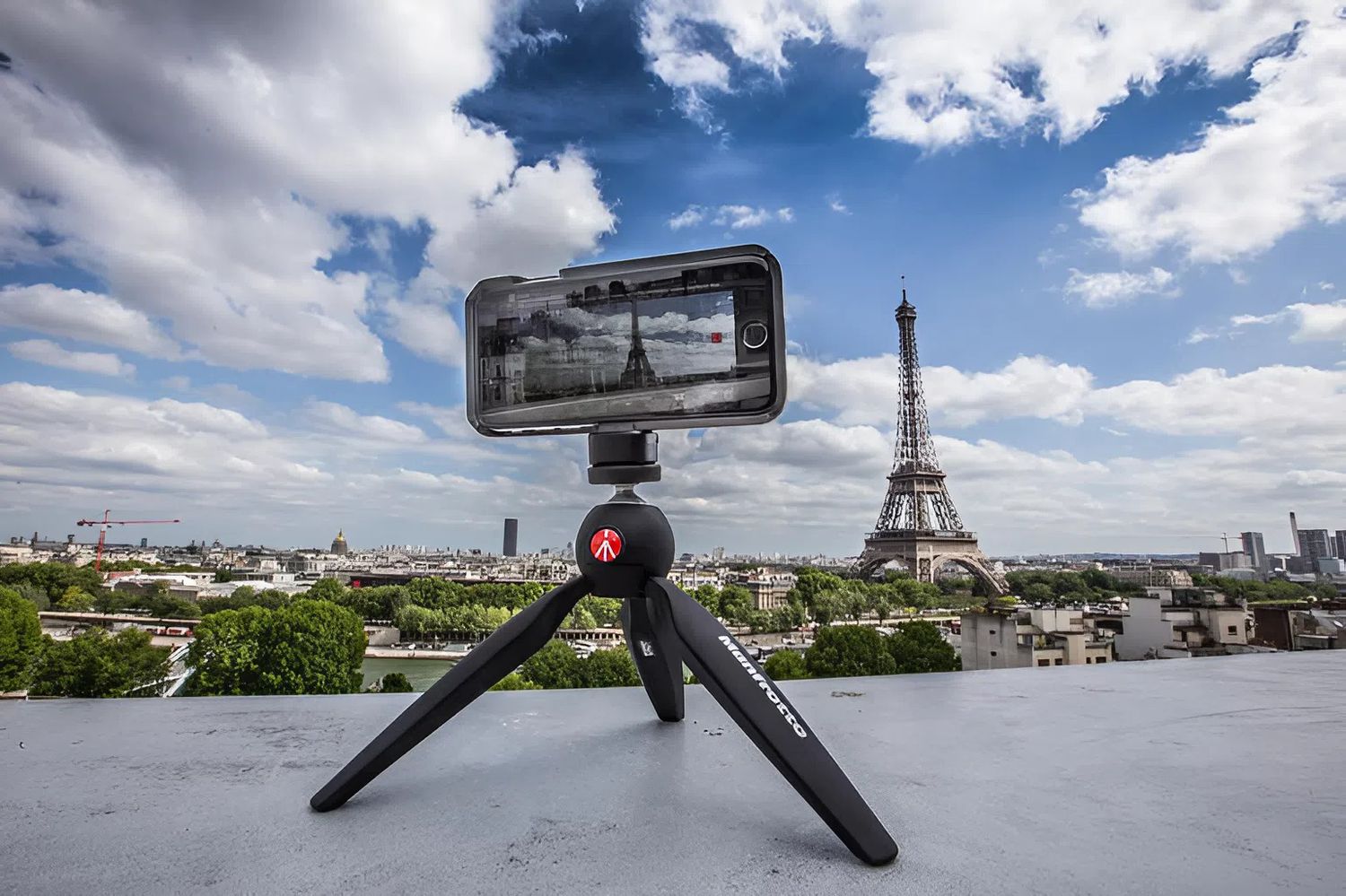
Playing graphically intensive games or constantly using mobile data also causes the phone to work harder. The screen often needs to increase brightness outdoors, further increasing the amount of heat generated.
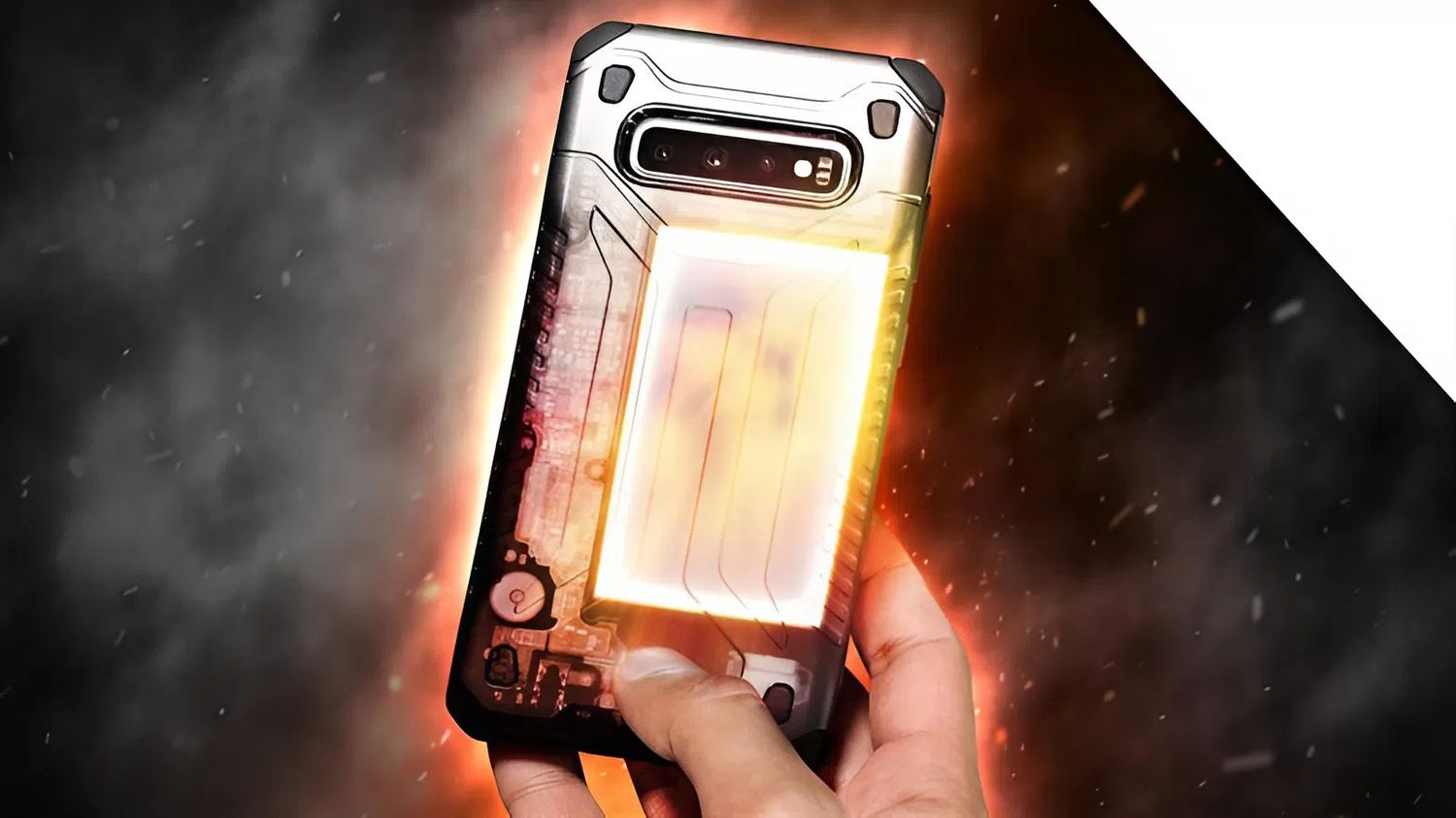
Additionally, thick phone cases sometimes trap heat inside the device, causing the phone to cool down more slowly.
How hot can a phone get outdoors?
When air temperatures rise, the surfaces of many objects placed in the sun tend to get significantly hotter. Phones are no exception.
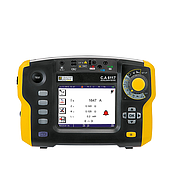
Several real-world tests have shown that phone surfaces can heat up considerably when placed in intense sunlight for extended periods. These tests sometimes use thermal cameras to observe the hottest areas on the device. For example, the Fluke TiS20+ thermal camera can clearly show which parts of the phone are radiating more heat.
Thermal imaging often shows the area behind the device becoming noticeably hot after prolonged outdoor use.
How to keep your phone from overheating when using it outdoors
A few simple habits can significantly help your phone stay cooler when used in direct sunlight.
First, limit direct sunlight exposure to your phone. Simply placing it in a shaded area or shielding it with your hand will help reduce heat absorption.
If you need to record videos or take photos, take a few minutes' break after a period of use to allow the phone to cool down naturally.
Removing the phone case when the phone is hot also helps the device dissipate heat more easily. Many people have noticed their phone cools down faster after removing the case.
Additionally, you can reduce screen brightness or turn on battery saver mode when using the phone outdoors for extended periods.
What to do when your phone is noticeably hot?
When your phone gets noticeably hot, the simplest solution is to stop using it and let it cool down in a cooler place. After a while, the temperature will gradually decrease, and the phone will function normally again.
Avoid cooling your phone too quickly by placing it in the refrigerator or in a place with very low temperatures. Sudden temperature changes can sometimes cause moisture to build up inside the device.
Allowing the phone to cool down naturally is still the safest and most effective method.