How Crowded Gyms and Yoga Studios Can Control Air Quality to Retain Members
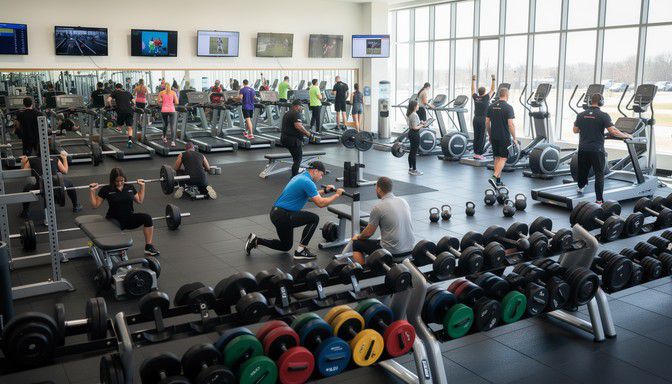
Around 6 or 7 PM, the studio is packed, the music drowns out heavy breathing, and the air conditioners run at full blast behind closed doors. At first glance, everything looks fine: the room feels cool, the lights are bright, and the machines are modern. Yet after just a few sessions, regular members start feeling heavy-headed, run out of breath faster, and quietly stop renewing their memberships. Nobody complains about the personal trainers, and nobody blames the workout equipment. What makes them feel suffocated and want to leave is the most invisible factor of all: the air inside the room.
Why Does Air Quality in Gyms and Yoga Studios Deteriorate Quickly During Peak Hours?
When occupancy surges between 5 PM and 9 PM, an enclosed space relying on recirculated air conditioning faces simultaneous pressure from four factors:
Rapid CO2 Accumulation
During exercise, breathing becomes faster and deeper, causing each person to exhale several times more CO2 than at rest. A closed studio running recirculated AC allows this gas to build up minute by minute. Common symptoms include headaches, drowsiness, poor concentration, and rapid fatigue—the exact sensations members experience without knowing why.
Humidity and Body Odor
Evaporating sweat raises indoor humidity, creating ideal conditions for bacteria and mold to grow on yoga mats, equipment handles, and contact surfaces. Body odor mixed with rubber flooring and mat smells makes the space feel heavy, which is often the very first thing members notice when walking in.
Volatile Organic Compounds (VOCs)
Rubber flooring, new exercise mats, disinfectants, and floor cleaners used continuously all emit VOCs. Members taking deep breaths draw far more of these gases into their respiratory tract than people sitting still, leading easily to nasal irritation and a dry throat.
Airborne Fine Dust
Lifting chalk (magnesium carbonate), floor dust, and AC airflow keep PM2.5 particles suspended in the air. When an athlete's breathing capacity expands to its maximum, these fine particles can penetrate much deeper into the lungs.
Which Metrics Should Studio Owners Monitor Daily?
You should track four groups of metrics, as each reflects a different aspect of the overall member experience.
Keep below 1,000 ppm. Above 1,500 ppm, air quality reaches an alarming level where members fatigue easily and lose focus.
Gyms should maintain 20 to 22°C. Standard Yoga rooms (excluding Hot Yoga) should maintain 23 to 25°C.
This balanced zone lets sweat evaporate effectively without causing dry throats or promoting mold on mats and gear.
Keep PM2.5 under 25 µg/m³ and TVOC within safe limits so Yoga practitioners can breathe deeply without inhaling chemicals.
These thresholds serve as standard benchmarks for high-occupancy spaces. Hot Yoga studios or facilities with specialized requirements should adjust accordingly, though the core principle remains unchanged: you need real measurements to compare against.
What Does It Take to Keep Studio Air Truly Fresh?
Optimize Ventilation and Fresh Air Supply
Recirculated air conditioning only cools existing indoor air, so studios need fresh air intake fans bringing outdoor air inside, paired with exhaust fans in dead corners and locker rooms where odor and moisture concentrate most. A simple yet effective habit is ramping up fresh air intake before peak hours rather than waiting until the room feels stuffy.
Filter Fine Dust and Disinfect with Low-Emission Products
Air purifiers sized appropriately for the floor area help reduce fine dust and odors, while scheduled disinfection of mats and equipment stops bacteria and mold at the source. Be sure to select low-VOC disinfectants so your cleaning routine does not create new air quality issues.
Measure Accurately Instead of Guessing
Personal perception of heat or stuffiness is subjective, and nobody can smell whether CO2 has crossed a safe threshold. With measurement instruments, managers know exactly when to boost fresh air fans, which classes spike CO2 fastest, and whether breaks between sessions are long enough for the air to recover. Operations shift from reacting to complaints to preventing them proactively.
Where Should Meters Be Placed and How Often Should You Check?
Placement determines data reliability. If your facility is large or divided into zones—such as free weights, cardio, and a Yoga studio—each zone should have its own measurement point.
Regarding frequency, mounting a stationary monitor for continuous tracking is ideal because upward CO2 trends appear right at the start of a session. If technical staff perform manual spot checks, inspecting every two hours during peak periods is the minimum needed to boost ventilation fans before levels exceed thresholds.
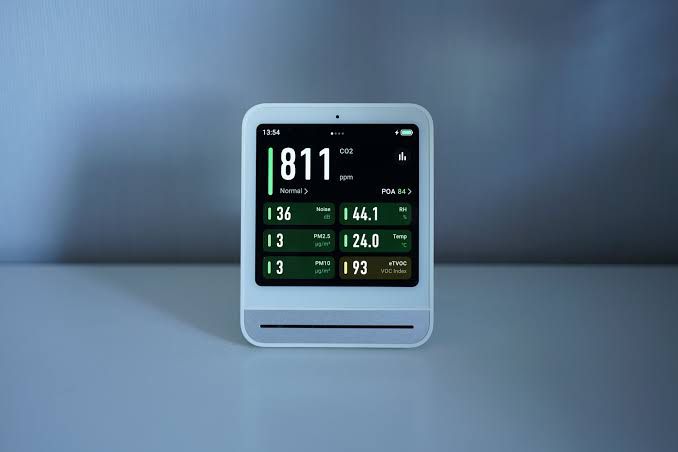
Which Environmental Meters Fit Specific Studio Needs?
Depending on studio size and your facility management team, you can choose from the following dedicated measurement instruments:
Temtop C10
A compact choice for continuous CO2, temperature, and humidity monitoring. It measures CO2 from 0 to 5,000 ppm in a sleek wireless design that sits easily on a reception desk or mounts onto workout area walls.
Temtop S1
Ideal for studios with rubber flooring, lifting chalk, or dusty weight zones. It visually displays PM2.5 fine dust, temperature, and humidity, letting cleaning staff know when to turn on air purifiers without needing technical training.
Senseca PRO D01 / OMEGA HHF11A
Advanced multi-function meters helping building technicians check airflow velocity at supply vents and verify whether fresh air fans deliver their rated capacity—completely replacing guesswork.
What Does Investing in Studio Air Quality Deliver?
Members rarely say they left a gym because of the air, yet they always remember the feeling of walking into a space that is airy, odor-free, and easy to breathe in. That is what builds a truly premium experience sustainably—and keeps members around far longer than any short-term promotional discount.
For studio owners, air quality control also optimizes electricity costs, because you know the exact moments to ramp up fresh air fans instead of running everything at full power all day.
Need Advice on Meters Tailored to Your Studio's Size and Layout?
EMIN's technical team is ready to help you select the optimal CO2, fine dust, VOC, and airflow measurement instruments for your Gym, Yoga studio, or locker rooms.