Vacuum Gauge Controller
Accurate vacuum measurement depends not only on the sensor itself, but also on how reliably the signal is displayed, processed, and integrated into the wider system. In laboratory, coating, semiconductor, and industrial vacuum applications, a Vacuum Gauge Controller serves as the central interface between vacuum gauges and the operator or control architecture.
On this page, you can explore controller options designed for different gauge types, communication needs, display preferences, and relay functions. Whether the priority is a compact single-channel setup or a more flexible multi-channel configuration, choosing the right controller helps improve monitoring, alarm handling, and process consistency.
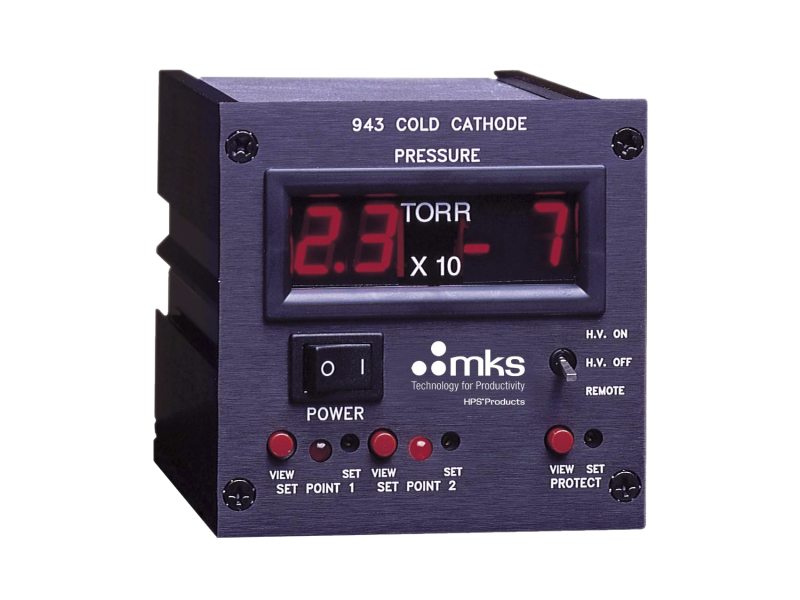
Why vacuum gauge controllers matter in a measurement system
A vacuum gauge controller does more than power a connected gauge. It provides a usable readout, converts measurement data into standard units, and often adds practical control features such as relay outputs, digital communication, and configurable setpoints. This makes it a key component in systems where vacuum level must be monitored continuously or tied to process actions.
In many installations, the controller is also the bridge between local indication and higher-level automation. Interfaces such as RS232, RS485, USB, or Ethernet can simplify data collection, remote status checking, and integration with PLC or supervisory systems. For users comparing pressure-related solutions more broadly, it can also be useful to review related pressure control and valve products when a process requires both measurement and active regulation.
Common configuration differences to consider
One of the first selection points is the number of measurement channels. Some controllers are intended for a single connected gauge, which is often suitable for compact systems or dedicated stations. Others support multiple channels, allowing several gauges to be monitored from one controller and making them better suited to more complex vacuum lines or equipment with multiple measurement points.
Another important factor is the available user interface. Depending on the model, displays may be optimized for straightforward local viewing or for more detailed setup and programming. Beyond display style, buyers typically compare communication interface options, relay count, supported units, and compatibility with the gauges already installed in the system.
Representative product options in this category
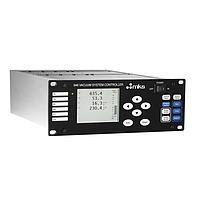
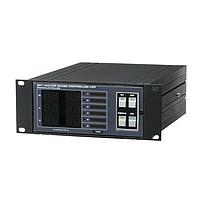
Among the featured solutions, the INFICON range includes models for both advanced and streamlined applications. The INFICON VGC083B Vacuum Gauge Controller supports three measurement channels and is designed for use with compatible gauges such as PGE050, BAG051, BAG052, and BAG053. It also provides multiple assignable relay outputs, which can be helpful where alarms or interlocks must be linked to different measurement points.
For single-channel requirements, the INFICON TPG361 Vacuum Gauge Controller offers a broad connectivity profile with USB, Ethernet, and RS485, alongside selectable pressure units and relay functions. That makes it relevant for users who need a controller that can move beyond basic display duties and fit into more connected monitoring environments.
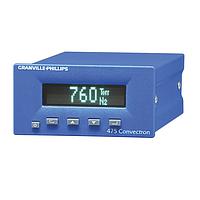
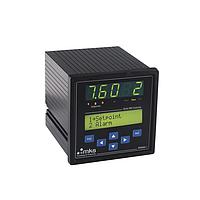
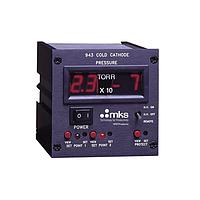
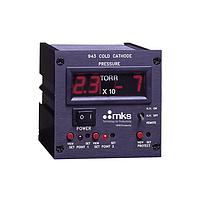
The MKS 475 Convectron® Vacuum Gauge Controller family illustrates another common purchasing scenario: choosing among variants based on unit preference, communications, and relay requirements. Available versions in this category include configurations in Torr, mbar, or Pa, with either RS232 or RS485 communication, and with or without relays. This is often useful in retrofit projects where the controller must match an existing instrument network or plant standard.
How to choose the right vacuum gauge controller
The most practical starting point is gauge compatibility. A controller must support the specific gauge family in use, and that requirement usually determines the shortlist quickly. After that, it becomes easier to compare channel count, preferred engineering units, relay needs, and communication method.
For example, a basic local measurement station may only need a single-channel controller with a simple display and serial communication. A larger process tool may benefit from multiple channels, several relay outputs, and more flexible digital interfaces for integration into a broader automation environment. If the application also involves active vacuum or pressure stabilization hardware, related products such as pressure regulators may be relevant in the same system design.
Interface, relay, and display considerations
In day-to-day operation, usability often depends on a few features that are easy to overlook during procurement. A clear display helps operators verify pressure conditions quickly, especially during pump-down, venting, or maintenance checks. Where multiple personnel or shifts interact with the equipment, readable local indication can reduce setup errors and speed troubleshooting.
Relay outputs are equally important when vacuum thresholds need to trigger alarms, interlocks, or equipment sequencing. Some of the controllers listed here provide two relays, while others provide more extensive relay capability or no relay output at all. The right choice depends on whether the controller is used only for indication and communication, or as part of a simple control logic scheme.
Communication should also match the plant environment. RS232 remains common in legacy or standalone setups, while RS485 is often preferred for more robust serial networking. In some modern applications, USB or Ethernet support can simplify commissioning, data access, or connection to supervisory software.
Typical applications and buying scenarios
Vacuum gauge controllers are commonly used in systems where stable and traceable pressure indication is essential. This can include vacuum chambers, leak testing setups, analytical instruments, process tools, and general industrial vacuum equipment. The exact controller choice often reflects the balance between measurement range requirements, available gauges, and the level of local or remote control needed.
A common replacement scenario is matching an installed gauge and preserving the existing communications protocol. Another is standardizing around one manufacturer across multiple tools to simplify maintenance and operator familiarity. For users comparing alternatives within the same product family, the available models on this page provide a practical view of how differences in units, interface type, and relay availability can affect suitability.
Find a controller that fits your vacuum setup
This category brings together vacuum gauge controllers for a range of integration levels, from straightforward single-gauge monitoring to more configurable multi-channel systems. Featured options from INFICON and MKS cover several common requirements, including serial communication, relay-based signaling, multi-unit display, and compatibility with specific gauge families.
If you are selecting a new controller or replacing an existing unit, focus first on sensor compatibility, then on channel count, interface type, and alarm functionality. That approach usually leads to a faster and more reliable shortlist, especially in industrial and technical B2B environments where uptime and system fit matter more than generic specifications alone.
Get exclusive volume discounts, bulk pricing updates, and new product alerts delivered directly to your inbox.
By subscribing, you agree to our Terms of Service and Privacy Policy.
Direct access to our certified experts