What is high voltage?
High voltage electricity is an electrical system with a high voltage level, capable of causing serious danger to people and equipment even without direct contact. According to the currently applied classification, high voltage electricity typically starts at levels above 35 kV.
In Vietnam, the commonly used high voltage levels include 110 kV, 220 kV, and 500 kV. These are voltage levels belonging to the national power transmission system, responsible for delivering electricity from power plants to intermediate substations and major consumption areas.
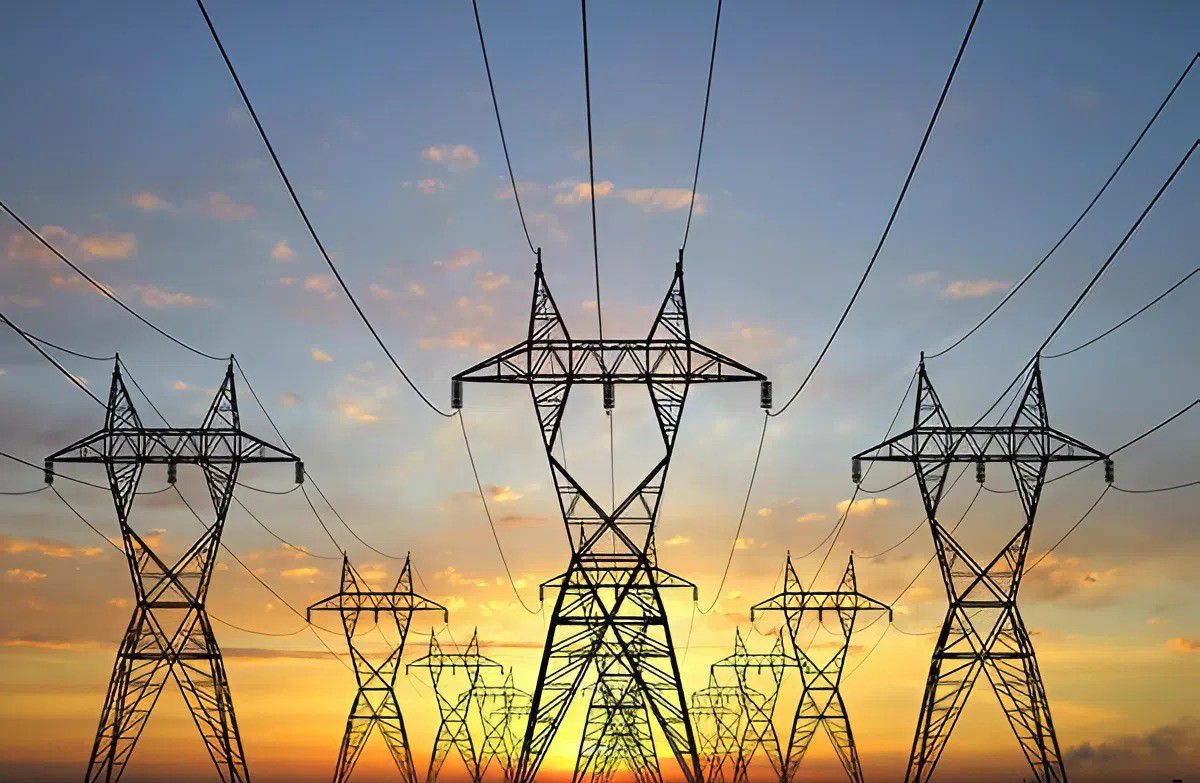
High-voltage power grids use bare conductors suspended on utility poles via strings of insulators. This structure helps reduce power loss but also increases the risk of electrical discharge when approached at close range.
Characteristics of high-voltage power grids
High-voltage power systems require strict technical standards to ensure stable operation and safety. The conductors are uninsulated, and the distance between the conductors and the ground and surrounding structures is calculated based on the discharge capacity at each voltage level.
High-voltage power poles typically use centrifugal concrete poles, steel tower poles, or specialized poles, with common heights of 18 meters or more. This height helps maintain a safety corridor, minimizing impact on people, vehicles, and structures below.
High voltage safe distance
High voltage electricity has the potential to discharge through the air; therefore, safe distances are not only determined by direct contact but also depend on the voltage level and the surrounding environment. Current regulations clearly define the minimum distance between high-voltage power lines and roads, railways, and inland waterways.
1. Safe distance for 35 kV high voltage power lines.
For 35 kV power lines, the minimum safe distance to road vehicles is 2.5 m. For railways and other electrical installations, the minimum required distance is 3 m. In inland waterways, a distance of 1.5 m at the lowest point of sag must be ensured.
2. Safe distance for 110 kV high voltage power lines.
At 110 kV voltage level, the safe distance from roads is maintained at 2.5 m. Railways and other electrically powered transportation infrastructure must maintain a minimum distance of 3 m. Inland waterways require a distance of 2 m.
3. Safe distance for 220 kV high voltage power lines.
220 kV power grids have a higher potential for electrical discharge, therefore the safety distance must be increased. Roads require a minimum distance of 3.5 m. Railways and power transmission infrastructure require 4 m. Inland waterways require a distance of 3 m.
4. Safety corridor distance for 500 kV power grid
At the 500 kV voltage level, safety regulations are much stricter. Road vehicles need to maintain a minimum distance of 5.5 m. Railways and electrically powered transport infrastructure require 7.5 m. Inland waterways require a distance of no less than 4.5 m.
Learn more about low voltage electricity: What is low voltage electricity? What are the current regulations regarding safe distances for low voltage electricity?
Safety principles when approaching high-voltage power lines.
High-voltage power lines pose a risk of electrical discharge even without touching the conductors. Therefore, basic safety principles must be strictly adhered to.
Do not approach high-voltage power lines at a distance less than the permitted distance. Do not climb power poles, and do not touch conductors or objects suspected of being conductive located near power lines.
Avoid using long metal equipment such as ladders, cranes, forklifts, or antennas near power line corridors. These items can easily become conductors of electricity when they get too close to high-voltage lines.
Do not excavate, construct, or renovate structures near power poles without permission from the power management authority. High-voltage power pole foundations are deep and directly affect the stability of the entire line.
Upon discovering a broken power line, electrical discharge, or any unusual signs on a power pole, maintain a safe distance and immediately notify the power company. Do not approach or handle the situation using ordinary means.
Measuring equipment to support high-voltage electrical work.
In high-voltage environments, assessing voltage and load current conditions requires specialized measuring equipment that meets insulation safety and field stability requirements. The electrical measuring equipment distributed by EMIN effectively meets these needs.
The Fluke 117 multimeteris widely used for testing AC voltage, DC voltage, and continuity in electrical cabinets, substations, and auxiliary systems of high-voltage power grids. The device meets CAT III 600 V safety standards, making it suitable for industrial electrical environments.
For non-contact current measurement needs, the Fluke 323 clamp meter is a suitable choice for electrical engineers requiring quick assessment of load current on conductors without directly interfering with the circuit. This clamp meter is well-suited for AC current measurement applications in transmission and distribution systems.
For non-contact current measurement, the Kyoritsu 2117R clamp meter is also widely used in testing leakage current and load current in power lines and industrial switchgear. The device supports quick measurements, convenient operation, and is suitable for routine maintenance.