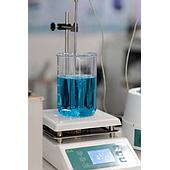
The sensor assembly in a multiparameter water tester is always the most sensitive and heavily loaded component due to direct contact with chemicals, sludge, and impurities. In actual operation at monitoring stations or water treatment plants, replacing new sensors consumes a major portion of the budget. However, by mastering degradation mechanisms and implementing proper maintenance techniques, technicians can fully restore electrode sensitivity, helping the device operate stably and extending replacement cycles.
Degradation Mechanisms and Causes of Measurement Drift
The measurement of pH, electrical conductivity, or dissolved oxygen relies on electrochemical reaction principles and optical transmission. Continuous operation in liquid environments causes the surface of glass sensing membranes or optical lenses to become coated with biofilms and deposited inorganic scale. This fouling layer hinders ion exchange, leading to zero-point drift, reduced sensitivity, and significantly slower response times.
Additionally, thermal shock and pipeline pressure fluctuations damage the membrane's microstructure or degrade the internal electrolyte solution. If not detected in time, these deformations will trigger continuous system errors and rapidly shorten equipment lifespan.
Electrode Cleaning and Maintenance Procedures for Water Testers
Instead of harsh mechanical methods that can easily crack the sensitive membrane, cleaning requires appropriate physicochemical methods tailored to each type of deposit. First, the electrode should be gently rinsed with a stream of deionized water to remove loose surface debris. For stubborn inorganic scale such as calcium or magnesium, an effective solution is to soak the probe tip briefly in a specialized dilute acid solution to dissolve deposits without corroding the thin film layer.
For pH sensors, maintaining a hydrated state for the glass membrane is decisive. The probe tip must always be stored in a standard potassium chloride (KCl) solution of the correct concentration; dry storage or prolonged soaking in distilled water—which causes ion leaching—must be strictly avoided. For dissolved oxygen sensors, technicians should periodically inspect the optical filter or permeable membrane and address air bubbles or minor scratches immediately upon detection.
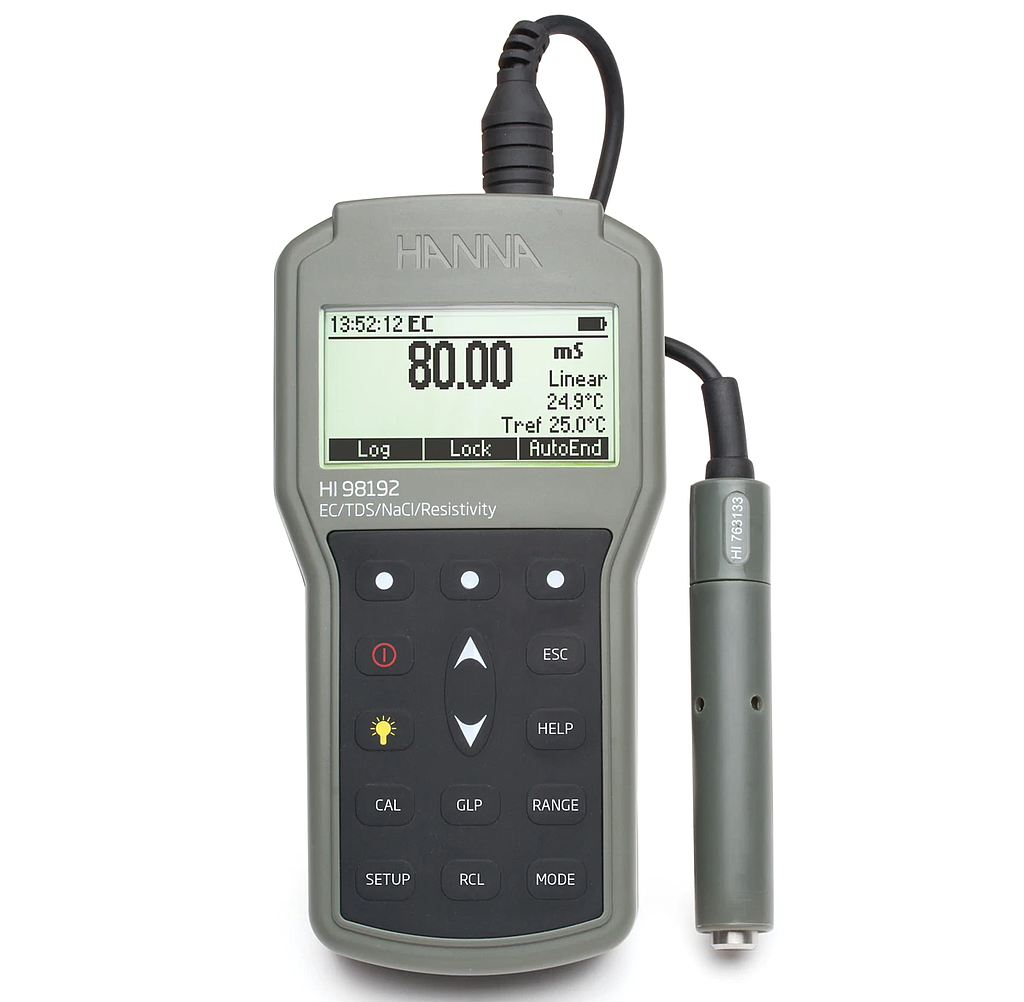
Accurate Calibration Techniques to Maintain Sensitivity
Calibration is not merely adjusting the displayed value; it is a health check for the sensor. To completely eliminate errors caused by temperature differentials, the probe must reach full thermal equilibrium with the buffer solution before recording reference points.
Buffer solutions must come from traceable sources, be within their expiration dates, and be strictly stored to prevent carbon dioxide absorption from the air, which alters their concentration. Maintaining a periodic calibration schedule alongside logging offset values allows for accurate prediction of sensor degradation, enabling proactive intervention before severe failure occurs.
Controlling Electrode Slope
For pH sensors, the ideal slope value ranges from 95% to 102%. When this indicator drops below 85%, the instrument's response time slows down noticeably, and measurement reliability declines.
In cases where the glass membrane exhibits severe drift or sluggish response due to prolonged use, instead of immediate replacement, technicians can apply a membrane rejuvenation technique using specialized electrode regeneration solutions. This chemical treatment completely removes the aged alkali layer on the surface, restoring flexible ion-exchange capacity to the glass.
Operating Logs and Optimizing Storage Conditions
Probe longevity depends heavily on the storage environment when the water tester is idle. Leaving sensors dry in open air or submerged continuously in running water without a resting mode accelerates membrane degradation. Installing pre-treatment sediment filters or pressure-reducing flow cells also shields the probe from the mechanical impacts of high-pressure streams.
A weekly calibration tracking log serves as a key tool for managers to proactively monitor each device's degradation cycle. Regularly recording offset values, ambient temperatures, and chemical consumption not only aids in early detection of technical anomalies, but also provides the foundation for scheduling periodic maintenance—helping businesses manage spare parts inventory proactively and maximize long-term operational cost savings.