SF6 moisture analyzers are used to monitor the condition of high-voltage electrical equipment filled with SF6 gas. SF6 is widely used in electrical equipment because of its excellent insulating and arc-quenching properties. However, even small amounts of moisture in the gas, commonly referred to as trace moisture, can affect operational reliability if they are not properly monitored.
Testing is not simply about recording a single measurement at a specific point in time. SF6 moisture data can also help technical teams evaluate operating conditions and plan maintenance based on changing trends. For this reason, SF6 moisture analyzers are often used during routine inspections, after maintenance, or when the condition of the gas inside equipment needs to be reassessed.
Why SF6 Micro Water Matters
Excess moisture in SF6 gas can create risks under specific operating conditions. The source material notes that moisture may contribute to the formation of corrosive substances, including hydrofluoric acid (HF), when gas decomposition occurs. These substances can affect internal insulation materials and metal components.
Over time, such conditions may accelerate insulation aging. In severe cases, the resulting deterioration can increase the risk of insulation problems, including flashover or breakdown. For this reason, moisture measurement is a useful part of maintaining the safe and stable operation of high-voltage equipment.
It is important to assess readings in the context of the equipment being tested. Different voltage levels and equipment designs may have different moisture requirements. The applicable technical specifications for the equipment should be used when determining whether a result is within the required range.
Factors That Can Influence Moisture Content
SF6 gas moisture levels do not depend on one factor alone. Understanding possible sources of moisture can help teams plan more meaningful inspections and follow-up work.
Ambient humidity
The humidity of the surrounding environment can affect the moisture condition of SF6 gas. This is particularly relevant when equipment is opened, serviced, filled, or otherwise exposed during maintenance activities.
Equipment sealing performance
Seals are intended to limit the entry of external moisture. If sealing performance declines, the possibility of moisture entering the equipment may increase. Long-term operation can contribute to seal aging, making periodic condition checks valuable.
Gas filling and maintenance practices
Moisture can also be introduced during gas filling or maintenance if procedures are not carefully controlled. Measuring after maintenance or overhaul can therefore provide useful confirmation of the gas condition.
How to Use an SF6 Moisture Analyzer
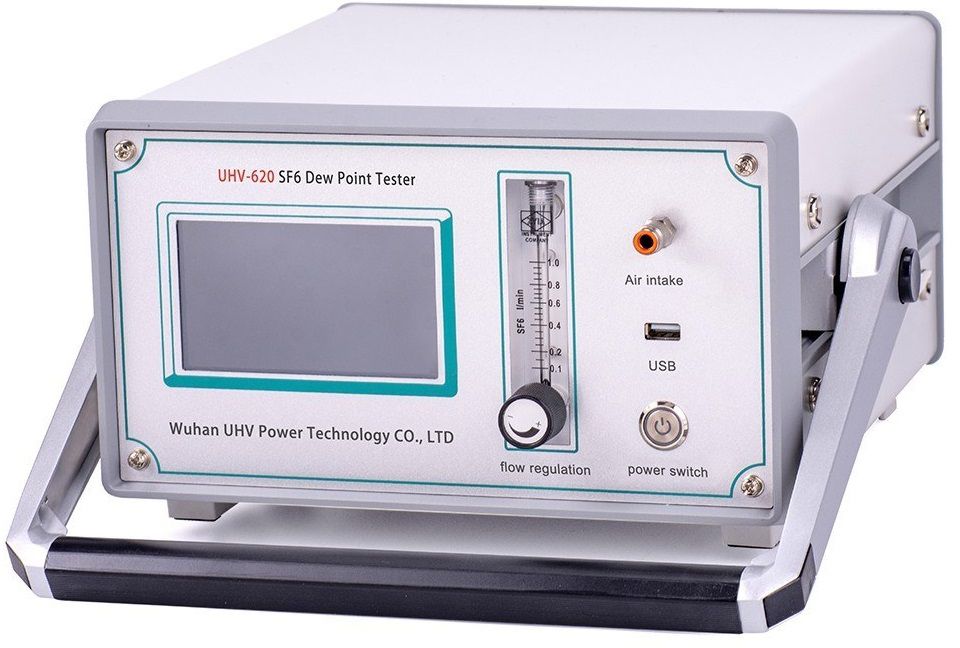
An SF6 Gas Dew Point Tester is generally connected to the SF6 gas interface of the equipment under test. The instrument sampling port is connected, after which the instrument samples and analyzes the gas. The displayed value indicates the current moisture condition of the sample.
Readings are commonly expressed in ppmv, meaning parts per million by volume. This unit allows maintenance personnel to record results consistently and compare readings collected at different times. The measurement should be carried out in accordance with the instrument instructions and the relevant equipment procedures.
A measurement result is most useful when it is supported by context. Record the equipment identification, test date, operating or maintenance status, and relevant environmental conditions where applicable. These details can help explain variations between measurements and support future analysis.
Building a Practical Monitoring Plan
Regular monitoring can make SF6 gas moisture information more actionable. Rather than treating measurement as a one-time activity, establish a schedule that reflects the condition and maintenance cycle of the equipment.
- Measure SF6 micro water on a regular planned basis.
- Perform an additional measurement after maintenance, overhaul, or gas filling work.
- Compare results collected in different seasons or weather conditions when this is relevant to the equipment environment.
- Maintain a record of readings to identify trends and support maintenance planning.
- Review results against the applicable equipment technical specifications.
Trend review is especially valuable because it focuses on change over time. A single reading describes the gas condition at one point, while a consistent record can help reveal whether moisture is stable or changing. If results require investigation, the sealing condition, maintenance history, and gas-handling process are relevant areas to review.
Considerations When Selecting a Measuring Instrument
When choosing an instrument for SF6 gas micro water measurement, consider the needs of the intended work. Relevant considerations include measurement accuracy, response speed, portability, durability, and available technical service support. The selection should also fit the equipment interfaces and the organization’s established measurement procedures.
Reliable measurement is not only about the instrument itself. Correct sampling connection, careful handling during testing, regular checks in line with the instrument documentation, and clear recordkeeping all contribute to useful results.
Frequently Asked Questions
What is the acceptable SF6 micro water level ?
There is no single value stated here for every application. Moisture requirements can differ by equipment and voltage level. Refer to the applicable technical specifications of the equipment manufacturer when evaluating a result.
What unit is used for SF6 micro water readings ?
SF6 micro water readings are commonly shown in ppmv, or parts per million by volume.
Why should moisture be monitored after maintenance ?
Maintenance and gas filling activities can introduce moisture if handling is not properly controlled. A follow-up measurement helps document the gas condition after the work is completed.
Where Can a Quantitative SF6 Leak Detector Be Used?
The instrument is suitable for maintenance and inspection work in areas where SF6-filled equipment is installed, including high-voltage switchgear and GIS equipment. Depending on actual operating conditions, it can be used for both indoor and outdoor applications.
Can a Quantitative Leak Detector Be Replaced by Other Methods?
Other methods may include monitoring SF6 gas density relays or collecting gas samples for analysis. However, a quantitative SF6 leak detector offers advantages for on-site inspections by helping users locate potential leak sources and evaluate the level of leakage.
When Should SF6 Leak Testing Be Performed?
SF6 leak testing should be included in a routine maintenance program. Inspections should also be considered when there are changes in gas conditions or when maintenance is performed on equipment components.
Can weather and seasonal conditions affect measurement planning ?
Environmental humidity is one factor that can influence moisture content. SF6 gas leakage detector taken under different seasonal or weather conditions may provide a broader view of changes in the equipment’s gas condition.