What are the signs of a gas leak?
The smell of gas in the air
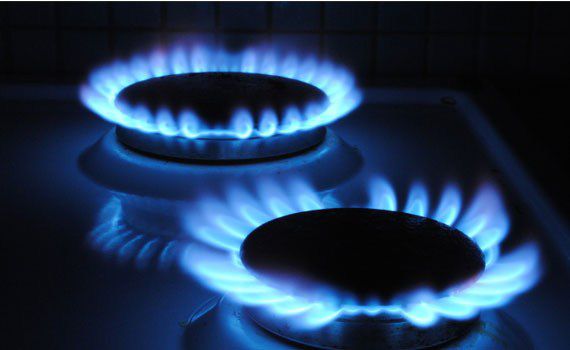
The most recognizable sign of a gas leak is a strong gas smell that appears even when the stove is not in use. The cause may come from a leaking gas line, a malfunctioning gas valve, or a gas pipe that is not connected, creating a gap for gas to escape.
The fire burned unusually
If when you turn on the stove, you see an unusual red flame with a gas smell, it may be a sign of a gas leak. The cause may be due to a problem with the fire tray, a misaligned fire tray, or wet ignition ceramic. However, it is also necessary to check that the bottom of the pot is not covered with water, as this can also cause the fire to turn red.
Gas stove does not light up
Another sign of a gas leak is that the stove does not ignite even though the tank still has gas. The cause is usually due to a damaged gas line, causing the gas to not reach the stove but escape, or because the stove's igniter is dirty. If your home has just been painted or whitewashed, this can also affect the stove's flammability.
The fire makes strange sounds

When cooking, if you hear strange sounds from the gas stove flame, immediately turn off the stove to avoid gas leaks. The cause may be that the air supply or fire throat is not installed correctly, or the fire exhaust slot is clogged. If you use a mini gas tank, carefully check the quality of the gas tank to ensure safety.
Reference: Wöhler GS 220 gas leak detector
How should gas leaks be handled?
Create a clear space for gas to escape
When detecting a gas leak, while cooking, immediately turn off the stove, lock the gas valve and open all windows and doors to help the gas escape. You can use a hand fan or cardboard to fan the gas out. Be sure to fan horizontally to avoid gas from flying up and inhaling, causing poisoning. People in the house should try to stand tall, use a wet towel to cover their nose and quickly leave the area.
Stay away from sources of ignition
When a gas leak occurs, absolutely do not let sparks appear because the risk of fire and explosion is very high. Avoid turning on lighters and matches in places where leaks are suspected, and do not turn on or off electrical equipment near areas with gas. Instead, cut the circuit breaker remotely to ensure safety. In particular, you should not use your phone in an area with a gas leak, because phone waves can cause a fire or explosion. If you need to use it, move at least 3 - 4 meters away.
Notes on safe use of gas stoves

Although gas stoves are very popular, problems are inevitable. To ensure safety and minimize the risk of gas leaks, you need to note the following:
Place the gas tank in a cool place: The gas tank needs to be placed in a dry, airy area to avoid high temperatures and humidity causing damage or leakage from the wire.
Regularly clean the stove: Cleaning the stove regularly helps prevent gas leaks. In particular, it is necessary to pay attention to cleaning the ceramic heater and fire tray to ensure that the stove always operates well.
Turn off the gas valve after cooking: After use, turn off the gas valve immediately to prevent gas from escaping from the valve or tank.
In addition, you should install gas leak detection equipment to promptly handle incidents, ensuring family safety.