Reversible Temperature Labels
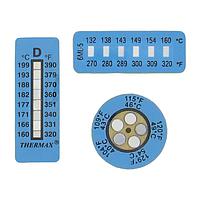
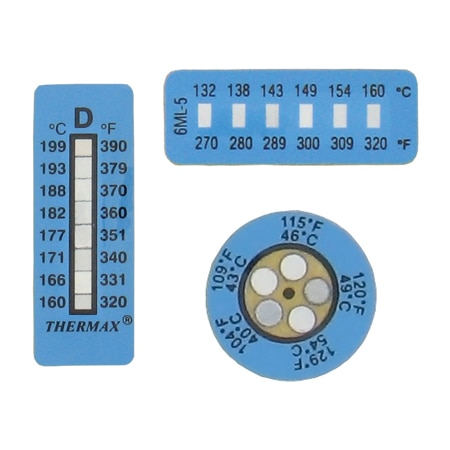
When equipment surfaces, pipes, motors, or panels need a quick visual check for heat exposure, simple temperature indicators can be more practical than installing a full electronic monitoring system. Reversible Temperature Labels are used for this purpose: they provide an immediate color-based indication of whether a surface is within a given temperature range, making them useful for maintenance, inspection, and troubleshooting tasks across industrial environments.
On this page, buyers can explore temperature-indicating solutions suited to routine monitoring, preventive maintenance, and process verification. This category is especially relevant where operators need an easy-to-read indicator directly on the asset, without wiring, power supply, or handheld measurement at every inspection point.
Where reversible labels fit in temperature monitoring
Reversible labels are designed for situations where temperature may rise and fall during normal operation and the user wants a visual indication of the current condition rather than only a permanent record of peak exposure. In maintenance workflows, they are often applied to surfaces that need regular observation, helping technicians identify overheating trends before they develop into larger reliability issues.
Because they are compact and easy to place near the point of interest, these labels are a practical option for electrical enclosures, bearings, housings, process lines, and other accessible surfaces. They are also useful when a fast visual inspection is preferred over repeated spot checks with handheld tools.
Common applications in industrial and facility environments
These labels are commonly selected for equipment that benefits from routine temperature observation during operation. Typical use cases include checking motor casings, gearboxes, pumps, compressed air systems, HVAC components, and heated process equipment where temperature variation is expected as load conditions change.
In building services and general plant maintenance, they can support inspection teams by making abnormal heat conditions easier to notice during walk-throughs. In production settings, they may also be used as a simple process aid to verify whether a surface has reached or remained within an expected temperature band during a cycle.
How reversible labels differ from permanent temperature indicators
The main distinction is in how the indication behaves after the temperature changes. Reversible products are intended to reflect the present or changing condition, while non-reversible temperature labels are better suited when users need evidence that a threshold has been exceeded at any time, even if the equipment later cools down.
For applications involving one-time overheating events, transport verification, or permanent over-temperature records, irreversible indicators may be the better match. For operators comparing live conditions across multiple assets during inspection rounds, reversible labels can provide a more convenient visual reference. In some environments, users may also consider temperature lacquer when the application surface, geometry, or marking method calls for a brush-on alternative.
Selection points that matter before you buy
Choosing the right label starts with the expected temperature range and the nature of the monitored surface. Buyers should confirm the anticipated operating temperatures, whether the heat exposure is continuous or intermittent, and whether the label needs to be read easily during routine inspections.
It is also important to consider surface cleanliness, mounting location, and environmental conditions. A label applied to a smooth, accessible housing may perform very differently from one placed near contamination, vibration, or frequent washdown. Reading distance, lighting, and the desired level of visual contrast can all affect usability in the field.
If the process regularly reaches a fixed threshold and the main goal is to know whether that temperature was ever crossed, a permanent indicator may be more appropriate. If the requirement is to observe whether a component is currently hot, cooling, or fluctuating through a normal operating range, a reversible format is generally the more suitable choice.
Related product options and manufacturer context
This category sits within a broader range of temperature indication solutions used in industrial maintenance and process monitoring. Buyers already working with Dwyer products may also review complementary options for temperature indication depending on whether the application calls for current-state visibility or irreversible event tracking.
Examples of temperature-indicating products in the wider range include the Dwyer KS-0206, KS-0207, and KS-0208 self-adhesive irreversible labels for climate monitoring. These examples illustrate how selection often depends on the required temperature band and whether the user needs a permanent over-temperature indication rather than a reversible visual response.
Why these labels are useful in preventive maintenance
In many facilities, maintenance teams need a low-cost way to expand coverage across multiple assets without adding instrumentation to every location. Surface temperature monitoring with labels helps create more visible inspection points, which can support earlier identification of abnormal operating conditions.
Used correctly, these indicators can complement other temperature measurement methods rather than replace them. They are especially valuable as screening tools: if a label suggests unusual heat behavior, technicians can then follow up with more detailed testing using handheld or installed measurement devices.
Practical buying guidance for B2B users
For engineering, maintenance, and procurement teams, the best purchasing decision usually comes from matching the indicator type to the inspection objective. Ask whether the goal is to observe temperature changes during operation, verify that a process reaches a target state, or maintain evidence of a past overheating event. That answer will usually narrow the choice quickly.
It also helps to review the installation environment and the number of monitoring points required. In multi-asset inspections, labels can offer a scalable solution that is easy to standardize across equipment groups. Where a temporary visual signal is more useful than a one-time permanent change, reversible labels are often the more practical fit.
Final considerations
For many industrial users, reversible indicators provide a straightforward way to add visual temperature checks where electronic monitoring would be unnecessary or impractical. They are most useful when temperature is expected to vary and the operator needs a simple, immediate reading during inspection or operation.
By selecting the right format, temperature range, and application method, buyers can improve routine monitoring without overcomplicating the maintenance process. If your application requires a different indication behavior, it may also be worth comparing this category with other reversible temperature label options and related temperature-indicating solutions before making a final selection.
Get exclusive volume discounts, bulk pricing updates, and new product alerts delivered directly to your inbox.
By subscribing, you agree to our Terms of Service and Privacy Policy.
Direct access to our certified experts