Inductor concept
An inductor is a passive electronic component that creates a magnetic field when current flows through it. The structure of an inductor includes a coil of wire wound into many turns, allowing it to store energy in the form of a magnetic field. The unit of measurement for an inductor is self-inductance, also known as Henry, denoted H.
Introducing the method of using a multimeter to measure inductors
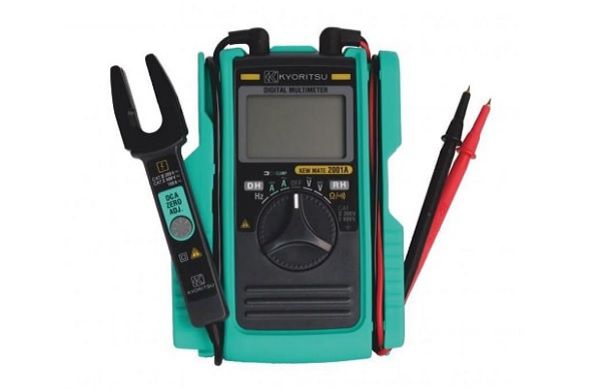
Measuring an inductor with a multimeter is a popular method due to its simplicity and accuracy. Multimeters equipped with the ability to measure inductors will have the symbol L (inductance) or the unit of measurement is H (Henry). Not all multimeters support this function, so you need to check the device carefully before using it.
Using a multimeter to measure inductors saves time and simplifies the testing process without the need for many other tools. This is a choice that many people trust when they need to quickly check and determine the parameters of the inductor.
Instructions for measuring inductors with a multimeter
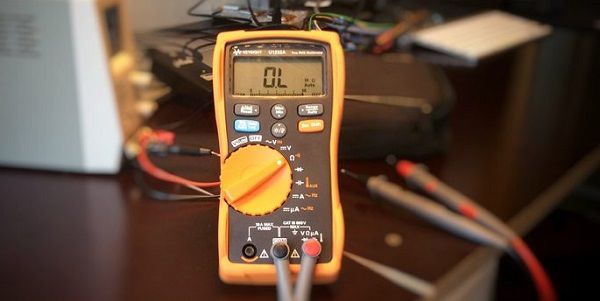
Here are two popular methods you can apply:
Method 1: Measure the inductor using a voltage scale
Step 1: First, you adjust the needle to 0 on the voltage scale, then adjust the switch to the appropriate scale.
Step 2: Next, bring the switching head to the required voltage scale. Note that the scale you choose needs to be larger than the voltage you are expected to measure.
Step 3: Place two measuring sticks at two different points of the inductor. The red rod is placed in the higher voltage position, the black rod is in the lower position. For AC voltage measurement, you can place any stick on either terminal of the voltage. Then, record the value when the needle stops on the index line.
Step 4: To calculate the result, apply the formula: V = (A x B) / C, where A is the voltage scale value, B is the value at which the needle stops, and C is the maximum value on measuring line. The unit of measurement will be according to the scale you are using.
Method 2: Measure the inductor with a multimeter with Ohm scale (Ω)
Step 1: First, you adjust the meter's switching head to the appropriate ohm scale. Then, connect the two measuring leads of the multimeter to the two ends of the inductor to be tested. Note, before measuring, you need to adjust the potentiometer to 0.
Step 2: Monitor the position where the indicator needle stops on the scale, this will be the measured value.
Step 3: To determine the measurement results, apply the formula: R = A x B, where A is the value of the ohm scale and B is the stop value of the indicator needle. The resulting units will depend on the scale you use.
Refer to specialized multimeter models:
To achieve accurate inductor measurement results, you should choose multimeters from reputable brands such as Hioki, Kyoritsu, Fluke, or Sanwa.
In fact, only high-end multimeters have smart features built in to measure inductors. Therefore, the price of these devices is often higher than that of regular multimeters. You can consider choosing products from the above brands to ensure quality and efficiency when working:
In addition, you can also learn more about the multimeter lines capable of accurately measuring inductors distributed at EMIN. This is a reputable supplier specializing in providing genuine electrical measuring equipment from many major brands. Here, you will receive professional advice, helping you choose the product that best suits your needs.