To minimize the effects of lead smoke, lead smoke exhaust fans are used to disperse and remove harmful substances. This is a necessary solution to help protect workers' health and create a safer working environment. Through the application of these tools, businesses can ensure that the working environment is always maintained at the highest level of safety.

What is lead smoke?
Soldering is the use of an alloy with a relatively low melting temperature, usually in the range of 90 - 450°C (200 - 840°F). This technique helps bond the surfaces of dissimilar metals, especially useful in the fields of electricity, electronics and plumbing.
The melting temperature of solder usually ranges from 180 - 190°C, but depending on the intended use, the composition of solder can be adjusted to suit each specific application. However, basic properties such as the ability to conduct electricity and melt at low temperatures are always maintained.
During the lead soldering process, solder fumes are created due to high temperature impact. This solder fume, also known as lead fume, is an inevitable product of the lead soldering process.
How toxic is lead solder fume?
It can be said that lead smoke is a hazard to human health. Not only is there smoke, but it is also accompanied by microscopic lead dust particles (fine dust) along with many other toxic chemical compounds. These particles range in size from 0.01 to 1 micron at the source and increase to 1-2 microns in the breathing area.
With their microscopic size, they easily enter the respiratory system, causing serious health problems such as bronchitis, pneumonia, asthma, as well as skin and eye irritation.
Due to the nature of lead, lead fumes cause more serious effects, affecting the heart, bones, kidneys, digestive system, reproductive system and nervous system.
In particular, lead smoke hinders the development of the nervous system, causing long-term harm to children, leading to behavioral disorders. Common symptoms include abdominal pain, headache, anemia, general malaise, and in severe cases, convulsions, coma or death.
Should I use a lead solder fume exhaust fan?
One of the popular solutions is to use lead fume exhaust fans, this device is often equipped in welding workshops to disperse airflow, minimizing the impact of toxic fumes on workers. In addition, fans also help clean the space by blowing away dirt and wet floors, ensuring a safe and clean working environment.
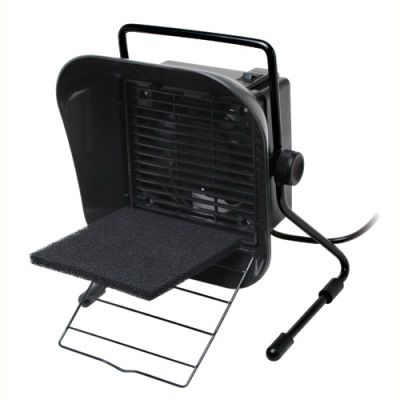
In large-scale soldering fume extraction systems, lead fume exhaust fans help collect and remove soldering fumes effectively. Smoke is sucked directly from the source, then guided through the treatment system before being discharged into the environment, ensuring no air pollution and protecting the health of workers.