What types of glasses are there?
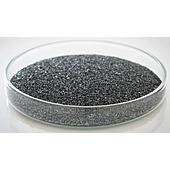
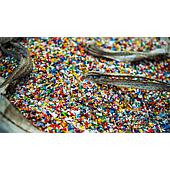
Before you start drilling glass, have a clear understanding of the type of glass you will be working with. Glass comes in many different types, and each type is suitable for specific applications. For example, quartz glass is often used to make jewelry and decorative items; Optical glass is used to make prisms and lenses; Tempered glass has good impact resistance, and industrial glass is widely used in production and daily life.
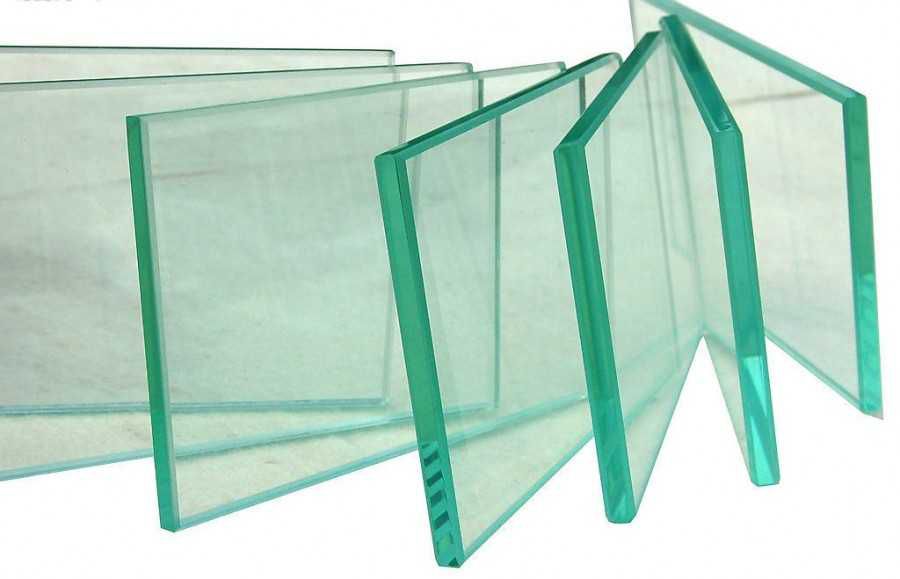
For common types of glass such as industrial glass (used to make wine bottles, aquariums, mirrors, glass tiles, etc.), you can use a glass drill, including rotary drill or impact drill. , to do the job. However, tempered glass cannot be drilled, cut or gouged directly due to its high impact resistance. If you try to drill, the drill bit will slip and could be dangerous.
The only way to make holes in tempered glass is to drill it while it is still normal glass, then heat it to turn it into tempered glass. This process can only be done in factories, it cannot be done at home.
Drill bit for drilling glass
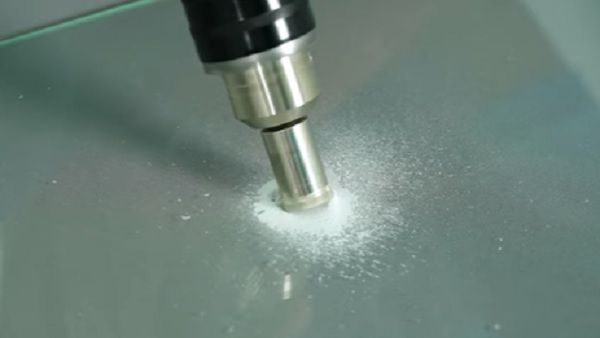
For the glass drilling process to be effective, you need to be equipped with a quality drill bit that is suitable for the type of glass you are working with. In addition, using glass cooling materials while drilling is also important to prevent the glass from breaking due to high temperatures.
There are several types of specialized drill bits for glass drilling as follows
- Spear or feather shaped drill bit, made from hard alloy, with diameters from 3 to 12 mm.
- Spear drill bits are coated with diamond dust to increase durability and sharpness.
- Tubular or round drill bit, used to cut circles or rings on glass surfaces.
- Brass glass drill bit, coated with diamonds.
- Specialized diamond drill bit, designed to process hard materials such as glass.
Instructions for drilling simple glass at home
Before starting to drill glass, you need to prepare some basic items as follows:
- Measuring scale with cm divisions to determine exact drilling position.
- Glass drill bit with a diameter of 41mm, suitable for making holes on glass surfaces.
- Hand drill to do the job.
- Coolant or water helps the drilling process go smoother, reducing dust and the risk of cracking the glass.
Here are the steps:
Step 1: Place the glasses on a soft surface such as cotton or a towel to fix them, avoid moving the glasses and limit direct impact on the hard surface below.
Step 2: Determine the position that needs to be drilled and use a pen to mark it to ensure accuracy.
Step 3: Dip the tip of the glass drill bit into water to cool, make sure the drill bit is wet before starting.
Step 4: Proceed to drill by placing the drill bit at a slight angle, then slowly adjust the drill bit perpendicular to the glass surface. During the drilling process, continuously use coolant or water to avoid overheating the glass, which can easily cause cracking.
You should not drill continuously but should pause, refill water or check the drill line to ensure safety and quality.
Be careful when drilling glass

Refer to a few rules shared by experienced aluminum and glass workers below:
- Always maintain the drill speed at the lowest level, similar to when drilling primer, to have good control and avoid causing glass cracking.
- When holding the drill, hand force should be kept to a minimum. Increasing the pressure does not help the process go faster, but on the contrary, it can cause cracks in the glass.
- After every 10-15 seconds of drilling, let the drill rest to cool both the tool and the drilling area.
- Always keep the drilling area moist, use water or cooling solution to protect the glass from high temperatures and reduce the risk of cracking.
Conclude:
Above are tips for safely drilling glass at home to ensure the glass does not crack that you can refer to. Hopefully these shares will benefit you and help you complete your work easily and effectively.