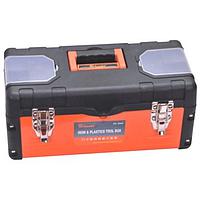
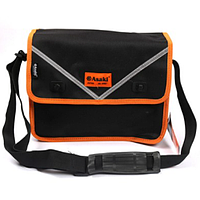
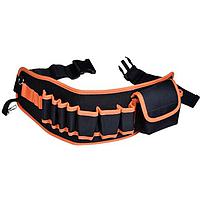
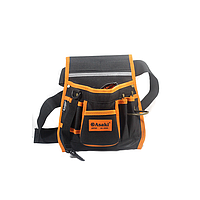
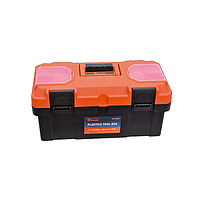
Carrying case
Protecting handheld instruments, service tools, and field accessories is often just as important as selecting the right device itself. In maintenance, inspection, commissioning, and mobile service work, a well-matched carrying case helps reduce transport damage, keeps essential accessories organized, and makes daily work more efficient when technicians move between panels, plants, and job sites.
This category brings together protective storage solutions for test and service equipment, from soft pouches and meter cases to heavy-duty transit cases, tool bags, and backpacks. Whether the goal is basic portability for a digital multimeter or more robust protection for sensitive instruments during travel, the right case supports both equipment lifespan and workflow on site.
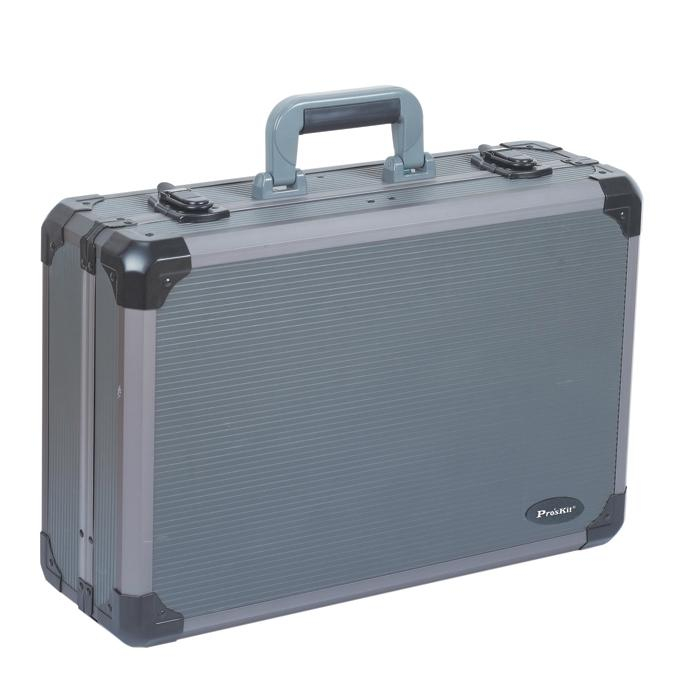
Why a carrying case matters in technical work
Portable instruments are frequently exposed to vibration, dust, moisture, impact, and repeated handling. A dedicated case helps shield the device from routine wear while also preventing lost leads, probes, chargers, manuals, and small accessories that are easy to misplace in service environments.
For B2B users, this is not only a convenience issue. Better storage can support asset protection, improve readiness for field deployment, and reduce downtime caused by damaged or incomplete tool kits. In many teams, the case becomes part of the standard setup for calibration, electrical troubleshooting, thermal inspection, or general maintenance activity.
Different carrying formats for different applications
Not every user needs the same level of protection. Soft carrying cases are typically suitable for day-to-day transport of handheld meters and compact test tools, especially when low weight and quick access are priorities. Examples in this category include solutions such as the FLUKE C25 Large Soft Carrying Case for digital multimeters, FLUKE C35 Soft Carrying Case, FLUKE C280 Soft Case, and the FLIR TA91 Rugged Carrying Pouch with Shoulder Strap.
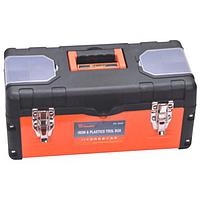
For harsher environments or transport conditions, rigid designs can be more appropriate. The TEKTRONIX 2-HC Transit Case and FLUKE CXT80 Extreme Case illustrate the role of more protective enclosures where impact resistance, sealed construction, or organized internal protection are important. These options are often considered when instruments are moved between facilities, carried in service vehicles, or stored in demanding industrial settings.
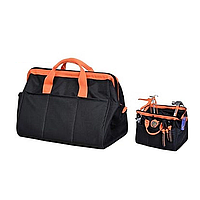
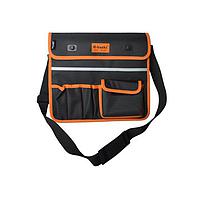
There are also broader storage formats designed for technicians who carry multiple tools at once. Products such as the FLUKE FlukePack30 Professional Tool Backpack, FLUKE C550 Tool bag, BOSCH 1600A012G2 Toolbox (17"), DEWALT 629053-00 Tool Bag, and SATA 95183 14" Portable Tool Bag fit workflows where transport capacity and compartment layout matter as much as equipment protection.
Common selection criteria before you buy
The first consideration is equipment fit. A compact meter case may work well for a handheld multimeter, while a larger bag or backpack is more suitable for technicians who need to carry several instruments and accessories together. Matching the internal space to the actual toolset helps avoid both poor protection and inefficient storage.
The second factor is the working environment. If the case will be used in workshops, indoor maintenance routes, or routine inspections, a soft pouch may be sufficient. If the application involves outdoor service, shared transport, or rougher handling, stronger shells, reinforced frames, or weather-resistant materials become more relevant.
Users should also think about organization and accessibility. Multiple pockets, dedicated compartments, shoulder straps, stackable designs, and comfortable handling features can make a noticeable difference for field teams. In practice, a case that is easy to open, carry, and repack often saves time every day.
Examples from leading instrument and tool brands
Several recognized brands are represented in this category, which makes it easier to align storage solutions with existing equipment fleets. FLUKE appears prominently with a range that covers compact meter cases, soft instrument bags, extreme protective cases, and technician backpacks. This is especially relevant for users already working with handheld electrical and process testing equipment from the same manufacturer.
TEKTRONIX contributes transit-style protection for equipment that may require more secure transport, while FLIR offers rugged pouch-style storage suited to portable instruments and accessories. In the broader tool transport segment, brands such as BOSCH, DEWALT, and SATA are also useful reference points for buyers looking beyond a single instrument case and toward a more complete mobile tool-carrying setup.
When to choose a meter case, pouch, bag, or backpack
A dedicated meter case is usually the right choice when one instrument is central to the job and needs basic physical protection during transport or storage. The FLUKE C50 Meter Case, for example, represents the kind of compact solution often used for handheld measurement devices that need to remain protected without adding unnecessary bulk.
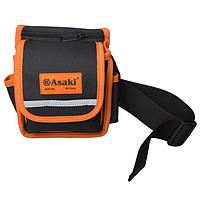
A pouch or soft case is often preferred when speed and portability matter most. These are common among technicians who frequently remove and return a tool during inspections. By contrast, tool bags and backpacks make more sense when the task includes multiple hand tools, test leads, spare components, and documentation.
For users building a complete mobile service kit, it can also be practical to combine categories. A technician may keep the primary instrument in its own case while carrying supporting hand tools in a separate repair kit or with a set of socket wrench tools, depending on the maintenance task.
Useful considerations for industrial procurement teams
For purchasing departments and maintenance managers, selection often goes beyond the individual product. Standardizing carrying solutions across teams can simplify tool issue processes, improve inventory consistency, and help protect higher-value instruments in shared-use environments. It can also support better storage discipline in field service fleets and maintenance workshops.
Another practical point is lifecycle thinking. Replacing or upgrading a carrying case can be a cost-effective way to extend the usability of existing test tools, especially when the instrument itself is still fully serviceable. In many industrial environments, a protective case is a small accessory compared with the operational cost of damaged equipment or missing accessories.
Choosing the right carrying case for your workflow
The best option depends on how the equipment is used, how often it is moved, and what level of protection is actually required. A compact soft case may be enough for routine handheld meter transport, while a transit case or reinforced tool bag may be more appropriate for frequent travel, harsh environments, or larger field kits.
This category is intended to help buyers compare storage formats for portable instruments and service tools in a practical way. By focusing on fit, protection level, carrying comfort, and accessory organization, you can select a carrying solution that supports safer transport and more efficient daily work without adding unnecessary complexity.
Get exclusive volume discounts, bulk pricing updates, and new product alerts delivered directly to your inbox.
By subscribing, you agree to our Terms of Service and Privacy Policy.
Direct access to our certified experts