For full functionality of this site it is necessary to enable JavaScript.
EMIN.COM.MM
0

What do you know about deadbolt pliers?

05/27/2025 14:53:50

Deadbolt pliers are metal hand tools, consisting of two beaks and two crossed pincers, capable of holding objects firmly. With a special design, this type of pliers is widely used in fields such as mechanics, industry, shipbuilding and many other technical fields. In this article, we will learn in detail about the structure, outstanding features and practical applications of deadbolt pliers in production and construction.

Basic structure of crimping pliers

The crimping pliers have a simple design with three main parts:

Handle: Usually made of stainless steel, the handle is designed to fit, easy to grip and has good heat and electrical insulation. Thanks to that, users can operate easily with just one hand, increasing flexibility when working. 
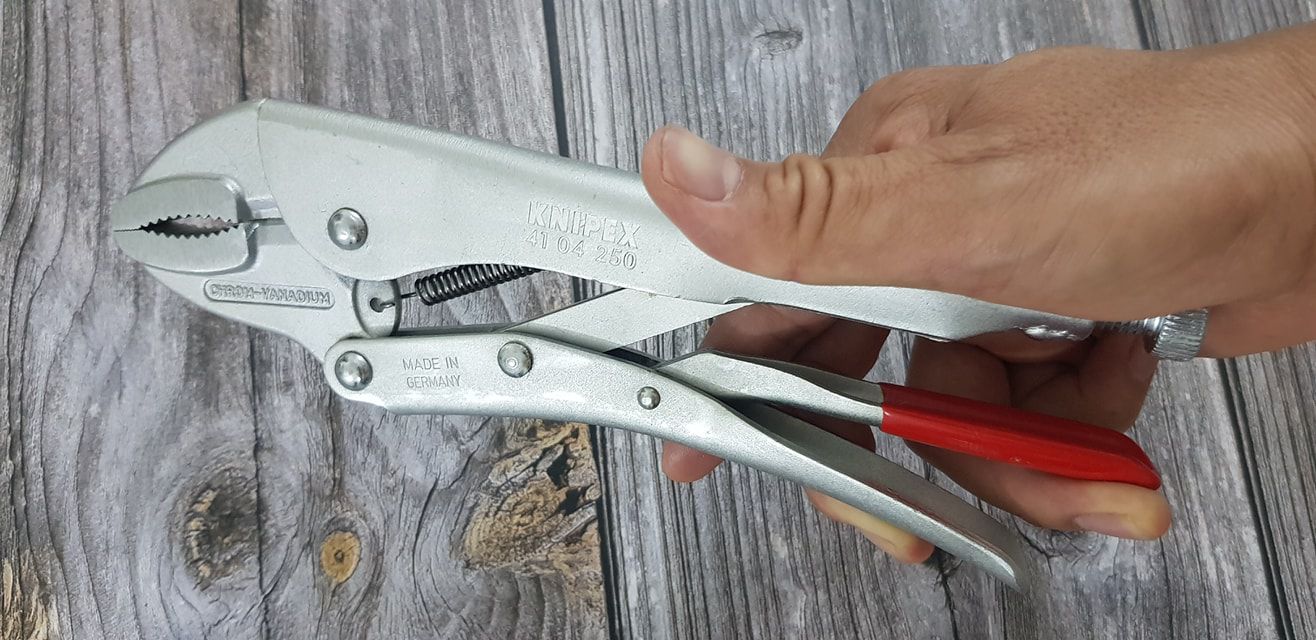
Clamp: This is the part that directly contacts the object to be clamped. The clamp is equipped with an adjustment button to suit the size of the object, and has a sturdy locking mechanism to hold the workpiece tightly. Currently, there are many different types of clamps such as semi-circular curved clamps (one side is curved, one side is straight), triangular beveled clamps, flat clamps or clamps with two curved points... Of which, the semi-circular curved clamp is the most popular thanks to its ability to flexibly adapt to many types of objects.

Pliers blade: The blade is designed with wavy serrated teeth, helping to increase grip when clamping and limit slipping during use.

Outstanding advantages of dead crimping pliers

In the toolkit of any craftsman, crimping pliers are almost an indispensable item. Although compact, this tool has many valuable advantages:

Crimp pliers are made from durable alloy steel, compact design, easy to hold and can be operated with just one hand. This makes repairing electrical, water or sanitary systems more flexible and convenient than ever.

Diverse in design, crimping pliers can adapt to many different types of workpieces - from round, flat to special details.

The clamping jaw can be flexibly adjusted according to each need, helping to hold details of different sizes, creating safety and precision when operating.

Practical applications of crimping pliers

Thanks to the ability to hold the object firmly, the worker can comfortably cut, press or edit with one hand without having to hold the object tightly.
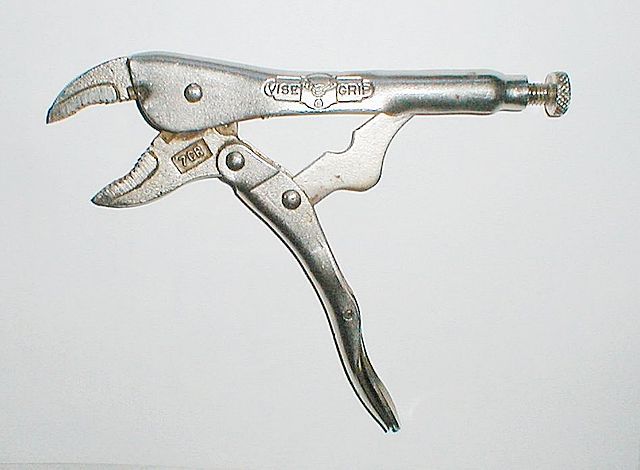
Easily clamp pipes, steel wires, round blanks of moderate size - all are locked firmly and securely.

Pliers can be used to hold the details when disassembling, or temporarily fix the parts to handle the next steps.

The dead clamp also maximizes its function when used to tighten, twist, twist, cut electric wires, thin steel wires or other small details.

Conclude:

Hopefully, the brief but practical sharing from EMIN has given you a clearer view of the uses and practical benefits of dead-end pliers. Thank you for watching!


Related News

What is the required TDS level for shrimp ponds?
06/12/2026 14:26:27

What is the ideal TDS level for a shrimp tank? Many people spend a lot of time monitoring pH, temperature, and filtration systems but overlook TDS. Only when shrimp grow slowly, their colors fade, they have difficulty molting, or die off sporadically do they start checking their water source and discover that this indicator has long been out of the right range

Signs that the electrodes in your TDS meter are degraded and need replacing
06/12/2026 11:43:51

TDS meters can operate reliably for many years, but the electrodes are the most subject to wear and tear. Each time a measurement is taken, the sensor surface comes into direct contact with water, dissolved minerals, and various other chemical components. This continuous process means the electrode's responsiveness gradually decreases over time.

Can metal detectors locate underground pipes and cables?
06/10/2026 19:17:37

Metal detectors operate on the principle of passive electromagnetic induction and can only detect isolated metal objects such as gold, copper, and iron. These devices cannot trace utility paths because they cannot differentiate the direction or depth of long, buried continuous pipes. For insulated electrical cables or plastic pipes, metal detectors are completely ineffective as there is no AC current to generate a magnetic field. Furthermore, the detection depth of standard consumer metal detectors is typically limited to 1 - 2 meters for small objects, whereas underground utility lines are often buried 3 - 5 meters deep or even more.

Stay Updated with Offers

Get exclusive volume discounts, bulk pricing updates, and new product alerts delivered directly to your inbox.

By subscribing, you agree to our Terms of Service and Privacy Policy.

Quick Support

Direct access to our certified experts