If you're only familiar with 220V household electricity, it's easy to get confused when encountering three-phase electricity. This article will cover the materials and operating principles to provide a clear comparison between the two types of electricity for easier understanding.
What is three-phase electricity, what voltage is it, and how does it work?
Three-phase electricity is a system consisting of three alternating currents with the same frequency and amplitude, but phase-shifted by 120 degrees. These three currents do not operate independently but combine cyclically, creating a nearly continuous power supply.
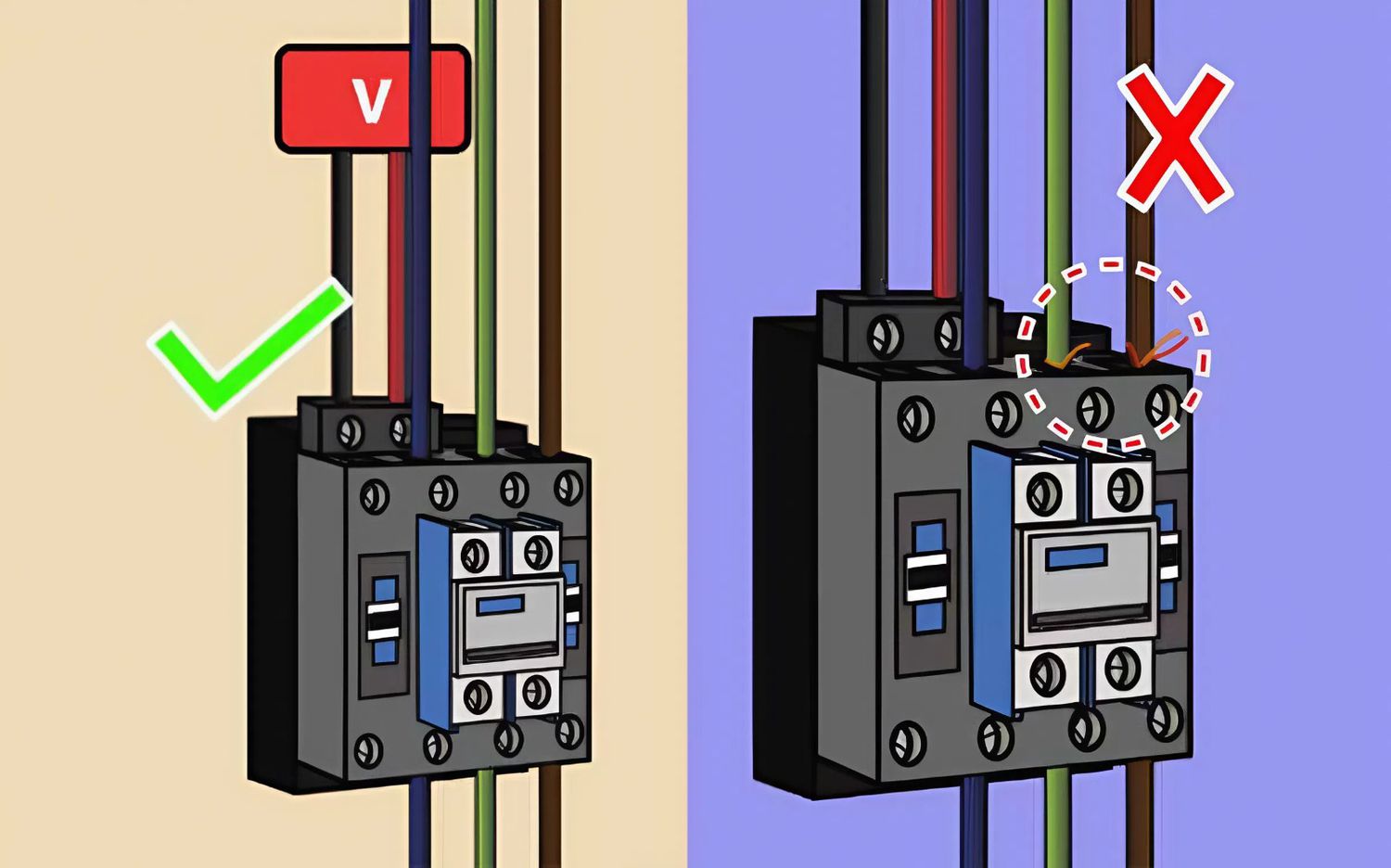
The key point is that when one phase drops, the other two remain at a high level, so the overall system is not interrupted. This is why three-phase electricity can power high-power devices while maintaining stability.
In practice, three-phase electricity is commonly used for motors, compressors, circuit breakers, or systems requiring continuous operation. When the load increases, the system maintains a stable rhythm, unlike single-phase electricity which experiences fluctuations. In Vietnam, three-phase electricity typically has two voltage levels. Between any two phase wires, the voltage is approximately 380V. Between a phase wire and the neutral wire, the voltage is approximately 220V.
Because both voltage levels are present, a three-phase electrical system can still provide 220V power for common appliances. This is why some places operate large machinery and supply electricity to residential areas from the same source.
Why is three-phase electricity 380V?
The 380V figure is not a random convention but is formed from the spatial offset of the three phases. When measuring the voltage between two phases, the value obtained is the result of the difference between the two alternating currents.
Because the three phases are offset by 120 degrees, the voltage between them is greater than the voltage of each individual phase. This value is calculated based on the geometric relationship of alternating current, thus creating a level of approximately 380V.
Thanks to this characteristic, three-phase electricity has better transmission capabilities, reduces voltage drop over long distances, and maintains stability when the load changes. This is why it is widely used in manufacturing instead of single-phase electricity.
What are single-phase and two-phase electricity and when are they used?
Single-phase electricity is a common household power source. It consists of a phase wire and a neutral wire, producing a voltage of approximately 220V.
This type of electricity is suitable for small and medium-power appliances such as lights, fans, televisions, refrigerators, or washing machines. Its advantages include ease of use, low cost, and suitability for daily living needs. However, when the load increases or power needs to be transmitted over long distances, single-phase electricity begins to show limitations. Voltage drops easily, current becomes unstable, and efficiency decreases significantly. Therefore, it is not suitable for high-power systems.
Two-phase electricity is a less common form. This system consists of two phase wires and does not use a neutral wire.
Both wires carry voltage, but one wire has a lower value, thus still producing a voltage difference. In principle, two-phase electricity can still power equipment, but because it does not offer a significant advantage over three-phase electricity, it is not widely used.
Currently, two-phase electricity is only found in some specialized systems or individual devices. Most users have virtually no contact with this type of electricity.
Comparing three types of electricity
If you place the three types of electricity side by side, the differences are quite clear.
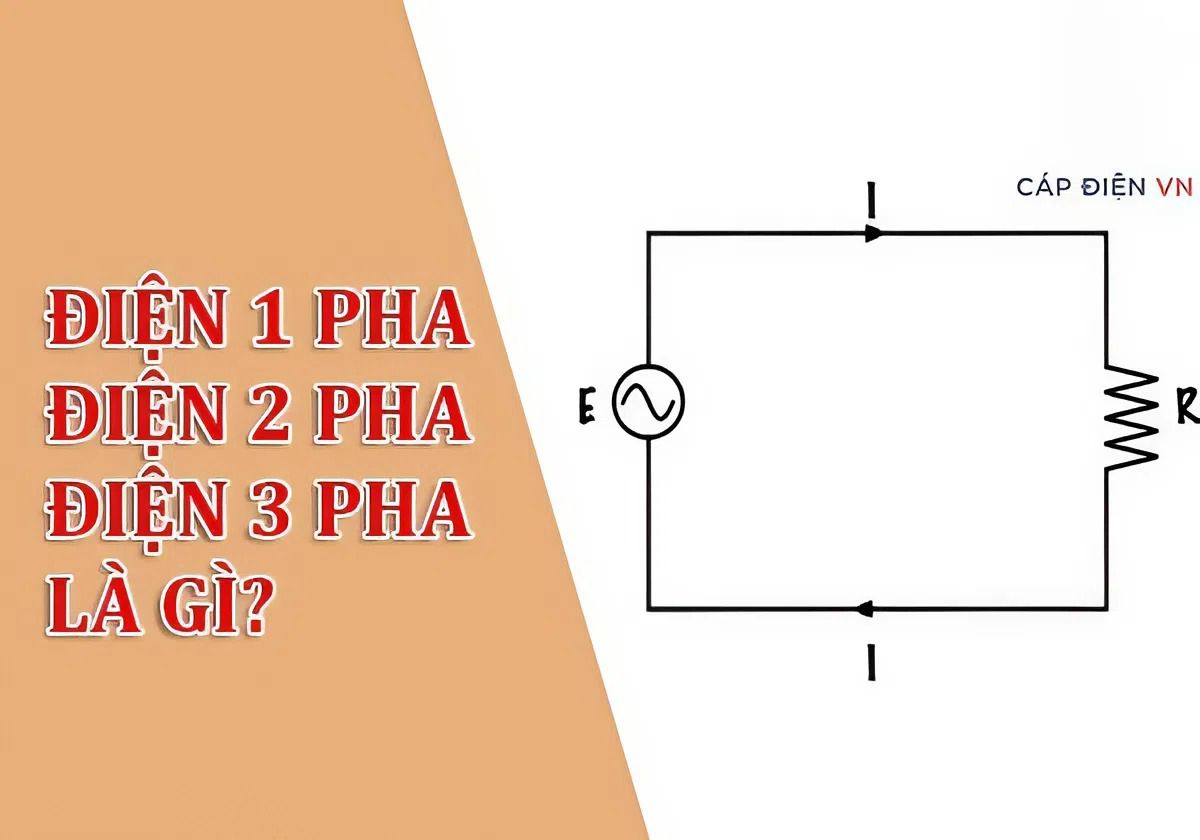
Single-phase electricity has a simple structure, consisting of only two wires, and is suitable for basic needs. As the load increases, stability decreases and voltage drops are common.
Two-phase electricity has two phase wires but no neutral wire. It has better load capacity than single-phase electricity, but it is less common, making it difficult to find suitable equipment.
Three-phase electricity has three phase wires and one neutral wire, allowing for high load capacity and stable current maintenance. When operating high-power equipment, three-phase electricity offers significantly better efficiency.
Simply put, the more phases a system has, the more stable it is and the better it can handle the load.
Can three-phase electricity be used for household purposes?
One of the frequently asked questions is that it is still possible to use it, but it's generally not a popular choice.
The main reasons are the high cost and the fact that it's not necessary for household appliances. Most families only need single-phase electricity.
If three-phase electricity is already available, it can still be used by taking one phase and connecting it to the neutral wire to create 220V. In this case, household appliances will still function normally as if using single-phase electricity.
Common situations encountered when using three-phase electricity
One common situation is the loss of the neutral wire. This can cause a voltage imbalance between the phases, leading to the equipment malfunctioning.
Another case is the loss of a single phase. When the system only has two phases, the motor often becomes noticeably weaker or unable to run. If this situation persists, it can damage the equipment.
These problems aren't always immediately apparent just from the outside.
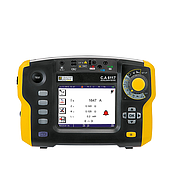
Some three-phase power quality recording devices, such as the Fluke 1738, allow simultaneous monitoring of voltage, current, power, and harmonics. This enables a clear view of the system's status at various times.