Plasma cutter safety means controlling five main hazards: hot metal and sparks, electrical exposure, arc light, fumes, and the gas supply system. Before cutting, prepare protective equipment, inspect the equipment and work area, and keep potential ignition sources away from the arc.
These precautions are relevant to plasma cutting work where molten metal and burning slag can leave the cut, the workpiece can become hot, and the torch may create sparks. Safe operation also depends on a dry work environment and suitable ventilation.
Summary: Wear flame-resistant personal protective equipment and protect eyes from arc light. Keep combustible materials at least 10 m from the work area. Check cables, torch components, and grounding before use. Control fumes and secure gas cylinders and hoses.

What personal protective equipment is needed for plasma cutting?
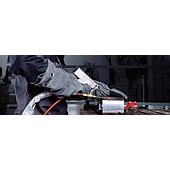
Operators should use eye protection or a protective face shield with appropriate lens filtering, along with flame-resistant clothing, gloves, and high-top footwear. This equipment helps limit exposure to heat, sparks, molten metal, and arc light.
Protective clothing and footwear may be made from flame-resistant materials such as denim or leather. Clothing should minimize front pockets, and lighters should not be carried in pockets while working.
- Inspect protective clothing, gloves, face protection, and eye protection before starting.
- Do not hold metal close to the cut area or an operating torch, because plasma heat can penetrate protective gloves.
- Never direct the arc toward yourself.
How can burns and fire risks be reduced during plasma cutting?
Keep combustible materials at least 10 m away from the work area to reduce their exposure to arc heat and flying slag. The workpiece, molten metal, and torch can all be sources of heat or sparks.
Do not cut sealed or pressurized containers without careful inspection, as they may contain flammable, explosive, or toxic substances. Plasma cutting should also not be carried out near gasoline, gas, or other flammable and explosive materials.
Why should grounding, cables, and the work area be checked before cutting?
Good grounding and an intact electrical system are essential because a plasma arc requires high voltage to operate. The supplied information identifies an arc-maintaining voltage range of 110–400 VDC; leakage at these levels can be dangerous.
| Item to check | Why it matters |
|---|---|
| Cables and grounding cables | Damaged or unsuitable connections can increase electrical risk. |
| Torch and its components | Faulty parts should be replaced before operation. |
| Work environment | Plasma cutting should not be performed in wet conditions. |
Some plasma torches are described as having automatic shutdown protection if the ceramic shield is missing or if the outer nozzle contacts the electrode. This feature does not replace pre-use inspection of the torch, cables, and grounding.
How should workers protect their eyes and skin from plasma arc light?
Unprotected, prolonged exposure to plasma arc light can burn the eyes and skin. Use a face shield or goggles with suitable dark filtering together with protective clothing, and verify that the equipment is in sound condition before work begins.
Protection should cover both direct exposure to the arc and the wider area where sparks, reflected light, and hot debris may occur. Keeping the arc pointed away from the operator is a basic operating precaution.
How can fumes and gases from plasma cutting be controlled?
Plasma cutting can produce fumes and gases that may cause health problems if inhaled. Work in a well-ventilated area, avoid positioning your face in the fume path, and use a respirator when available.
Metals with protective coatings require additional attention. The information provided specifically notes cadmium-coated materials and zinc-coated steel: their coatings should be cleaned before plasma cutting because they may generate toxic gases during the process.
Note: Ventilation and respiratory protection address airborne exposure, but they do not eliminate the need to prepare coated metal before cutting.
What should be checked immediately before operating a plasma cutter?
A practical pre-operation check covers protective equipment, combustible materials, the cutting area, electrical connections, torch condition, ventilation, and gas equipment. Confirm that the area is dry, the grounding cable is checked, and cylinders, hoses, and regulators are properly secured or undamaged.
This preparation brings the key controls together before the arc is started: protection from heat and light, separation from ignition sources, electrical inspection, fume control, and safe gas handling.
What gas-system precautions apply to plasma cutting equipment?Plasma metal cutter may use cleaned compressed air or inert gas stored in cylinders. Gas cylinders should be secured in a rack or on a trolley during use, and their protective caps should be firmly closed before they are moved.
If a regulator is damaged, replace it rather than attempting to repair its valves yourself. Use matched hoses and hose clamps instead of temporary substitutions, and route hoses off the ground where possible so they are less likely to be stepped on.