What is a bill printer?
Receipt printers (also known as bill printers) are used for compact printing, specifically for issuing invoices to customers after purchasing goods or using services. Printed invoices often contain complete information such as product name, quantity, unit price, and total payment, making it easy for customers to check and compare when needed.
A professional payment system not only includes a receipt printer but also comes with other support devices such as POS machines, USB connection cords, specialized printing paper and stable power supply..
Benefits of Receipt Printers in the F&B industry
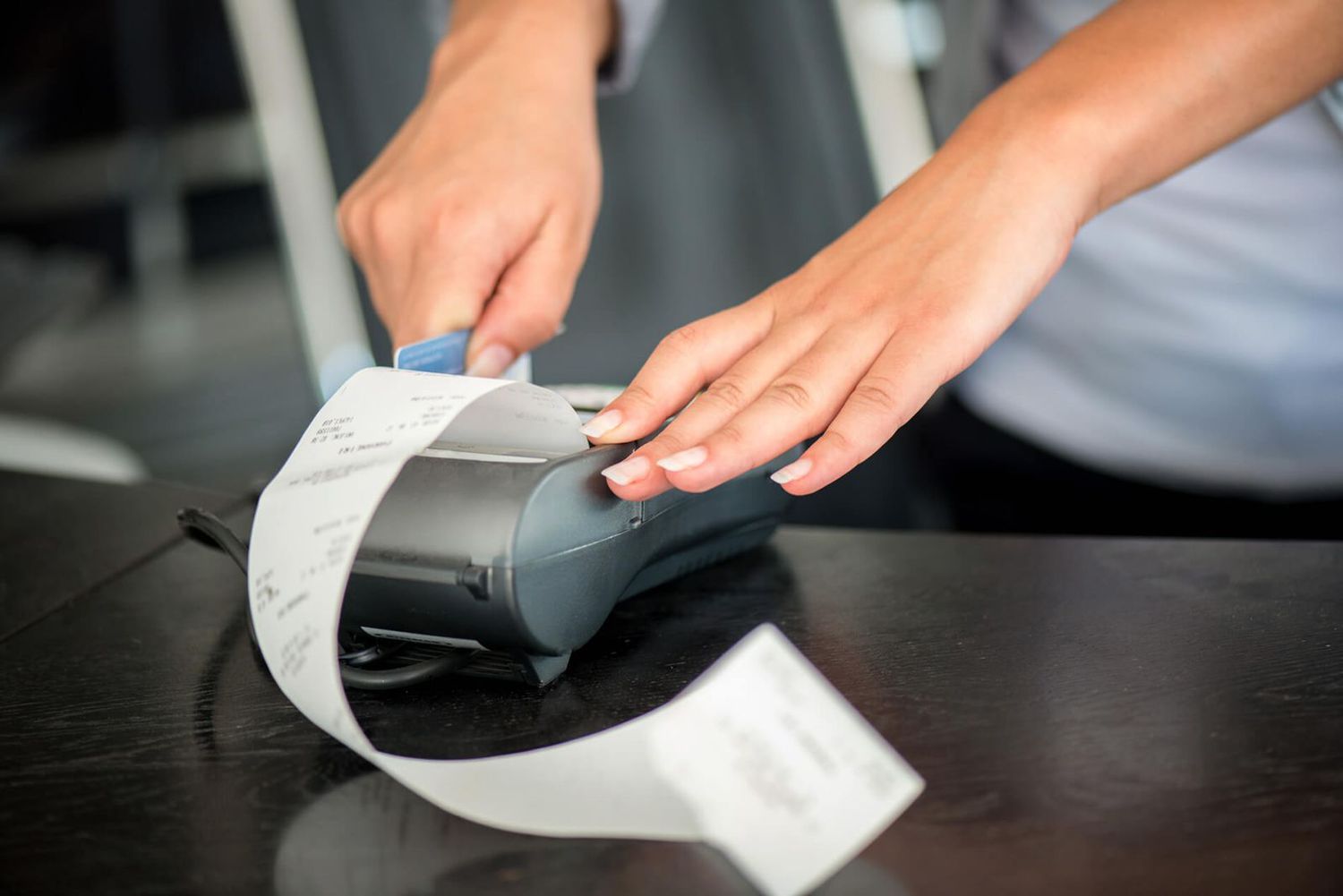
In the F&B industry, service speed and customer experience play an important role. A slow and unprofessional payment process can directly affect revenue and guest satisfaction. That's why receipt printers have become indispensable devices, helping cafes operate smoothly and minimizing the risk of errors.
Shorten payment time, avoid congestion during peak hours.
During busy hours, the faster the order processing speed, the more customers the restaurant can serve. The receipt printer helps automatically print the bill immediately after the cashier completes the transaction on the software, minimizing waiting time.
More professional in the eyes of customers:
It's not difficult to tell the difference between a shop that uses a bill printer and a cashier shop that still has to enter numbers manually, punch in a handheld computer and then take notes by hand.
Easy to operate, does not affect the restaurant space
Most coffee shops today prioritize using thermal printers because of their fast printing speed, no need to change ink, and especially work very well, without making unpleasant noise like dot matrix printers. Printed invoices are sharp and clear, making it easy for staff to compare and customers to check order information accurately.
A receipt printer, although small, brings significant improvements in the shop's operating procedures. Investing correctly from the beginning will help shop owners save time, improve work efficiency and most importantly create customer satisfaction.
You should use thermal printers or laser printers in your coffee business
Two popular types of printers today are thermal printers and laser printers. So which type is more suitable for the coffee business model?
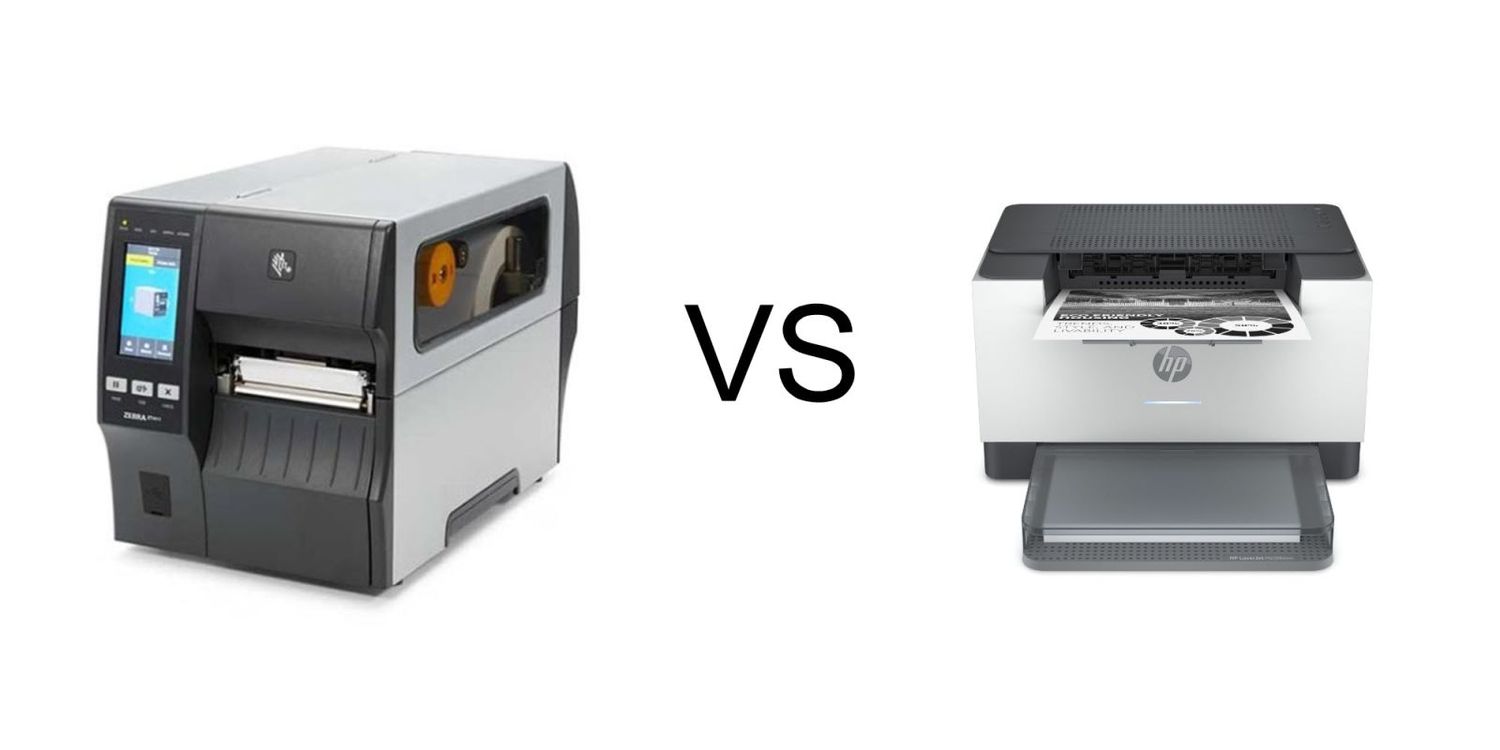
Thermal printers work by applying heat to thermal paper to create text or images. Highlights of thermal printers are:
- Fast printing speed: Without using ink, thermal printers can print invoices almost immediately, helping to reduce waiting time for customers.
- Low operating costs: No need to change ink, does not consume much electricity, helping to save significant long-term costs.
- Compact design: Thermal printers are often small in size, suitable for cashier counters with limited space.
- Low maintenance, easy to use: No need to change ink frequently, no loud noise when printing.
However, thermal printers have some disadvantages such as not having high durability and easily fading when exposed to high temperatures. But in the coffee business environment, where receipts often only need to be kept for a short time, this is not a big problem.
Laser printers use lasers to print ink on paper, providing sharp print quality and can refill ink many times. However, in the coffee shop model, laser printers encounter some limitations:
- High investment costs: The cost of laser printers is much higher than thermal printers, not suitable for simple invoice printing needs.
- Large, bulky size: Laser printers often have larger designs, taking up a lot of counter space.
- Long warm-up time: The machine needs time to warm up before printing, which is not optimal for quick receipt printing at a coffee shop.
- High operating costs: Must replace ink periodically, consumes more electricity than thermal printers.
So which type of machine should you choose?
Although laser printers have high print quality, with the need to print invoices quickly, cost-effectively and easily to use, thermal printers are still the optimal choice for coffee shops.
Thermal receipt printers are suitable for coffee shops
Below are some popular printer lines in coffee shops, ensuring fast, clear printing:
Gprinter 80250I thermal receipt printer
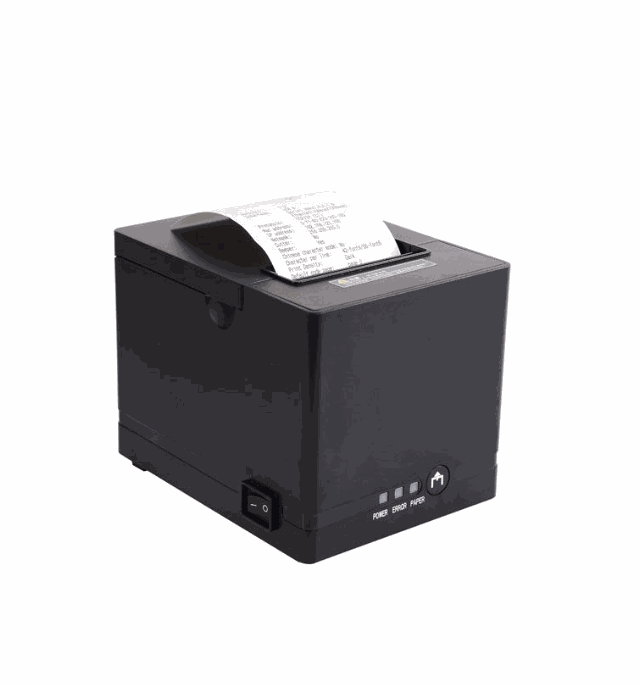
The Gprinter 80250I stands out with its fast printing speed, ensuring a smooth payment process even during peak hours. Compact design helps save cashier counter space, suitable for cafes with limited space. The machine supports 80mm paper size, allowing for clear and detailed invoice printing.
Receipt printer CAS DEP-50
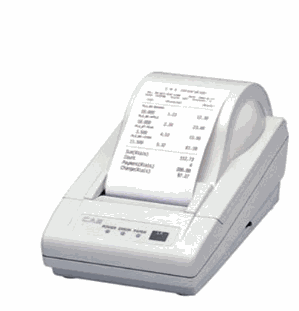
CAS DEP-50 is highly appreciated for its clear printing ability and easy connection to point-of-sale devices. With stable printing speed and durable design, this is the ideal choice for coffee shops that want to ensure print quality without investing too much in initial costs. The machine supports 80mm paper size and integrates popular connection ports such as USB and Ethernet.
Bixolon SRP-E302K/DEN thermal receipt printer
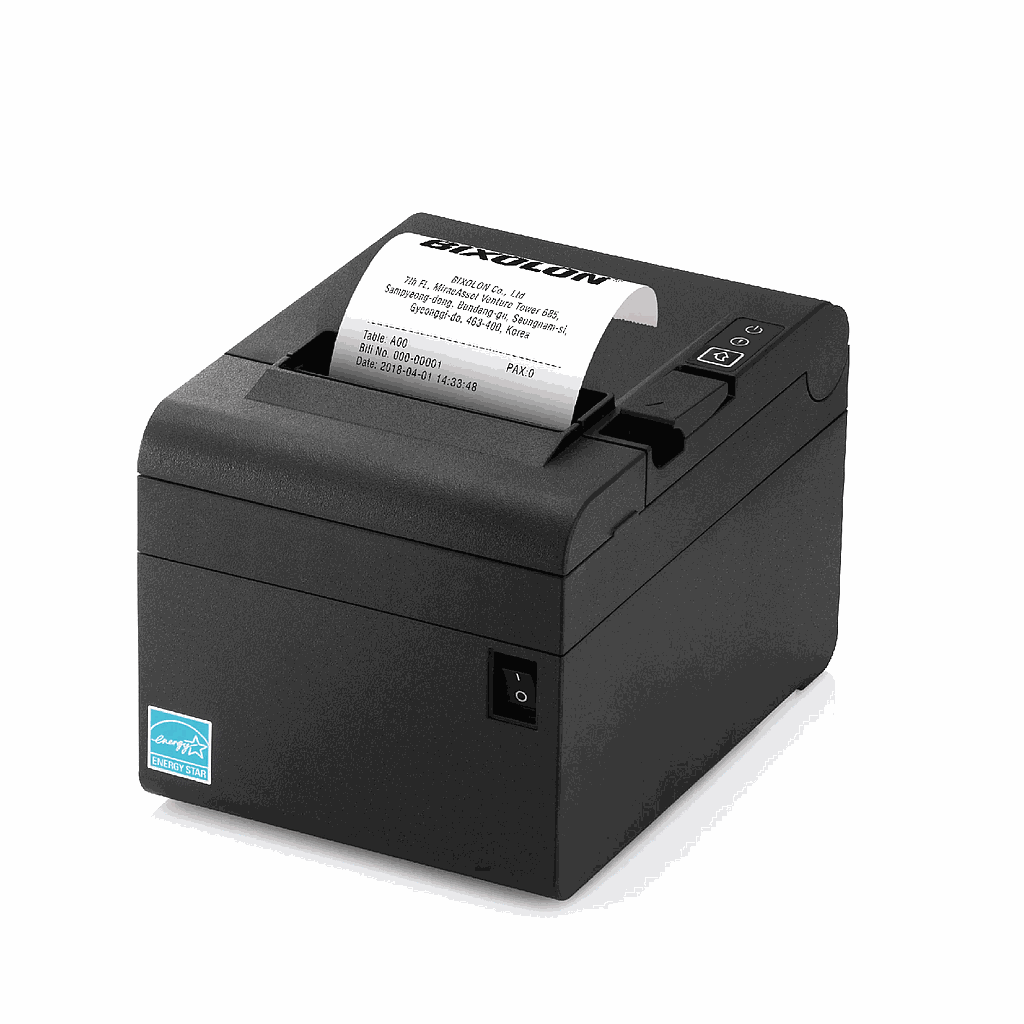
Bixolon SRP-E302K/DEN stands out with modern thermal printing technology, printing speed up to 220mm/s, helping the payment process take place quickly and effectively. 203dpi resolution ensures printed invoices are sharp and clear. The machine is highly durable, with a print head life of up to 150km and an automatic cutter that can last 1.5 million cuts. Compact design, supporting 80mm paper size and a variety of connection ports such as USB, Serial and Ethernet.