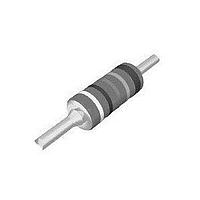
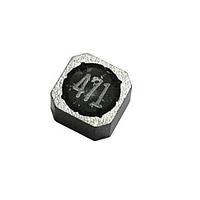
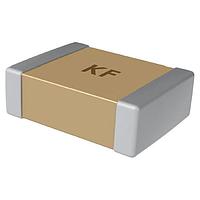
Passive Components
Reliable circuit design often starts with the components that do not amplify or switch, but instead shape, store, filter, sense, and stabilize electrical behavior. Passive Components play that foundational role across power electronics, signal paths, industrial controls, embedded systems, consumer devices, and maintenance workflows where dependable electrical performance matters.
From basic energy storage and resistance control to EMI suppression and frequency stability, this category brings together the parts engineers and buyers use to complete practical circuit functions. Whether you are sourcing for new product development, replacement stock, or production builds, the right passive device selection helps support consistency, safety, and long-term serviceability.
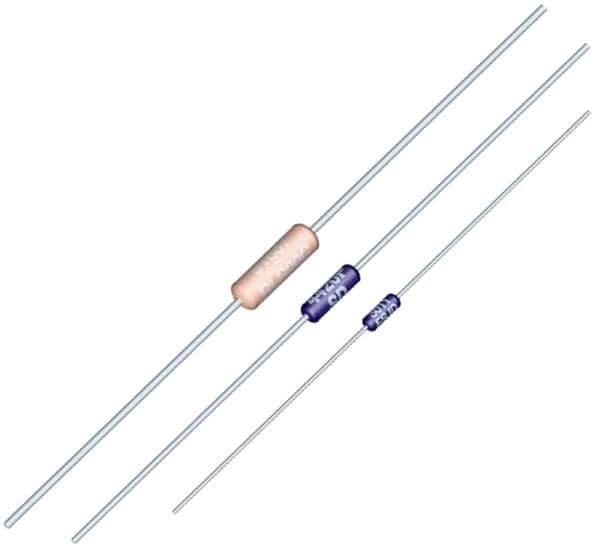
Core functions covered by passive components
Passive devices are essential wherever a circuit needs to manage voltage, current, impedance, timing, filtering, or electromagnetic noise without active gain. In real applications, they are used to smooth power rails, limit inrush conditions, tune signal response, suppress interference, and provide user-adjustable control points.
This makes the category relevant to a wide range of assemblies, from compact embedded boards to larger industrial equipment. Designers often select passive parts together with connectors, protection devices, and mechanical integration items to build complete and maintainable systems.
Typical product groups within this category
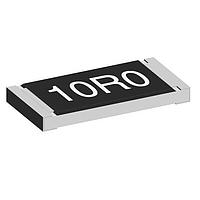
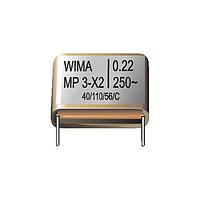
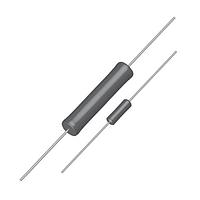
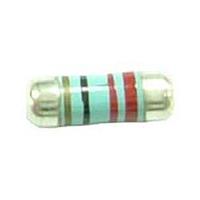
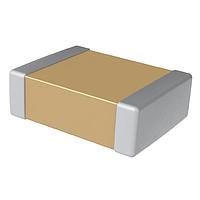
The scope of passive components is broad because different circuit tasks require different electrical behaviors. Common examples include capacitors for energy storage and decoupling, resistive elements for current limiting and voltage division, inductive parts for power conversion and filtering, and frequency devices for timing reference and synchronization.
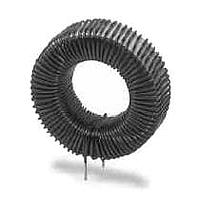
This category also supports more application-specific needs such as EMI suppression, ferrites, signal conditioning elements, transformers, coils, and adjustable devices like potentiometers, trimmers, and rheostats. These are especially useful when a design needs manual calibration, analog control, or fine tuning during production and servicing.
Adjustable resistive components for control and tuning
Within many electronic and electromechanical products, potentiometers, trimmers, and rheostats are used to provide controlled resistance changes. They can support front-panel adjustment, calibration, level setting, or variable control in user interfaces and equipment setup procedures.
Representative parts in this area include models from Alps Alpine, such as RK0972210-F20D35-C0C0-A502B104, RK1631210-F25-C1-B502-L, RK0972210-F30D35-C0C0-C103C502, RS15112-0420-C1-P1-W103, and RS20111-0A15-C0-P1-V204. These examples illustrate the kind of adjustable resistive components buyers may review when looking for form factor compatibility, mounting style fit, and suitable control behavior for HMI panels, audio-related adjustment, or equipment calibration.
For engineers comparing solutions, the most important selection factors usually include electrical range, mechanical actuation style, expected adjustment frequency, installation constraints, and environmental demands. In maintenance or retrofit work, dimensional compatibility and shaft or mounting details can be just as important as the nominal resistance value.
Filters and suppression elements in practical applications
Noise control is a recurring requirement in industrial and electronic systems, especially where switching power, motor drives, communication signals, or dense PCB layouts are involved. Passive filtering elements help reduce unwanted frequency content, improve signal integrity, and support compliance-oriented design practices.
Examples listed in this category include 3M BP140W1E and 3M BP140W1B, which appear under filters. Products like these are typically considered where the design calls for supporting elements in a broader filtering or protection strategy. If your build also requires coordinated protection planning, it is often useful to review related circuit protection options alongside passive filtering components.
How to choose passive components for B2B sourcing
For purchasing teams, selecting passive parts is not only about matching a basic electrical parameter. A dependable sourcing decision usually balances application fit, assembly requirements, lifecycle considerations, and the realities of inventory planning across prototype, pilot, and production stages.
Useful checkpoints include the operating function of the part, mounting and space constraints, whether the component is intended for fixed or adjustable use, and how it interacts with nearby parts in the circuit. In many builds, passive components are also chosen alongside kits and tools needed for assembly, rework, inspection, or field servicing.
When evaluating manufacturers, it is practical to start with suppliers already represented in your approved vendor framework. Brands such as 3M and Alps Alpine are often relevant here because they support different passive component needs across adjustment and filtering applications without forcing a one-size-fits-all approach.
Why passive components matter in system reliability
Although they are sometimes treated as supporting parts, passive devices directly affect signal quality, power stability, thermal behavior, and long-term operating consistency. A poorly matched capacitor, resistor network, filter element, or variable resistor can lead to drift, noise, unstable control behavior, or avoidable service interventions.
In industrial and embedded environments, these components also influence how well a design handles electrical transients, interference, and user interaction. Careful selection helps reduce troubleshooting time, supports repeatable production outcomes, and improves maintainability over the life of the equipment.
Working across the wider component ecosystem
Passive components rarely operate in isolation. In a finished assembly, they sit alongside interconnects, protection devices, power sources, and application-specific electronics to form a stable and usable system. That is why buyers often review neighboring categories during sourcing, especially when preparing a bill of materials for a new design or consolidating procurement for recurring builds.
If your project extends beyond passive devices, related product areas such as connectors, circuit protection, batteries, and other supporting components can help complete the overall design path. The goal is not simply to buy individual parts, but to build a component set that works together cleanly in production and in the field.
Find the right fit for your application
This category is intended to support practical selection across everyday electronic design and industrial procurement needs. Whether you are looking for adjustable resistive components, filter-related parts, or other essential passive building blocks, a structured review of function, mechanical fit, and sourcing continuity will usually lead to better outcomes than selecting on part type alone.
As requirements become more specific, it helps to compare representative products, check manufacturer fit, and align the component choice with the wider circuit and assembly context. That approach makes passive component selection more efficient, more reliable, and easier to scale from prototype to production.
Get exclusive volume discounts, bulk pricing updates, and new product alerts delivered directly to your inbox.
By subscribing, you agree to our Terms of Service and Privacy Policy.
Direct access to our certified experts