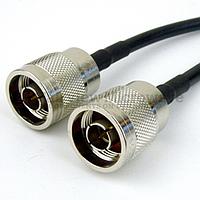
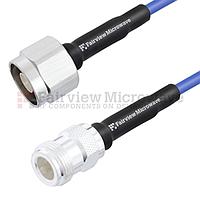
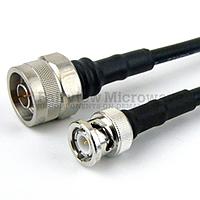
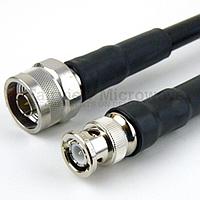
Wire & Cable
Reliable signal transmission and power delivery start with choosing the right interconnect medium. In electronics, industrial equipment, automation panels, and embedded systems, cable selection affects not only connectivity but also assembly time, durability, serviceability, and long-term system performance.
Wire & Cable products cover a broad range of needs, from single-conductor routing and grounding to pre-terminated assemblies designed for faster installation. Whether you are building a new system or replacing existing interconnects, the category is relevant wherever electrical continuity, signal integrity, and mechanical reliability matter.
Where this category fits in real projects
Wire and cable components are used across control cabinets, test setups, communication links, instrumentation, power distribution, and field wiring. The right choice depends on whether the application prioritizes flexibility, shielding, current carrying capability, connector integration, routing space, or resistance to environmental stress.
In many projects, this category works closely with related hardware such as connectors, because cable performance is only as good as the terminations and interfaces around it. For maintenance teams and production engineers, selecting a suitable cable format can also reduce installation errors and simplify replacement cycles.
Understanding the main selection logic
Buyers usually start with the function of the cable rather than with a brand or part number. A simple internal harness may require flexibility and clean routing, while a high-frequency path may need a coaxial structure to preserve signal quality. In other cases, a pre-built assembly helps shorten build time and improves consistency compared with on-site termination.
Key considerations often include conductor type, shielding needs, routing environment, cable length, connector style, and whether the assembly must support data, control, or power. For projects involving overcurrent risk or sensitive electronics, it is also practical to review adjacent protection needs such as circuit protection during the design stage.
Pre-terminated cable assemblies for faster integration
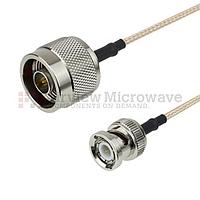
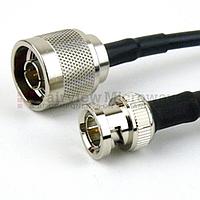
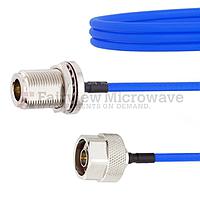
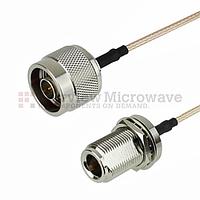
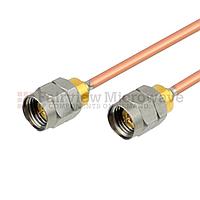
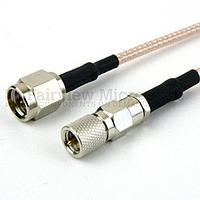
One of the most practical segments in this category is the cable assembly: a cable that already includes defined terminations for a specific interface or installation method. These products are useful when repeatability, reduced labor, and controlled connection quality are more important than building cables in-house.
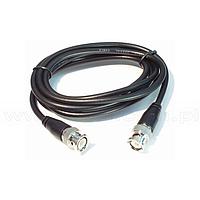
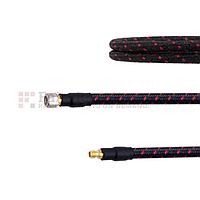
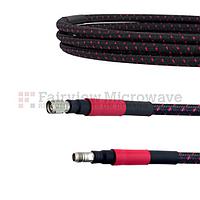
Examples in this range include the Amphenol Q-2403Y000H060i Coaxial Cable Assembly and the Amphenol Q-1T03S0003003M Coaxial Cable Assembly, both suited to applications where consistent coaxial connectivity is required. For broader system wiring, products such as the Amphenol GTC01LCFZ24-3SW-025-B30 Circular connector harness and Amphenol GTC01LCF24-21PX-025 Circular connector harness illustrate how integrated harnesses support organized installation in equipment that depends on robust connectorized links.
Coaxial, harness, and interface-specific solutions
Not all cables serve the same electrical purpose. Coaxial cable assemblies are commonly selected for controlled impedance and improved shielding in signal paths where noise management matters. By contrast, circular connector harnesses are often chosen for structured multi-point connections, especially where equipment needs a secure and repeatable mating interface.
Interface-specific products can also support device communication and service access. The Advanced Energy 3920030 Connection cable (RS485, 2m) is a good example of a purpose-built link intended for RS485 communication, where reliable data exchange and straightforward connectivity are central to the application. In practical procurement, this kind of product is often preferred when the required interface and length are already defined.
Brands commonly considered in this category
Manufacturer preference often depends on the type of assembly, connector ecosystem, and project documentation requirements. Within this category, Amphenol stands out in the listed range through multiple coaxial and circular connector harness options, making it relevant for projects that need connector-driven cable solutions rather than raw cable alone.
3M also appears in the category with products such as the 9V4-S6L-VAT-3.00 QDD ASSY Other Cable Assembly. This reflects a broader use case where specialized assemblies support defined interface requirements or OEM integration needs. In B2B purchasing, these manufacturer-backed assemblies can be helpful when consistency across builds is more important than custom field fabrication.
How to choose the right wire or cable format
A practical way to narrow options is to begin with installation context. If the cable must be routed through moving sections or tight cabinet spaces, flexibility and bend behavior become important. If the application handles sensitive signals, shielding strategy and connector continuity should be reviewed together. If speed of deployment is the priority, a finished assembly may be more efficient than sourcing cable and terminations separately.
It is also useful to separate one-time prototyping needs from repeat production needs. For development work, a more general-purpose cable can be acceptable, while production environments often benefit from standardized assemblies that reduce variability. Teams evaluating broader component availability may also compare adjacent sourcing options under other components when planning complete builds.
Why wire and cable choices affect long-term maintenance
Interconnect issues are a common source of downtime, intermittent faults, and difficult troubleshooting. A cable that matches the electrical and mechanical demands of the application can improve service life and simplify replacement planning. This is especially true for systems exposed to vibration, repeated mating cycles, or dense cable routing.
Choosing the right format from the start also supports cleaner documentation and easier spare-part management. When a project uses clearly specified assemblies such as a defined coaxial lead or a circular connector harness, maintenance teams can replace parts more accurately and reduce the risk of mismatch during service.
Finding the right fit for your application
This category supports a wide span of electrical interconnection tasks, from basic routing needs to application-specific assemblies. The best choice usually depends on signal type, installation method, connector requirements, and whether the project values custom flexibility or ready-to-install consistency.
If you are comparing options within Wire & Cable, it helps to focus on the actual operating environment and interface requirements first, then review suitable assemblies and manufacturers that align with that use case. That approach leads to cleaner integration, easier maintenance, and a more reliable electrical system overall.
Get exclusive volume discounts, bulk pricing updates, and new product alerts delivered directly to your inbox.
By subscribing, you agree to our Terms of Service and Privacy Policy.
Direct access to our certified experts