For full functionality of this site it is necessary to enable JavaScript.
EMIN.COM.MM
0

What temperature should a refrigerated container be kept at? What temperatures are important to know when operating refrigerated goods?

04/15/2026 15:05:28

In the transportation of temperature-sensitive goods such as food or pharmaceuticals, setting and maintaining the correct temperature is essential. Even short-term temperature deviations can alter the quality of the shipment and cause financial losses.

The mechanism for maintaining the temperature of a refrigerated container

Refrigerated containers maintain temperature using a refrigeration system combined with an insulated shell. Once the operator sets the parameters, the system operates to keep this temperature stable throughout the journey.

Temperature stability is more important than cooling speed. The exact temperature at the time of final inspection does not reflect whether the temperature will fluctuate during transit.

Temperature ranges applicable to each product group
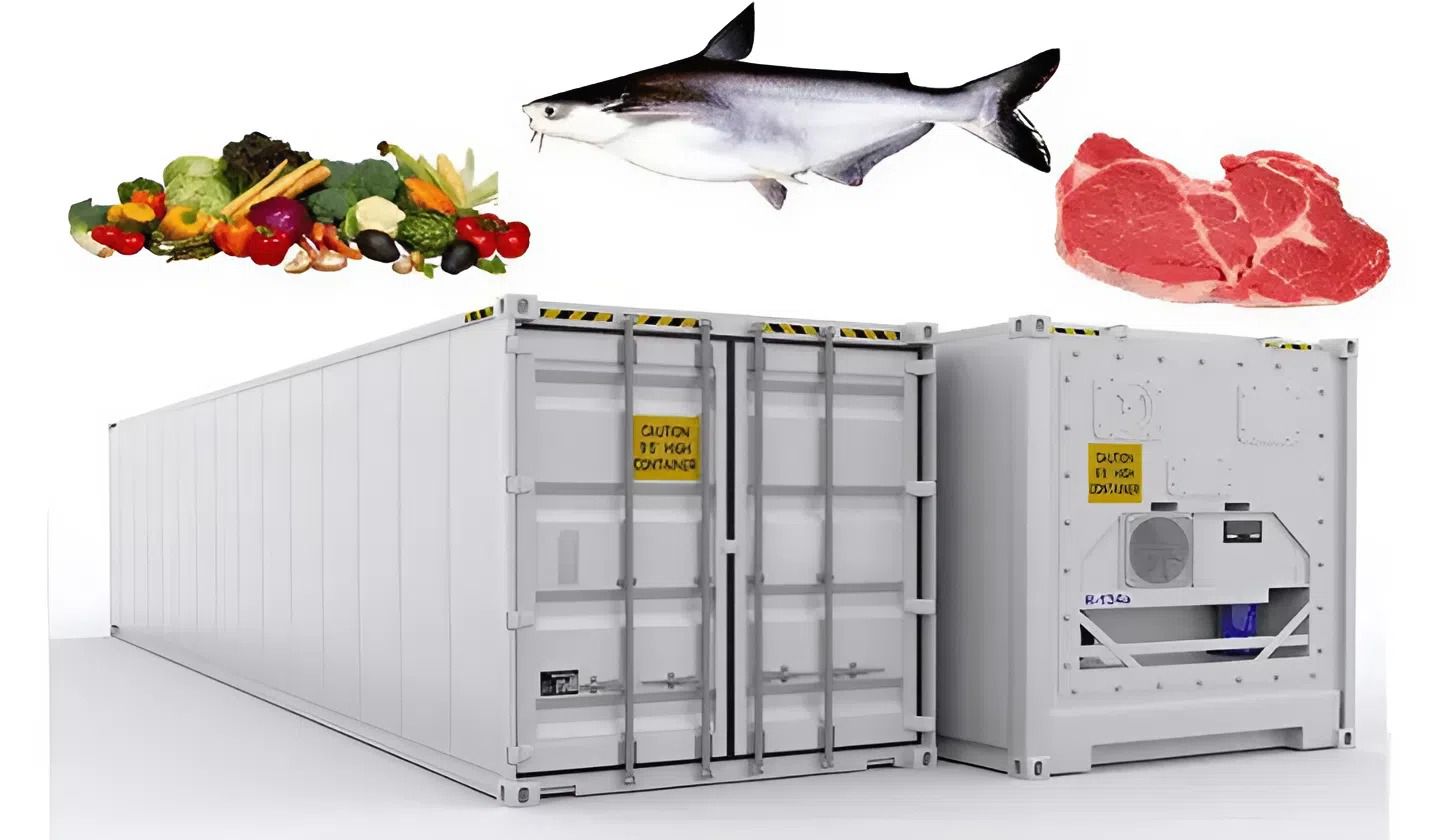
Based on the characteristics of the goods, carriers need to set the following temperatures:

- Deep freezing (-20°C to -30°C): Typically used for seafood or long-term food storage. This category requires constant temperature maintenance with no room for error.

- Medium freezing (-10°C to -20°C): Applicable to processed foods and packaged meats. Temperature changes in this range are difficult to detect with the naked eye, so monitoring equipment is necessary.

- Refrigerated goods and pharmaceuticals (2°C to 8°C): This is a narrow temperature range. The system needs to operate precisely to avoid excessively high or low temperatures that could damage the properties of medications or the freshness of food.

- Specialized goods: Test samples or chemicals may require a wider temperature range, from very low temperatures to high temperatures.

Read more related articles: Is imported frozen meat good? Tips for choosing clean food for your family.

Sharing some methods for monitoring temperature

Temperature readings at both the receiving and delivery ends are only momentary; to ensure quality, shipping companies need continuous data throughout the journey to determine if temperatures exceed acceptable limits at any point and for how long. Automated data logging devices replace manual checks and provide accurate reports. EMIN's supporting equipment assists in monitoring container temperature.

- Elitech RCW-800W-THE: The device supports remote monitoring via WiFi connection. Managers can view data on their phones and receive notifications when the temperature exceeds the set level.

- Elitech RC-5+: This compact USB device is specifically designed to record data for each shipment. After the journey is complete, the device is plugged into a computer to generate a report.

The temperature of a refrigerated container depends entirely on the specific type of goods. Continuous temperature control is the only way to ensure product quality. EMIN provides suitable temperature monitoring equipment solutions for containers and cold storage. Contact us directly for advice on the model that best suits your temperature range and specific needs.

Related News

How to Measure Paint Thickness on Drywall Reliably
09/18/2026 10:13:53

A drywall coating thickness gauge helps evaluate coating uniformity and monitor the application process. This guide provides an overview of measuring dry film thickness on drywall using ultrasonic measurement, including how to interpret the results, handle rough surfaces, and measure areas containing joint compound.

Powder Coating Thickness Measurement: Methods and Tools
09/18/2026 10:12:11

A powder coating thickness gauge is a specialized instrument used to measure the thickness of powder coating on metal or non-metal surfaces, helping ensure coating quality and durability while minimizing material consumption. Measuring powder coating thickness at the right stage and using the appropriate measurement principle helps maintain coating quality, reduce rework, and optimize the finishing process.

Coating Adhesion Test Methods for Reliable Inspection
09/18/2026 10:10:46

A coating adhesion tester is an essential instrument for evaluating the quality of paints, varnishes, and protective coating systems. The coating must bond sufficiently well to the substrate or underlying coating layer to minimize peeling during use. Depending on the substrate material, coating system structure, test conditions, and evaluation objectives, operators can select from several adhesion test methods, including knife, tape, pull-off, and scratch tests.

Ultrasonic Coating Thickness Measurement on Wood
09/18/2026 10:06:58

A practical overview of ultrasonic coating thickness measurement for wood and wood products, including operating principles, measurement considerations, and process-control benefits.

Screen Printing Thickness Measurement Guide
09/18/2026 10:05:45

The PosiTector 6000 FS1 is a non-destructive coating thickness gauge that enables the monitoring of mesh, emulsion, stencil, and dried ink thicknesses in the screen printing process.

Stay Updated with Offers

Get exclusive volume discounts, bulk pricing updates, and new product alerts delivered directly to your inbox.

By subscribing, you agree to our Terms of Service and Privacy Policy.

Quick Support

Direct access to our certified experts