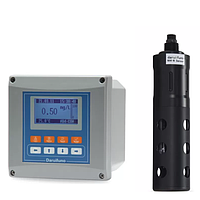
Ammonium controler
Reliable ammonium measurement is important wherever water quality affects process stability, discharge compliance, or biological treatment performance. In wastewater plants, aquaculture systems, utility water loops, and industrial process water applications, accurate monitoring helps operators respond earlier to changing conditions instead of relying only on periodic lab testing.
Ammonium controler solutions are used to track ammonia or ammonium-related values in water and support better control decisions. Depending on the application, these instruments may be integrated into broader water quality monitoring systems to give operators a more complete view of treatment efficiency, dosing response, and overall water condition.
Where ammonium monitoring is commonly used
Ammonium control is relevant in applications where nitrogen compounds influence treatment performance, environmental discharge, or product quality. This includes municipal and industrial wastewater treatment, recirculating aquaculture, environmental water monitoring, and process water systems that need more stable and predictable operating conditions.
In biological treatment, ammonium values can indicate how effectively nitrification is progressing and whether aeration or process loading needs adjustment. In industrial settings, continuous measurement can also support troubleshooting when water chemistry shifts and begins affecting downstream equipment or treatment stages.
How this category fits into a water analysis setup
An ammonium control point is rarely evaluated in isolation. It is often part of a larger instrumentation framework that may include pH, dissolved oxygen, conductivity, resistivity, or organic load monitoring, depending on the process. Bringing these signals together allows operators to understand not only the measured value itself, but also the process conditions behind it.
For that reason, many users reviewing this category also compare related instruments such as DO controllers for biological treatment optimization or COD and BOD monitoring devices when broader wastewater performance indicators are required. This category is most useful when selected in the context of the full measurement chain, including sensor compatibility, controller input type, and installation environment.
Sensor compatibility and measurement conditions
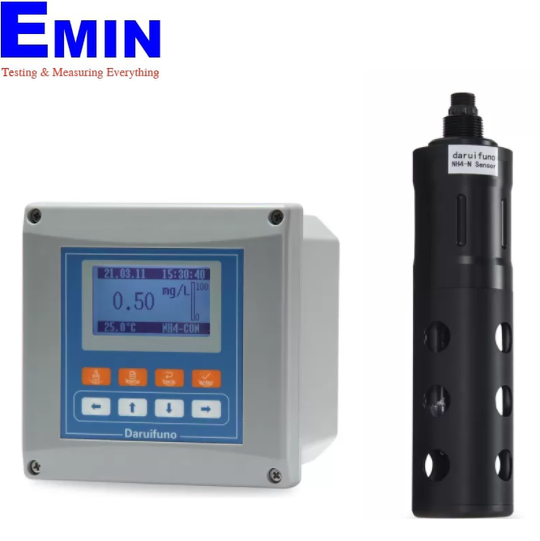
When choosing an ammonium monitoring solution, one of the most important considerations is the sensing principle and the operating conditions around it. Water chemistry, pH range, temperature behavior, and installation method can all affect measurement stability. That is why buyers typically evaluate both the controller and the matching sensor as a working pair rather than as separate items.
A representative product in this category is the Jumo 201040 ammonia sensitive sensor, designed for low-level ammonia measurement with a specified pH operating range. This makes it suitable as an example of how sensor selection depends on the actual medium and process conditions. If your process requires manufacturer-specific integration, exploring the Jumo product range can help clarify available options for compatible measurement components.
What to look for when selecting an ammonium controller
The right device depends on how the measured value will be used in the plant. Some installations need continuous indication and alarm handling, while others use the measurement as an input for process control, data logging, or supervisory systems. In either case, users should confirm measurement range suitability, response stability, maintenance needs, and whether the instrument will be installed in a panel, skid, or field environment.
It is also useful to review practical questions early: What sample conditions are expected? Will the measurement be exposed to fouling or variable pH? Does the controller need analog or digital communication to connect with the existing control system? A strong selection process focuses on application fit, not only on the headline measurement range.
Integration with broader treatment and dosing strategies
Ammonium measurement often supports operational decisions rather than acting as a standalone readout. In treatment processes, the signal may be used to verify nitrification performance, optimize aeration, or detect process upset before quality problems become more severe. In agriculture or water reuse applications, it may also be relevant alongside nutrient and dosing control strategies.
Where nutrient management is part of the process, related systems such as a fertigation control system may also be relevant. The exact combination depends on whether the user is controlling treatment, irrigation, recirculation, or discharge quality, but the common requirement is the same: dependable measurement that supports actionable decisions.
Maintenance and long-term performance
Like other analytical instruments used in water applications, ammonium monitoring equipment performs best when maintenance planning is considered from the start. Sensor cleaning intervals, calibration practice, sample quality, and replacement cycles all influence long-term reliability. Systems operating in contaminated or variable water often need a more disciplined maintenance routine than cleaner utility-water applications.
It is also important to assess accessibility during installation. A controller may offer useful diagnostic capability, but if the sensor is mounted in a location that is difficult to inspect or service, the practical value of the system can be reduced. For long-term use, maintainability is just as important as measurement performance.
Choosing the right solution for your process
This category is best approached by starting with the process objective: compliance monitoring, treatment optimization, alarm generation, or integration into a larger control architecture. From there, it becomes easier to compare sensor type, controller functions, mounting approach, and compatibility with the rest of the instrumentation package.
If your application involves changing water chemistry or multiple critical parameters, selecting an ammonium monitoring setup as part of a broader water quality control strategy usually leads to better results than evaluating a single device in isolation. A well-matched combination of controller and sensor can improve visibility, shorten response time, and support more stable operation across the full treatment process.
For buyers comparing options in this category, the most effective approach is to align the device with the real process conditions, service requirements, and integration needs of the site. That makes the selected ammonium monitoring solution more useful in daily operation and more sustainable over the long term.
Get exclusive volume discounts, bulk pricing updates, and new product alerts delivered directly to your inbox.
By subscribing, you agree to our Terms of Service and Privacy Policy.
Direct access to our certified experts