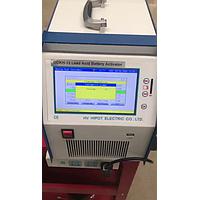
Battery Tester Calibration Service
Reliable battery measurements depend on more than a good instrument. In maintenance programs, incoming inspection, backup power management, and production testing, even a small drift in a tester can affect pass/fail decisions, trending data, and replacement planning. That is why Battery Tester Calibration Service is an important part of keeping electrical and electronic measurement equipment trustworthy in day-to-day operation.
This service category is intended for users who need calibration support for battery testers, battery capacity testers, and related battery analysis instruments used across industrial and technical environments. Whether the equipment is used for routine checks on standby batteries or for more detailed performance evaluation, proper calibration helps maintain measurement confidence, traceability, and consistency over time.
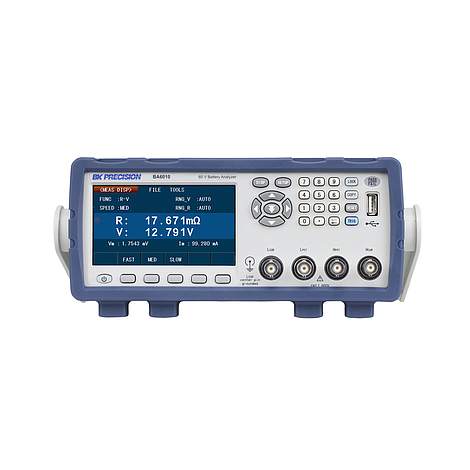
Why battery tester calibration matters
Battery test instruments are often used to assess condition, internal performance behavior, and service readiness of battery systems. In practice, these readings can influence maintenance intervals, replacement decisions, and acceptance criteria. When the instrument itself is out of calibration, the risk is not only incorrect measurement, but also poor maintenance decisions based on that data.
Calibration helps verify that the tester measures within expected performance parameters under controlled conditions. For organizations managing UPS systems, telecom backup power, industrial batteries, portable equipment, or service fleets, this supports more reliable documentation and more consistent comparisons between assets tested at different times.
Typical instruments covered in this category
This category focuses on calibration services for battery-focused measuring devices rather than general-purpose electrical meters. That can include handheld battery testers, battery capacity testers, and battery quality analyzers used in field service, maintenance, laboratories, and technical inspection workflows.
Examples in this category include services such as the HIOKI Battery Tester Calibration Service, FLUKE Battery Tester Calibration Service, EXTECH Battery Capacity Tester Calibration Service, and the GW INSTEK Battery Meter Calibration Service. It also covers specialized entries such as the PROTEK Battery Quality Analyzer Calibration Service and the Chauvin Arnoux Battery Capacity Tester Calibration Service, reflecting the range of instruments used for battery diagnostics and condition assessment.
Supported brands and service scope
Many technical teams work with established measurement brands, and calibration support needs to match the installed instrument base. This category includes services associated with manufacturers such as HIOKI, FLUKE, Chauvin Arnoux, KEYSIGHT, BKPRECISION, EXTECH, GW INSTEK, PCE, PROTEK, and SBS.
The exact calibration workflow may vary by instrument type, measurement function, and operating range, but the purpose remains the same: to confirm that the tester performs appropriately for its intended use. For battery maintenance teams, this is especially relevant when instruments are used repeatedly for trend-based diagnostics, where stable and repeatable readings are essential.
Where calibrated battery testers are commonly used
Battery testing appears in many industrial and commercial settings. Common examples include preventive maintenance for backup power systems, battery room inspections, service checks for telecom installations, and condition monitoring in facilities that depend on uninterrupted power. Calibration is also relevant in workshops, service centers, and quality environments where battery-related instruments are used as part of inspection procedures.
In these applications, a calibrated tester supports better comparison between historical data and current readings. That becomes particularly useful when teams need to identify gradual deterioration rather than only obvious failures. A battery tester that measures consistently can contribute to clearer maintenance records and more defensible technical decisions.
How to choose the right calibration service
When selecting a service, the first consideration is the instrument type. A battery tester, a battery capacity tester, and a battery quality analyzer may serve related purposes, but they are not always calibrated in the same way. Matching the service to the actual device and its intended measurement function is the most important starting point.
It is also useful to consider brand compatibility and the operating role of the instrument. For example, organizations using KEYSIGHT, BKPRECISION, or SBS units may need calibration aligned with their internal maintenance intervals or quality procedures. If your testing workflow also involves other electrical measurement instruments, related categories such as multimeters calibration service or clamp meter calibration service may also be relevant for broader instrument control.
Calibration as part of a wider instrument management process
Battery tester calibration is usually most effective when managed as part of a structured equipment program. In many organizations, battery instruments are only one part of the overall electrical measurement toolkit, alongside multimeters, clamp meters, installation testers, and other diagnostic equipment. Bringing these devices into a planned calibration schedule helps reduce gaps in measurement reliability across teams and sites.
A well-managed calibration process can also support internal audits, maintenance traceability, and standardization between technicians. This is particularly important when several instruments are used on the same asset class, or when readings from battery testers are compared with values gathered using other meters in the same workflow.
Representative services in this category
To illustrate the scope of this category, representative services include the GW INSTEK Battery Meter Calibration Service, HIOKI Battery Tester Calibration Service, EXTECH Battery Capacity Tester Calibration Service, Chauvin Arnoux Battery Capacity Tester Calibration Service, PROTEK Battery Quality Analyzer Calibration Service, PCE Battery Tester Calibration Service PCE, and KEYSIGHT Battery Tester Calibration Service. These examples show that the category supports a range of battery measurement equipment rather than a single instrument style.
Because battery-related testing can involve different measurement approaches, choosing a service based on the exact device model and testing purpose is recommended. This helps ensure the calibration request is aligned with how the instrument is actually used in maintenance, inspection, or quality control.
Conclusion
When battery condition data is used to support maintenance planning or technical acceptance, the quality of the measuring instrument matters. Battery tester calibration service helps maintain confidence in readings, improves consistency across repeated tests, and supports better control of battery-related inspection work.
If your team works with battery testers from HIOKI, FLUKE, EXTECH, Chauvin Arnoux, KEYSIGHT, GW INSTEK, or other supported brands in this category, selecting the appropriate calibration service is a practical step toward more dependable measurement results and a stronger instrument management routine.
Get exclusive volume discounts, bulk pricing updates, and new product alerts delivered directly to your inbox.
By subscribing, you agree to our Terms of Service and Privacy Policy.
Direct access to our certified experts