Electric Datalogger Calibration Service
Reliable trend data depends on more than the datalogger itself. In power monitoring, electrical maintenance, process validation, and field diagnostics, a logger that drifts out of tolerance can lead to misleading records, failed audits, or incorrect decisions based on long-term measurements. That is why Electric Datalogger Calibration Service is an important part of keeping measurement systems dependable over time.
This category is intended for organizations that use electrical dataloggers to capture voltage, current, and related signals in industrial, laboratory, utility, and building environments. Whether the instrument is used for periodic verification, preventive maintenance, or quality documentation, calibration helps confirm that recorded values remain aligned with expected performance.
Why calibration matters for electrical dataloggers
Electrical dataloggers are often deployed for extended periods, sometimes in demanding conditions where temperature changes, transport, handling, and regular use can affect measurement stability. Because these instruments are designed to capture data over time, even a small deviation can influence the overall interpretation of trends, load profiles, or event history.
A proper calibration service helps verify the logger’s measurement behavior against known references. This is especially relevant when dataloggers are used in maintenance programs, compliance workflows, troubleshooting tasks, or process records where traceable and repeatable results are expected.
Typical use cases for this service
Electric datalogger calibration is commonly required in facilities that monitor power quality, electrical consumption, machine operation, environmental control systems, or distributed test points across production lines. Service teams and maintenance departments also rely on calibrated loggers when investigating intermittent faults or confirming the performance of installed equipment over time.
In B2B environments, calibration is often scheduled as part of broader instrument control. Companies that already manage related equipment such as multimeter calibration services may also include dataloggers in the same periodic quality cycle to maintain consistency across their measurement assets.
What is typically checked during the calibration process
The exact procedure depends on the logger type and measured electrical parameters, but the main goal is to assess how accurately the instrument records input signals across its intended operating range. For electrical dataloggers, this often involves verifying response at defined points and checking whether stored or displayed values remain within acceptable limits.
Calibration may also support evaluation of overall measurement integrity for systems used in diagnostics, validation, and maintenance reporting. When a company uses multiple electrical test instruments together, it is useful to align calibration planning with adjacent services such as clamp meter calibration or other electrical measurement categories where comparable traceability expectations apply.
Supported brands and service examples
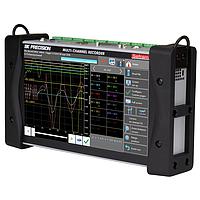
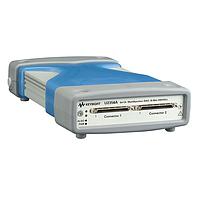
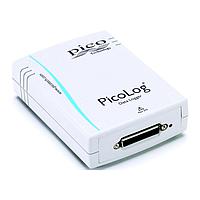
This category includes service options for instruments from widely used manufacturers in the electrical measurement field. Examples available here include services for HIOKI, YOKOGAWA, KEYSIGHT, PICO, Chauvin Arnoux, EXTECH, BKPRECISION, skSATO, and HT.
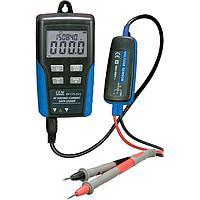
Representative listings include HIOKI Electric Datalogger Calibration Service, YOKOGAWA Electric Datalogger Calibration Service, EXTECH Current Datalogger Calibration Service, Chauvin Arnoux Electric Datalogger Calibration Service, PICO Electric Datalogger Calibration Service, and KEYSIGHT Electric Datalogger Calibration Service. These examples help illustrate brand coverage within the category without implying that every logger follows the same calibration scope or procedure.
How to choose the right calibration service
When selecting a service, the most practical starting point is the instrument brand and logger type. Dataloggers can differ in channel configuration, measured quantities, intended applications, and operating interfaces, so matching the service to the actual device is essential. If your installed base includes equipment from YOKOGAWA or other major manufacturers, using a clearly matched service listing can simplify procurement and maintenance planning.
It is also helpful to consider how the logger is used in practice. A unit dedicated to internal trend observation may be managed differently from one used in customer reporting, regulated processes, or acceptance testing. Review your calibration interval, documentation needs, and measurement criticality before placing the order, especially if the datalogger is part of a larger inspection or validation workflow.
Who benefits from regular electric datalogger calibration
This service is relevant for maintenance contractors, industrial plants, panel builders, utilities, laboratories, OEM service teams, and facility operators that depend on recorded electrical data. It is equally useful for quality departments that maintain controlled instrument inventories and need to demonstrate that tools used in testing or monitoring are periodically verified.
Regular calibration supports measurement confidence, helps reduce uncertainty in long-term recordings, and makes it easier to compare results across different jobs, sites, or time periods. For organizations that also work with installation test equipment, complementary services such as multifunction electrical installations meter calibration service can be relevant within the same asset management program.
Planning calibration within an instrument management workflow
In many companies, dataloggers are not standalone tools. They are part of a broader ecosystem that may include multimeters, clamp meters, phase indicators, and other electrical measuring devices. Managing these instruments with a defined calibration schedule can improve equipment availability, reduce unplanned service gaps, and support more consistent maintenance records.
A structured approach usually includes identifying critical instruments, assigning service intervals, recording calibration history, and reviewing usage conditions that may justify earlier recalibration. This is particularly important for portable loggers that move frequently between sites or are exposed to harsh field environments.
Find the appropriate service for your datalogger fleet
If your team relies on electrical loggers for monitoring, diagnostics, or documented measurement tasks, choosing the right electric datalogger calibration service helps protect data quality and supports day-to-day technical decision-making. The services in this category are organized to help buyers identify suitable brand-specific options for their installed instruments.
For procurement, maintenance, and quality teams, a well-planned calibration program is a practical way to keep electrical measurement equipment reliable across its service life. Browse the available service listings in this category to match your datalogger brand and maintain a more controlled, traceable measurement process.
Get exclusive volume discounts, bulk pricing updates, and new product alerts delivered directly to your inbox.
By subscribing, you agree to our Terms of Service and Privacy Policy.
Direct access to our certified experts