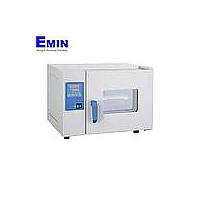
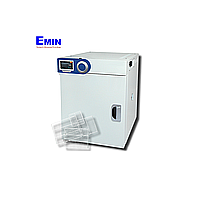
Incubator Calibration Service
Stable temperature conditions are essential in microbiology, cell culture, pharmaceutical storage, and many other controlled laboratory processes. When an incubator drifts from its setpoint or shows uneven chamber conditions, test results can become less reliable, routine checks become harder to trust, and compliance documentation may no longer reflect actual operating performance. That is why Incubator Calibration Service plays an important role in day-to-day laboratory quality control.
This category covers calibration support for laboratory incubators used in regulated and research environments. Whether the goal is routine verification, preventive quality assurance, or troubleshooting suspected temperature deviation, a well-executed calibration service helps confirm that the equipment is operating within the expected range and supports more consistent lab processes.
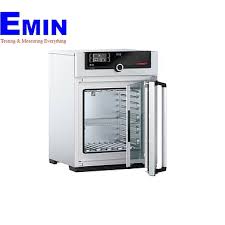
Why incubator calibration matters in laboratory work
Incubators are used where temperature stability directly affects samples, media, cultures, and storage conditions. Even small deviations can influence growth rates, incubation timing, reproducibility, or the interpretation of test outcomes. Calibration helps verify the relationship between the displayed value and the actual chamber condition, making it easier to identify offset, drift, or non-uniformity.
For many laboratories, calibration is also part of a broader equipment quality program. It supports internal SOPs, maintenance planning, audit readiness, and traceable performance records. In workflows where multiple controlled devices are used together, users may also review related services such as water bath calibration service to maintain consistency across thermal equipment.
What is typically evaluated during an incubator calibration service
An incubator calibration service generally focuses on the thermal performance of the unit under defined operating conditions. The main objective is to verify whether the chamber reaches and maintains the intended temperature and whether the displayed reading corresponds reasonably to measured values. Depending on laboratory requirements, the service may also support checks related to stability and temperature distribution.
In practical terms, users often want to understand whether the unit is suitable for the process it supports, not just whether it powers on. A proper calibration approach helps reveal whether the incubator is performing in a way that aligns with documented procedures, sample sensitivity, and routine operating setpoints. This is particularly relevant in laboratories that also depend on controlled devices such as pharmacy refrigerators calibration service for temperature-sensitive materials.
Support for multiple incubator brands and laboratory setups
This category includes calibration service options for many commonly used laboratory incubator brands. Examples available here include service coverage for Binder, Hettich, JEIOtech, MEMMERT, Yamato, DaiHan, SH Scientific, Lauda, Benchmark, and CRYSTE equipment. The value of a brand-specific service listing is that it helps buyers quickly identify relevant support based on the incubator already installed in their lab.
Representative service items in this category include Binder Incubator Calibration Service, Hettich Incubator Calibration Service, JEIOTECH Incubator Calibration Service, MEMMERT Incubator Calibration Service, and Yamato Incubator Calibration Service. These product entries are useful reference points for laboratories that need a straightforward path to calibration planning for installed equipment from specific manufacturers.
How to choose the right calibration service
The right service choice depends on how the incubator is used, how often it operates, and how critical the process is. A research lab running routine sample incubation may prioritize periodic verification and documented performance checks, while a regulated environment may require tighter service intervals, more formal reporting, and closer alignment with internal quality procedures.
It is also helpful to consider the surrounding equipment ecosystem. If your lab operates several controlled-environment devices, it may be efficient to review adjacent service categories at the same time. For example, facilities with contamination-controlled workflows may also need biosafety cabinet calibration service as part of a broader validation and maintenance schedule.
Typical use cases for incubator calibration
Incubator calibration is commonly requested in laboratories where temperature exposure must be consistent over time. This includes microbiology labs, clinical and pharmaceutical environments, research facilities, academic labs, and industrial quality control settings. In each case, the underlying requirement is similar: confidence that the chamber condition matches the intended process parameter.
Calibration may be especially useful after relocation, repair, prolonged continuous use, suspected temperature drift, or before internal and external audits. It is also relevant when comparing performance across multiple units in the same facility, especially when standardized protocols require more consistent thermal conditions from one incubator to another.
Brand-specific service references in this category
For buyers searching by installed equipment brand, this category includes clearly named service entries such as DaiHan Incubator Calibration Service, SH Scientific Incubator Calibration Service, Lauda Incubator Calibration Service, Benchmark Incubator Calibration Service, and CRYSTE Incubator Calibration Service. These references help narrow down options without forcing the reader to scan unrelated equipment categories.
Where brand alignment is part of the purchasing workflow, it may also be useful to review manufacturer pages such as MEMMERT for broader equipment context. This can help laboratories that manage mixed fleets or need to align calibration planning with the specific brands already used in their thermal process environment.
Keeping laboratory equipment performance aligned over time
Calibration is most effective when treated as part of an ongoing equipment management process rather than a one-time event. Periodic review helps identify trends in performance, supports preventive maintenance decisions, and reduces the risk of unnoticed deviation affecting stored samples or incubation-dependent procedures. For laboratories using multiple specialized instruments, consistent review of calibration needs across categories can simplify planning and documentation.
Choosing the right service scope starts with understanding the incubator’s role in your workflow, the level of temperature control required, and the reporting expectations of your quality system. With the right calibration support, laboratories can maintain better confidence in incubator performance and make more informed decisions about maintenance, verification, and long-term equipment reliability.
Get exclusive volume discounts, bulk pricing updates, and new product alerts delivered directly to your inbox.
By subscribing, you agree to our Terms of Service and Privacy Policy.
Direct access to our certified experts