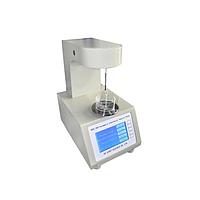
Surface Determination Tension Meter Calibration Service
Accurate surface tension measurement matters when laboratories need reliable data for liquid behavior, material evaluation, coating performance, cleaning validation, or formulation control. Even small drift in a tension meter can affect repeatability, comparison between batches, and confidence in test results. A professional Surface Determination Tension Meter Calibration Service helps keep the instrument aligned with expected measurement performance and supports more consistent laboratory workflows.
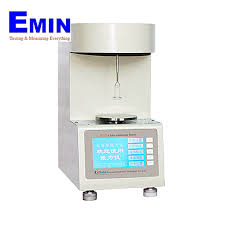
Why calibration is important for surface tension measurement
Surface determination tension meters are used in test environments where precision is essential. When the instrument is part of quality control, research, or routine laboratory analysis, calibration helps verify that readings remain dependable over time and that the device is still suitable for its intended use.
Regular calibration is also important for traceability, internal quality systems, and maintenance planning. In many labs, this service is scheduled alongside other controlled equipment checks such as water bath calibration service to maintain a stable and well-documented testing environment.
What this calibration service typically supports
A calibration service for this type of laboratory equipment is intended to assess measurement performance, identify deviation, and help users determine whether the instrument is operating within acceptable limits for their process. The exact calibration approach may vary depending on the instrument design, usage condition, and laboratory procedures.
In practice, the service is relevant for laboratories that work with liquids, surfactants, coatings, chemicals, research materials, and process samples where surface tension or related liquid-property behavior influences testing outcomes. Calibration can also be part of a broader preventive maintenance strategy rather than a response only when problems appear.
When to consider recalibration
Recalibration is commonly considered on a scheduled basis, but there are also practical signs that a tension meter should be checked sooner. These include unstable readings, results that no longer match historical trends, doubts after relocation, or concerns following intensive use. If the instrument supports regulated or validated workflows, a defined service interval is often the safer approach.
Labs that manage multiple controlled instruments often benefit from coordinating service windows across equipment types. For example, organizations with environmental control and sample handling requirements may also review related services such as pharmacy refrigerators calibration to keep critical devices on a consistent maintenance schedule.
Service options across supported manufacturers
This category includes calibration support for instruments associated with several recognized brands in this segment, including KVTESTER, Laryee, HV HIPOT, Acore, and Wuhan. Brand-specific service references in this category help users quickly find relevant options without treating every model or manufacturer exactly the same.
Examples listed here include the KVTESTER Surface Determination Tension Meter Calibration Service, Laryee Surface Determination Tension Meter Calibration Service, HV HIPOT Surface Determination Tension Meter Calibration Service, Acore Surface Determination Tension Meter Calibration Service, and Wuhan Surface Determination Tension Meter Calibration Service. These references are useful for navigation and selection, especially when purchasing departments or lab teams prefer service options aligned with the installed equipment brand.
How to choose the right calibration service
Choosing the right service starts with understanding how the instrument is used in your workflow. Consider whether the meter is used for routine quality checks, R&D evaluation, comparative testing, or controlled documentation. The more critical the measurement is to release decisions or technical reporting, the more important it becomes to maintain a clear and repeatable calibration plan.
It is also helpful to review the instrument brand, service history, operating frequency, and any internal documentation requirements before ordering. If your laboratory maintains a wider calibration program, it may make sense to align this service with other lab assets such as biosafety cabinet calibration service where equipment control and compliance documentation are managed together.
Where this service fits in a laboratory quality system
Calibration is not only about correcting a single instrument. It also supports a broader quality assurance framework by reducing measurement uncertainty in day-to-day operation and improving confidence in generated data. For laboratories that compare results over time or across sites, equipment consistency becomes especially important.
Within a structured lab environment, surface tension meter calibration often sits alongside preventive checks, service records, instrument labeling, and scheduled review of critical equipment. This allows technical teams to spot trends earlier and plan interventions before measurement problems begin affecting work quality or turnaround time.
Related laboratory calibration needs
Many laboratories that require this service also manage other application-specific instruments that need periodic verification. Depending on the work performed, calibration planning may extend to thermal equipment, safety cabinets, storage systems, or sample preparation devices.
For laboratories with broader equipment maintenance requirements, related categories such as rotary evaporator calibration service can help support a more complete service schedule across the laboratory. Reviewing related calibration categories can simplify procurement and improve lifecycle management of test equipment.
Supporting reliable results over time
A dependable tension meter is an important part of obtaining consistent laboratory data, especially when results are used for comparison, validation, or routine process control. With the right calibration interval and service selection, laboratories can reduce uncertainty, improve operational confidence, and keep essential measuring equipment in better working order.
If you are selecting a service for a specific installed brand or aligning multiple instruments under one maintenance plan, this category provides a practical starting point for finding the appropriate surface determination tension meter calibration support.
Get exclusive volume discounts, bulk pricing updates, and new product alerts delivered directly to your inbox.
By subscribing, you agree to our Terms of Service and Privacy Policy.
Direct access to our certified experts