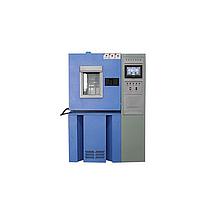
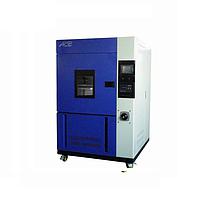
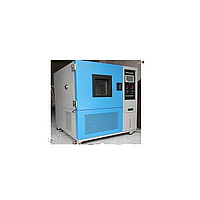
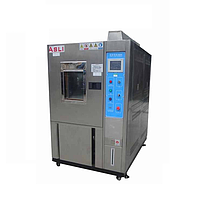
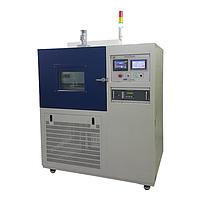
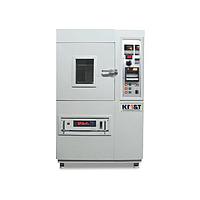
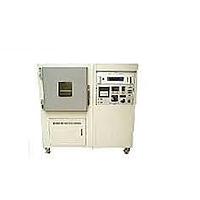
Ozone Aging Test Chamber Calibration Service
Reliable ozone exposure testing depends on more than the chamber itself. When rubber, elastomers, seals, cables, and other materials are evaluated for cracking resistance or aging behavior, even small deviations in ozone concentration, temperature, humidity, or timing can affect the validity of the test. That is why Ozone Aging Test Chamber Calibration Service plays an important role in maintaining trustworthy test data and supporting repeatable quality control.
This service category is intended for laboratories, manufacturers, and inspection teams that rely on ozone aging chambers as part of material verification, product development, or routine compliance testing. Proper calibration helps confirm that the chamber is operating within expected conditions, reducing uncertainty in test results and improving confidence in comparisons over time.
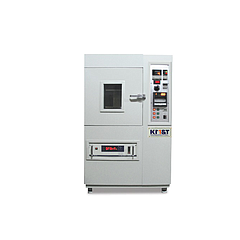
Why calibration matters for ozone aging chambers
An ozone aging test chamber is used to simulate accelerated environmental stress on materials that are sensitive to ozone exposure. In practical use, the chamber must maintain stable and verifiable test conditions so that the observed material response reflects the specimen performance, not uncontrolled variation in the equipment.
Calibration accuracy is especially important when test results are used for internal quality decisions, supplier comparison, failure analysis, or long-term product validation. If the actual chamber conditions drift from the intended settings, the test may produce inconsistent cracking behavior, misleading pass/fail outcomes, or poor correlation between different test cycles.
What is typically covered in this service category
Ozone aging chamber calibration generally focuses on the key parameters that influence test repeatability. Depending on the equipment configuration, this can include verification of ozone-related measurement performance, environmental control behavior, and core operating functions associated with the test cycle.
In many workflows, calibration is closely tied to the broader health of the test system, including sensor response, chamber stability, and the consistency of control output over time. Organizations that also manage other physical testing instruments may review related services such as abrasion tester calibration when standardizing maintenance across multiple material test methods.
Suitable applications across material testing environments
This category is relevant wherever ozone resistance testing is part of a controlled validation process. Common use cases include rubber product testing, polymer material development, automotive component evaluation, cable and insulation testing, and general durability assessment for products exposed to reactive atmospheres.
Calibration also supports labs that need better consistency between environmental and barrier-property test systems. For example, companies working across multiple packaging or material analysis methods may also require services for an oxygen permeation system or a water vapor transmission rate test system to keep different test platforms aligned within the same quality framework.
Representative calibration services in this category
Several service options in this category are associated with commonly used brands in ozone testing and related chamber equipment. Examples include the JFM Ozone Aging Test Chamber Calibration Service, as well as ozone tester calibration services for equipment from KMT and MStech.
Where brand-specific support is relevant, users may also explore manufacturers such as KMT, JFM, and MStech for broader equipment context. These references help buyers and lab managers identify services that match their installed base without turning the category page into a simple product list.
How to choose the right calibration service
The right service scope depends on how the chamber is used, how often it runs, and how critical the test data is to production or R&D decisions. A chamber used for formal validation or customer-facing reports may require more structured calibration scheduling than a unit used for occasional screening tests.
Service selection should also consider the equipment brand, the chamber’s control architecture, the parameters most critical to your method, and whether traceability or periodic verification is required by internal procedures. If the chamber is part of a broader thermal testing setup, it may also be useful to coordinate maintenance with a related furnace calibration service for more consistent planning across the lab.
Benefits for quality control and test repeatability
A well-calibrated chamber helps laboratories maintain repeatable test conditions from one batch to the next. This is valuable not only for technical accuracy, but also for process control, document consistency, and more efficient troubleshooting when material performance changes unexpectedly.
Calibration can also reduce the risk of hidden measurement drift accumulating over time. Instead of discovering a problem after questionable results or failed audits, teams gain a more structured basis for preventive action and equipment management.
Supporting a more reliable testing workflow
Ozone aging chambers often operate alongside other specialized instruments in material and environmental testing labs. Treating calibration as part of an integrated maintenance strategy helps improve scheduling, reduce downtime surprises, and preserve confidence in cross-method comparisons.
For organizations that depend on test data to support engineering, purchasing, or product release decisions, this category provides a practical path to keeping ozone exposure equipment under control. Choosing an appropriate calibration service for your ozone aging chamber helps protect the quality of your results and supports more dependable long-term testing performance.
Get exclusive volume discounts, bulk pricing updates, and new product alerts delivered directly to your inbox.
By subscribing, you agree to our Terms of Service and Privacy Policy.
Direct access to our certified experts