
Electrical Calibrator Inspection Service
When electrical calibrators are used to verify meters, simulate signals, or support maintenance work, their own performance needs to be checked regularly. Inspection helps confirm that the instrument still operates within its intended range, responds correctly, and remains suitable for calibration tasks in laboratories, production environments, utilities, and field service operations.
Electrical Calibrator Inspection Service is intended for organizations that depend on reliable reference equipment for electrical measurement work. Whether the calibrator is used for routine verification, troubleshooting, or quality control, periodic inspection supports traceability, reduces uncertainty in day-to-day testing, and helps identify drift or functional issues before they affect downstream results.
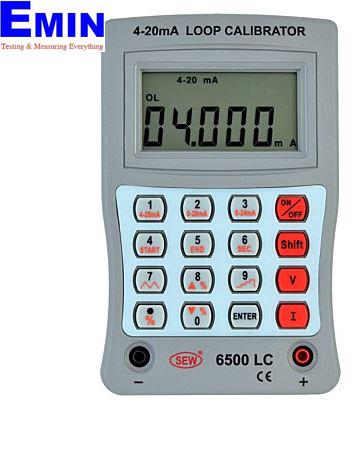
Why inspection matters for electrical calibrators
An electrical calibrator often sits near the top of a measurement chain. If its output is no longer stable or accurate enough for the intended task, every instrument checked against it may be affected. That is why inspection is not only a maintenance activity, but also part of a broader quality assurance process for technical teams working with measurement and test equipment.
A structured inspection service typically focuses on the condition and performance of the calibrator, helping users determine whether the device remains fit for use. This is especially important in environments where electrical values are used to validate other instruments, document compliance, or support production decisions.
What this service is typically used for
This category covers inspection services for electrical calibrators used across many electrical and electronic measurement workflows. Common use cases include verifying equipment used in maintenance departments, metrology labs, service centers, manufacturing quality systems, and utility applications where dependable electrical reference signals are required.
Electrical calibrators may be applied in tasks involving voltage, current, resistance, or related electrical simulation and verification functions, depending on the instrument design. In practice, users often book inspection as part of scheduled asset management, after intensive field use, or when results appear inconsistent and require further evaluation.
Suitable for many major calibrator brands
This service category is relevant for instruments from widely used manufacturers such as FLUKE, HIOKI, KEITHLEY, KEYSIGHT, Chauvin Arnoux, METRIX, SANWA, PCE, and IET LABS. Brand familiarity matters because different organizations standardize on different calibrator platforms, but the core objective remains the same: verify that the unit continues to perform reliably for electrical calibration work.
Representative service entries in this category include Fluke Electric Calibrator Inspection Service, Hioki Electric Calibrator Inspection Service, Keysight Electric Calibrator Inspection Service, Keithley Electric Cablibrator Inspection Service, and Chauvin Arnoux Electric Calibrator Inspection Service. These examples help illustrate the scope of supported equipment without turning the page into a simple product list.
When to consider sending a calibrator for inspection
Inspection is commonly considered when a calibrator is approaching its periodic review interval, after repair or abnormal operation, or before it is used in a critical verification sequence. It is also a sensible step when users observe unstable output, inconsistent readings between reference devices, or uncertainty about the condition of a unit that has been transported frequently.
For B2B users, timing matters. Sending equipment for inspection before audit periods, plant shutdowns, commissioning work, or annual maintenance programs can help avoid disruptions later. A proactive inspection plan is often more efficient than waiting for a failure to appear during a critical job.
Examples of services in this category
Within this category, users may find service options associated with instruments from multiple brands, including IET LAB Electric Cablibrator Inspection Service, METRIX Electric Cablibrator Inspection Service, SANWA Electric Cablibrator Inspection Service, PCE Electric Calibrator Inspection Service, and FlukeCal Electric Cablibrator Inspection Service. These listings are useful for locating a service path that aligns with the brand already used in your facility.
Because naming conventions can vary between manufacturers and legacy product databases, some entries may use slightly different wording such as “electric calibrator” or “electric cablibrator.” The practical purpose remains consistent: support the inspection and condition assessment of calibrator equipment used for electrical measurement tasks.
How to choose the right inspection path
Before selecting a service, it helps to review the calibrator’s role in your operation. Consider where it sits in the measurement chain, how often it is used, whether it serves as a working standard or a routine field tool, and what level of measurement confidence your process requires. Equipment used for internal checks may have different service priorities from instruments supporting documented quality procedures.
It is also useful to match the service category to the equipment type. If your application involves broader electrical simulation and verification tasks, this page is the right starting point. If your work centers on loop and transmitter work, a process signal calibrator inspection service may be more relevant. For temperature sources, users may instead look at dry block and bath calibrator inspection services.
How this category fits into a wider calibration service workflow
In many organizations, electrical calibrator inspection is only one part of a larger equipment assurance program. Teams may manage multiple reference devices at once, each serving different measurement domains. Aligning service schedules across these assets can improve uptime, simplify record keeping, and make it easier to maintain a consistent quality system.
For example, facilities that handle rotating equipment testing may also need tachometer calibrator inspection services. Where the requirement is broader and not limited to one signal type, users can also review the wider calibrator inspection service context to compare related service categories.
Support more reliable measurement decisions
A dependable calibrator supports dependable test results. By arranging inspection at appropriate intervals, companies can better control instrument condition, reduce the risk of unnoticed drift, and protect the reliability of the equipment checked against that calibrator.
If your team works with reference instruments from FLUKE, HIOKI, KEITHLEY, KEYSIGHT, Chauvin Arnoux, METRIX, SANWA, PCE, or IET LABS, this category provides a focused route to inspection support for electrical calibration equipment. Choosing the right service at the right time helps maintain traceability, improve planning, and keep critical measurement activities on a more stable footing.
Get exclusive volume discounts, bulk pricing updates, and new product alerts delivered directly to your inbox.
By subscribing, you agree to our Terms of Service and Privacy Policy.
Direct access to our certified experts
