
Chemical storage refrigerators Inspection Service
Reliable temperature control is critical when chemicals, reagents, standards, or sensitive laboratory materials must be stored within a defined range. Over time, even well-maintained refrigeration equipment can drift from its expected performance, which is why a professional Chemical storage refrigerators Inspection Service is an important part of laboratory safety, quality control, and day-to-day operational stability.
This service is intended for organizations that need confidence in the condition and performance of storage refrigerators used in technical, industrial, research, or regulated environments. Regular inspection helps identify issues early, supports internal quality procedures, and provides a clearer basis for maintenance, repair, replacement, or continued use.
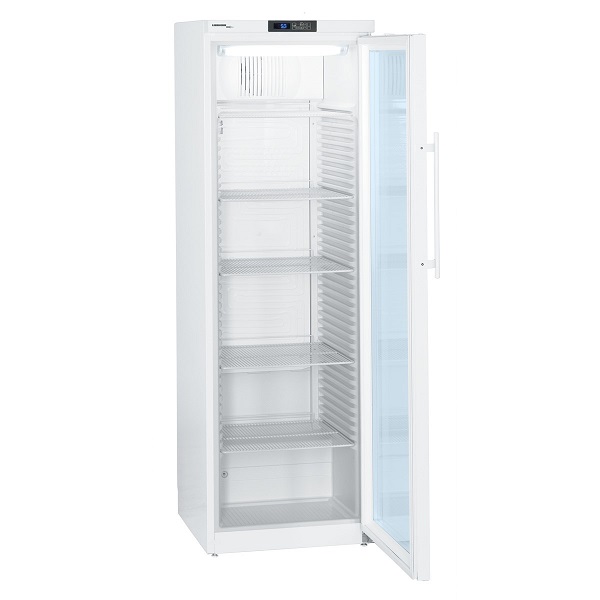
Why inspection matters for chemical storage refrigerators
Chemical storage refrigerators are not the same as general-purpose cooling units. In many facilities, they are used to store materials that require a stable environment to preserve integrity, reduce risk, and support traceable handling processes. An inspection helps confirm whether the equipment is operating in a way that aligns with the intended storage conditions and the demands of the application.
From a practical standpoint, inspection can help detect temperature instability, component wear, door sealing issues, abnormal operation, or other signs that may affect performance. This is especially relevant where stored materials are valuable, safety-sensitive, or tied to testing, production, or compliance workflows.
What this inspection service typically focuses on
The exact scope can vary depending on the equipment condition and the inspection program in place, but the service generally centers on the refrigerator’s operational condition, temperature-related performance, and overall suitability for continued use. This gives maintenance teams and laboratory managers a more informed view of the equipment rather than relying only on day-to-day observation.
Common review points may include the physical condition of the unit, signs of damage or deterioration, basic functional checks, and confirmation that the refrigerator is performing consistently within its intended role. The goal is not simply to note whether the unit turns on, but to assess whether it remains dependable for controlled chemical storage.
Typical environments where the service is used
This category is relevant to laboratories, industrial plants, R&D centers, quality departments, educational institutions, and technical service facilities that use dedicated cold storage for chemicals or laboratory materials. In these settings, refrigeration equipment often supports broader workflows such as sample retention, test preparation, material verification, or controlled storage before use.
Inspection is also useful for sites managing multiple types of instruments and controlled equipment under one quality system. For organizations reviewing a wider group of devices, related services such as electrical and electronic meter inspection or gas detector and meter inspection may also be relevant within the same maintenance and compliance framework.
Key benefits of periodic inspection
A structured inspection program supports more than simple fault finding. It can help reduce the risk of unnoticed equipment degradation, improve planning for service or replacement, and support internal documentation for audits or asset management. For teams responsible for laboratory uptime, this can translate into fewer unexpected disruptions and better visibility into equipment condition.
Another key benefit is improved confidence in storage reliability. When chemicals or laboratory materials depend on controlled refrigeration, even small issues can have a larger downstream impact. Periodic inspection helps organizations make decisions based on observed equipment condition instead of assumptions.
How to decide when inspection is needed
Many organizations schedule inspection as part of a preventive maintenance cycle, but timing may also depend on risk level, usage intensity, equipment age, or the criticality of the stored contents. Units that operate continuously, support regulated work, or store high-value materials often justify closer attention than refrigerators used only occasionally.
Inspection should also be considered when there are warning signs such as inconsistent temperature behavior, unusual noise, excessive frost buildup, poor door closure, or visible wear. If your facility manages a broader range of controlled instruments, services for mechanical measuring instruments or specialty meters may complement a more complete equipment review program.
What to prepare before requesting the service
To make the inspection process more efficient, it is helpful to prepare basic asset information such as equipment location, identification number, operating condition, service history, and any known issues observed by users. If temperature records, maintenance logs, or internal check sheets are available, these can also provide useful background for the inspection.
Facilities should also consider how the refrigerator is currently being used. Information about stored materials, critical storage requirements, and any operational concerns can help ensure the inspection is aligned with real usage conditions rather than treated as a generic equipment check.
Choosing the right inspection approach
The most suitable inspection approach depends on the role the refrigerator plays in your operation. A unit supporting routine storage may require a different level of attention than one tied to quality-sensitive workflows or regulated laboratory processes. In either case, the value of the service comes from obtaining a clearer view of equipment condition, performance consistency, and potential risk areas.
For B2B users, the best approach is usually one that fits into a broader equipment management process rather than treating each asset in isolation. When inspection is planned systematically, organizations can prioritize critical devices, document findings more effectively, and make better maintenance decisions across the facility.
Supporting safer and more consistent laboratory operations
Chemical storage refrigerators play a quiet but important role in many technical environments. When their condition is verified through regular inspection, teams gain better control over storage reliability, asset planning, and operational risk. That makes this service a practical choice for facilities that need dependable refrigeration performance as part of a larger quality or safety program.
If your site relies on controlled storage for chemicals or laboratory materials, a well-timed inspection can help confirm that the equipment remains fit for purpose and easier to manage over the long term.
Get exclusive volume discounts, bulk pricing updates, and new product alerts delivered directly to your inbox.
By subscribing, you agree to our Terms of Service and Privacy Policy.
Direct access to our certified experts