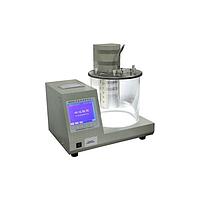
Viscometers Inspection Service
Reliable viscosity data depends not only on the instrument itself, but also on its condition over time. In laboratories, coating applications, chemical production, and quality control workflows, a viscometer that drifts from expected performance can affect product consistency, process settings, and acceptance decisions. That is why Viscometers Inspection Service plays an important role in maintaining confidence in routine measurements.
This service category is intended for businesses that need to check the operating condition of viscometers used in testing, formulation, and process verification. Whether the instrument is part of an R&D lab, a production support environment, or an incoming material inspection process, regular inspection helps confirm that the device remains suitable for its intended use and aligned with internal quality requirements.
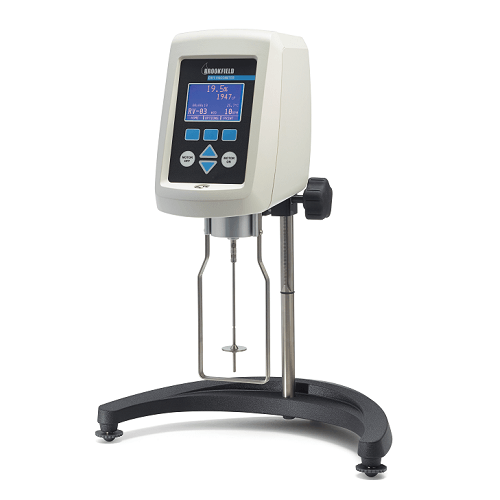
Why viscometer inspection matters in daily operation
Viscometers are used to evaluate the flow behavior of liquids, semi-liquids, and other materials where viscosity is a critical quality parameter. When the instrument condition changes due to wear, handling, environmental factors, or long-term use, measurement reliability may also change. Periodic inspection helps identify these issues before they lead to inconsistent results or unnecessary troubleshooting elsewhere in the process.
For many organizations, inspection is also part of a broader equipment control strategy. Alongside services such as centrifuge inspection service or centrifugal mixer inspection, viscometer checks support a more stable and traceable laboratory environment.
What is typically reviewed during a viscometer inspection
Although the exact procedure depends on instrument design and the user's quality requirements, an inspection service generally focuses on the instrument’s overall operating condition. This can include visual condition, functional response, basic performance verification, and confirmation that key components are working as expected within the intended application range.
For users, the main benefit is practical rather than theoretical: the inspection helps determine whether the device is still ready for routine use, whether maintenance may be needed, or whether additional calibration or corrective action should be considered. In a controlled laboratory setting, this supports better documentation and more confident release of test results.
Suitable for different viscometer brands and working environments
Many facilities operate mixed fleets of instruments from multiple manufacturers, especially when different departments or test methods are involved. This category covers inspection needs for commonly used brands such as BROOKFIELD, ELCOMETER, PCE, RION, SEKONIC, TQCSheen, KMT, Malcom, Phase Analyzer ̣(PAC), and MStech, depending on the equipment in service.
Representative service entries in this category include BROOKFIELD Viscometer Inspection Service, RION Viscometer Inspection Service, ELCOMETER Viscometer Inspection Service, PCE Viscometer Inspection Service, and TQCSheen Viscometer Inspection Service. These examples help users locate brand-relevant support more easily, especially when their internal asset lists are organized by manufacturer.
How to choose the right inspection service
The most effective choice starts with understanding how the viscometer is used in your workflow. A device used for incoming material checks may require a different inspection frequency than one used in formulation development or in a production quality lab. It is also useful to consider the instrument’s usage intensity, storage conditions, maintenance history, and the impact of viscosity data on downstream decisions.
When reviewing available services, look for a scope that matches your operational needs rather than choosing based on brand name alone. For example, if your site maintains several types of controlled laboratory equipment, it may be helpful to plan viscometer inspection together with related service activities such as biosafety cabinet inspection service where applicable to your laboratory maintenance schedule.
Examples of service options in this category
This category includes service listings for a range of manufacturers, helping procurement teams and laboratory managers find a relevant starting point. Examples include BROOKFIELD Viscometer Inspection Service, Phase Analyzer ̣(PAC) Viscometer Inspection Service, MStech Viscometer Inspection Service, SEKONIC Viscometer Inspection Service, Malcom Viscometer Inspection Service, and KMT Viscometer Inspection Service.
These listings should be understood as brand-specific service references within the broader inspection category. They are particularly useful when a site standardizes on a certain manufacturer or when a maintenance plan needs to align with the installed base of instruments already in operation.
Common use cases for viscometer inspection
Inspection services for viscometers are relevant in many sectors where viscosity affects product behavior, handling, or compliance. Typical use cases include laboratories working with paints and coatings, chemicals, inks, adhesives, process fluids, and various research samples where repeatable viscosity measurement is part of normal workflow.
They are also valuable when an instrument has been relocated, stored for an extended period, returned to service after maintenance, or shows unexpected test variation. In these situations, an inspection can help determine whether the issue is likely related to instrument condition rather than sample preparation, method settings, or operator technique.
Supporting quality systems and equipment management
In B2B and regulated laboratory environments, equipment status is often tied to internal SOPs, audit readiness, and documented maintenance practices. A structured equipment inspection service helps users maintain better control over instrument readiness and reduce uncertainty in day-to-day testing. For teams managing multiple devices across the lab, this contributes to more consistent scheduling and clearer service records.
Viscometers are only one part of a larger quality infrastructure. In facilities where thermal processing or controlled storage equipment is also critical, related service categories such as autoclave sterilizer inspection can support a broader preventive maintenance approach across the laboratory.
Choosing a practical service path for your lab
If your team depends on stable viscosity measurement, regular inspection is a practical way to reduce risk and improve confidence in the instrument’s condition. The right service approach should reflect how often the viscometer is used, how critical the data is, and whether the instrument supports routine QC, development work, or process troubleshooting.
This category brings together brand-specific service references and a focused path for organizations looking to manage viscometer condition more effectively. By selecting an inspection option that fits your installed equipment and quality workflow, you can support more dependable measurement results and a more organized maintenance program over time.
Get exclusive volume discounts, bulk pricing updates, and new product alerts delivered directly to your inbox.
By subscribing, you agree to our Terms of Service and Privacy Policy.
Direct access to our certified experts