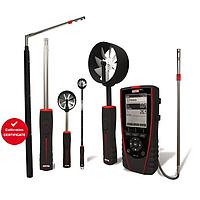
Air Flow Meter Inspection Service
Reliable airflow readings are essential in HVAC verification, cleanroom monitoring, ventilation balancing, and many industrial test environments. When an instrument starts to drift, even small measurement errors can affect energy performance, process stability, or compliance records. A professional Air Flow Meter Inspection Service helps confirm that your meter is operating as expected and remains suitable for field or laboratory use.
This service category is intended for organizations that depend on consistent air velocity or airflow measurement as part of maintenance, commissioning, environmental control, or technical inspection work. Whether the meter is used periodically or as part of a routine testing program, inspection supports better confidence in the data behind your decisions.
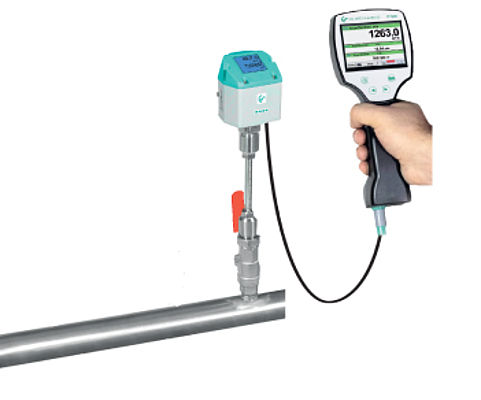
Why airflow meter inspection matters
Airflow meters are often exposed to variable temperatures, dust, transport shock, and repeated field handling. Over time, these factors can influence sensor response, reading stability, and overall measurement reliability. Inspection is therefore not only a maintenance step, but also part of sound measurement quality control.
In practical terms, verified airflow measurement helps teams work with more confidence when checking duct performance, validating ventilation conditions, or comparing readings across test points. For businesses that document technical performance, periodic inspection can also support internal quality systems and service traceability.
What this service is typically used for
An air flow meter inspection service is relevant in many sectors where air movement must be measured accurately. Common examples include HVAC service contractors, facility management teams, environmental test providers, building commissioning specialists, and industrial maintenance departments.
Depending on the instrument type and how it is used, inspection may be requested to evaluate reading behavior, confirm operational condition, and identify whether the device remains appropriate for continued use. If your work also involves related compressed gas measurement tasks, you may also want to review the inspection service for compressed air and gas testers for adjacent applications.
Scope of an air flow meter inspection service
The exact service workflow can vary by instrument design and operating condition, but the general purpose is clear: assess the meter’s condition and its ability to deliver dependable readings. This may include checking the device’s functional state, reviewing measurement response, and identifying visible or operational issues that could affect performance.
For users managing multiple specialty instruments, it is often helpful to align inspection planning across similar devices. For example, organizations that monitor both airflow and surface treatment quality may combine service planning with a coating thickness meter inspection service to keep equipment control more organized.
Suitable instruments and service context
This category focuses on instruments used to measure airflow in technical and industrial environments. These meters may support ventilation diagnostics, airflow verification, maintenance checks, and broader environmental measurement programs. The service is particularly useful when instruments are part of recurring inspections, acceptance testing, or routine maintenance schedules.
One representative offering in this category is the KIMO Gas Flow Meter Inspection Service from Sauermann. Its presence is relevant for buyers looking for inspection support connected to widely used measurement equipment in airflow and gas flow applications. When choosing a service, it is important to match the inspection scope to the actual instrument type and the way it is used in the field.
How to choose the right inspection service
The most effective service choice starts with a simple review of your instrument fleet and use case. Consider how frequently the meter is used, the environments it operates in, whether readings are used for reporting or acceptance decisions, and how critical the data is to maintenance or compliance activities. Instruments used in demanding conditions or relied upon for formal documentation generally benefit from more structured inspection intervals.
It is also useful to prepare the equipment history before sending a device for service. Previous performance issues, unstable readings, sensor contamination, unusual handling incidents, or application-specific concerns can all help define the right inspection approach. This improves communication and reduces the risk of overlooking issues that only appear under certain operating conditions.
Benefits for maintenance, compliance, and operational consistency
A well-planned inspection service can support more than the instrument itself. It contributes to better maintenance planning, reduces uncertainty during troubleshooting, and helps standardize measurement practices across teams or sites. In technical service organizations, this can improve the consistency of reports and field comparisons over time.
For companies working with multiple specialized instruments, inspection services also make equipment management more systematic. If your workflow includes optical testing or lab-related measurement tools, related categories such as laser power meter inspection service may be relevant as part of a broader service plan.
When to schedule an airflow meter inspection
There is no single interval that fits every operation. A suitable schedule depends on usage frequency, environmental exposure, criticality of the readings, and internal quality requirements. Meters used in high-demand field service, validation work, or regulated documentation processes typically require closer attention than instruments used only occasionally.
Common triggers for inspection include inconsistent readings, suspected sensor drift, post-impact checks, prolonged storage, or preparation for major maintenance and audit activities. Establishing a regular review cycle helps avoid discovering measurement problems only after data has already been used in reports or corrective actions.
Supporting better measurement decisions
Airflow measurement is often a small part of a much larger technical process, but the quality of that measurement still matters. An appropriate air flow meter inspection helps confirm that your instrument remains fit for purpose, supports more dependable diagnostics, and reduces uncertainty in day-to-day testing work.
For organizations that rely on specialty meters across different applications, choosing the right inspection service is a practical step toward more stable operations and better equipment oversight. Reviewing service options by instrument type, manufacturer, and application context makes it easier to maintain confidence in the readings your teams depend on.
Get exclusive volume discounts, bulk pricing updates, and new product alerts delivered directly to your inbox.
By subscribing, you agree to our Terms of Service and Privacy Policy.
Direct access to our certified experts