Flow Calibrator Repair Service
Reliable flow measurement depends on more than the process instrument alone. When a calibration device begins to drift, respond slowly, or show unstable readings, repair service becomes an important step in restoring confidence in testing, verification, and compliance work. For laboratories, maintenance teams, and industrial users, choosing the right Flow Calibrator Repair Service helps reduce downtime while protecting the accuracy of flow-related measurements.
This category is intended for users who need support for flow calibration equipment used in inspection, maintenance, and quality systems. Whether the issue involves performance degradation, physical wear, display or control problems, or the need for professional evaluation before recalibration, repair service can help return the instrument to usable condition and support a more dependable workflow.
Why flow calibrator repair matters
Flow calibrators are used where stable, repeatable reference performance is essential. In many environments, these instruments support verification of pumps, sampling systems, process lines, environmental monitoring setups, or other flow-dependent applications. If the calibrator itself is not functioning correctly, the quality of downstream measurements can be affected.
A professional repair service focuses on restoring the instrument’s operational condition so it can be properly assessed and returned to service. This is especially important when symptoms such as inconsistent readings, startup faults, damaged controls, poor response, or intermittent operation begin to appear. In practical terms, repair is often the link between equipment failure and a successful return to calibration readiness.
Typical situations that lead to service
Users usually seek repair when a device no longer behaves as expected in routine calibration tasks. That may include unstable measurement output, failure to power on, keypad or interface issues, connection problems, or signs that the unit no longer holds performance consistently during verification work. Even when the root cause is not obvious, an inspection and repair process can help identify whether the problem is mechanical, electrical, or related to normal wear over time.
Repair service is also relevant after heavy field use, accidental damage, transport stress, or long operating cycles in demanding industrial environments. Because flow calibrators often serve as reference tools rather than general-purpose instruments, keeping them in working order is important for maintenance planning and measurement traceability across broader operations.
Supported examples in this category
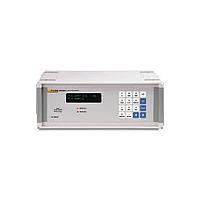
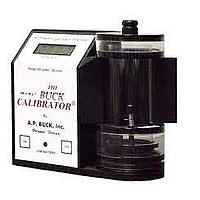
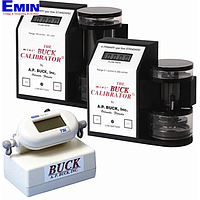
This category includes service options for selected flow calibration instruments from established manufacturers. Examples include the FlukeCal Flow Calibrator Repair Service and the BUCK Flow Calibrator Repair Service, covering equipment associated with Fluke (Calibration) and BUCK.
These examples help illustrate the type of equipment supported within the category, rather than serving as an exhaustive technical list. If your organization uses flow calibration tools from these brands, this category provides a focused starting point for repair-related service needs without forcing you to search across unrelated equipment types.
How flow calibrator repair fits into a broader calibration workflow
In many maintenance and quality systems, repair is only one part of the instrument lifecycle. Before a calibrator can be trusted again in production, laboratory, or field use, it often needs to be restored to proper operating condition and then evaluated within the wider calibration and verification process. That is why repair service should be viewed as part of a broader reliability strategy, not simply a fix for a single fault.
Organizations that manage multiple reference instruments may also work with related service categories. For example, teams responsible for multi-discipline calibration assets may also need electrical calibrator repair service or process signal calibrator repair service for other instruments used in the same maintenance program.
What to consider when selecting a repair service
When evaluating a repair service for flow calibrators, it helps to think beyond the immediate symptom. Buyers typically want a service path that aligns with the instrument type, manufacturer, and role of the device in their operation. A reference tool used in routine compliance checks may require a different service priority than a backup unit used occasionally in internal maintenance work.
It is also useful to provide clear information about the instrument’s condition, observed failure mode, and service history when available. This can support faster diagnosis and a smoother service process. For B2B users, the most practical approach is usually one that balances turnaround considerations, equipment criticality, and the need to return the calibrator to a condition suitable for further testing or calibration.
Repair service for industrial, laboratory, and field environments
Flow calibrators may be used in a wide range of settings, from controlled laboratory benches to mobile maintenance and environmental sampling applications. Because these environments expose equipment to different stresses, service needs can vary significantly. A unit used in the field may be more likely to need attention due to handling, transport, contamination, or connector wear, while lab-based instruments may show issues related to age, internal drift, or repeated bench use.
For this reason, a category focused specifically on flow calibrator repair is useful: it narrows the search intent to the instrument function that matters most. Instead of browsing generic equipment repair options, users can quickly identify a service area aligned with flow measurement support equipment and the operational demands associated with it.
Choosing the right category for your service request
If your device is primarily used to verify or support flow-related measurements, this category is the most relevant place to start. If the instrument’s primary function relates instead to temperature sources, pressure comparison, rotational speed, or electrical simulation, one of the other repair categories may be more appropriate. Matching the service request to the equipment function helps streamline evaluation and avoids confusion during the repair intake process.
For organizations with mixed fleets of calibration assets, separating service requests by instrument type can also improve internal tracking and maintenance planning. This is particularly helpful when multiple departments share responsibility for test equipment across production, utilities, quality, and service operations.
Conclusion
When a flow calibrator no longer performs reliably, timely repair support helps protect the integrity of the measurement tasks that depend on it. This category brings together relevant service options for users working with flow calibration equipment from manufacturers such as Fluke (Calibration) and BUCK, while also fitting naturally into a larger calibration maintenance strategy.
If your goal is to restore instrument usability, reduce uncertainty in reference measurements, and keep critical equipment moving back toward service readiness, this Flow Calibrator Repair Service category provides a practical starting point.
Get exclusive volume discounts, bulk pricing updates, and new product alerts delivered directly to your inbox.
By subscribing, you agree to our Terms of Service and Privacy Policy.
Direct access to our certified experts