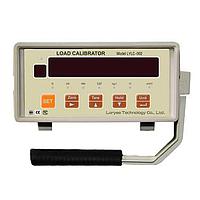
Force, load cell Calibrator Repair Service
Accurate force and load measurement depends not only on the sensor under test, but also on the condition of the calibration equipment behind it. When a calibrator begins to drift, respond slowly, show unstable readings, or develop mechanical and electronic faults, repair work becomes essential to restore confidence in test results and day-to-day quality control.
Force, load cell Calibrator Repair Service is intended for organizations that rely on dependable calibration equipment in laboratories, manufacturing, maintenance, and verification environments. This service category supports the repair and functional recovery of force and load calibration systems so they can return to stable operation with less disruption to the measurement workflow.
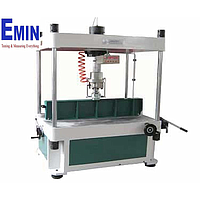
Why repair matters for force and load calibration equipment
Force and load calibrators are used where measurement traceability, repeatability, and process consistency matter. Even a small issue in the calibrator can affect setup reliability, verification routines, and the overall quality of test data. In industrial settings, that can lead to unnecessary downtime, repeated testing, or uncertainty when evaluating load cells and related measurement devices.
Repair service helps address problems such as unstable indication, poor response, mechanical wear, damaged interfaces, power-related faults, or performance degradation over time. Instead of treating every issue as a reason for replacement, many users first look for a practical service path that can bring the equipment back into usable condition.
Typical service scope for this category
This category focuses on repair support for force and load cell calibrator equipment, including systems used to verify or support force measurement chains. Depending on the instrument condition, the service process may involve inspection, fault diagnosis, component-level troubleshooting, functional restoration, and post-repair verification of core operation.
For users working with Laryee equipment, this category is also relevant when service is needed for products such as the Laryee Load Calibration Machine Repair Service. The goal is not simply to power the unit back on, but to restore dependable behavior in the parts of the system that matter most for calibration work.
Common issues seen in force and load calibrators
Because this type of equipment may combine mechanical loading elements, sensing circuits, displays, control electronics, and communication interfaces, faults can appear in more than one area at the same time. Some problems are obvious, such as startup failure or display errors, while others only become visible when readings become inconsistent during routine calibration tasks.
Users often seek repair when they notice zero drift, unstable output, abnormal load response, keypad or control issues, connection faults, or signs of wear after prolonged use. In some cases, the instrument still operates but no longer behaves predictably enough for demanding calibration or verification work. That is usually the point where a structured repair evaluation becomes more valuable than continued field use.
How to evaluate whether repair is the right next step
A good starting point is to look at the role of the calibrator in your process. If the unit is part of a regular test routine, supports inspection records, or is used to verify load cells before installation or production use, restoring it may be more practical than working around the fault. Repair is especially relevant when the issue appears limited to one subsystem rather than complete end-of-life failure.
It also helps to compare the operational impact of downtime against the value of service. For example, if one faulty calibrator interrupts broader force measurement activities, repair can support continuity while maintaining the existing workflow. Where related service needs exist across other calibration assets, users may also review options such as electrical calibrator repair service or process signal calibrator repair service for a more complete maintenance plan.
Repair service in a broader calibration ecosystem
Force calibration equipment rarely operates in isolation. In many facilities, it sits alongside pressure, temperature, electrical, or rotational calibration tools, all of which contribute to a wider measurement assurance system. A failure in one calibrator can affect scheduling, quality documentation, and the ability to verify instruments on time.
That is why repair services are often managed as part of a broader asset care strategy. If your operation includes related calibration devices, it may be useful to consider neighboring service categories such as pressure comparator repair service. This kind of planning helps reduce unexpected interruptions across multiple instrument types rather than addressing each failure only when it becomes urgent.
What to look for when arranging service
For technical buyers and maintenance teams, the most important point is service suitability. The repair path should match the actual role of the equipment, the type of fault observed, and the level of performance needed after service. A useful request usually includes the equipment model, the symptoms seen during operation, and whether the issue is intermittent, mechanical, or clearly electronic.
It is also worth considering whether the unit supports critical quality tasks, production checks, or lab verification routines. That context helps prioritize service and supports better decisions around repair timing, follow-up testing, and return-to-use planning. In practice, the most effective outcomes come from combining fault diagnosis with a clear understanding of how the calibrator is used in the field.
Support for Laryee load calibration equipment
Where the installed base includes Laryee systems, this category provides a relevant route for service evaluation and repair support. The listed Laryee Load Calibration Machine Repair Service can be used as a reference point for organizations looking for targeted help with equipment in this segment.
Since load calibration machines are typically tied to verification accuracy, repeatability, and workflow consistency, timely repair can help protect both measurement confidence and equipment uptime. That makes serviceability an important consideration for users managing long-term calibration assets.
Choosing the right repair path
Repair decisions are rarely based on a single symptom. They usually depend on how critical the equipment is, how the fault affects usable performance, and whether restoring the calibrator supports your wider testing or quality process. A focused service category like this one helps narrow that decision by addressing the specific needs of force and load calibration equipment.
If your calibrator shows signs of instability, mechanical problems, or declining reliability, reviewing a specialized repair service is a practical next step. For businesses that depend on consistent force measurement, restoring the condition of the calibrator can be just as important as maintaining the sensors and systems it is used to verify.
Get exclusive volume discounts, bulk pricing updates, and new product alerts delivered directly to your inbox.
By subscribing, you agree to our Terms of Service and Privacy Policy.
Direct access to our certified experts