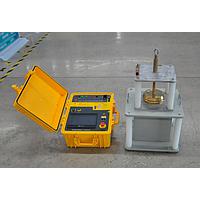
Leakage Current Tester Repair Service
When leakage current measurements start drifting, fluctuating, or failing to respond consistently, inspection work can quickly become unreliable. In electrical maintenance, facility testing, and safety verification, these instruments are often used to confirm insulation condition, detect unwanted current paths, and support preventive troubleshooting. A dependable Leakage Current Tester Repair Service helps restore measurement confidence and keeps critical test workflows moving.
This service category is intended for leakage current testers and leakage clamp meters used in electrical and electronic measurement tasks. Whether the issue appears as unstable readings, zero drift, display faults, damaged clamping mechanisms, or general wear from field use, repair work should focus on returning the instrument to stable operation while preserving its intended application in low-current leakage diagnostics.
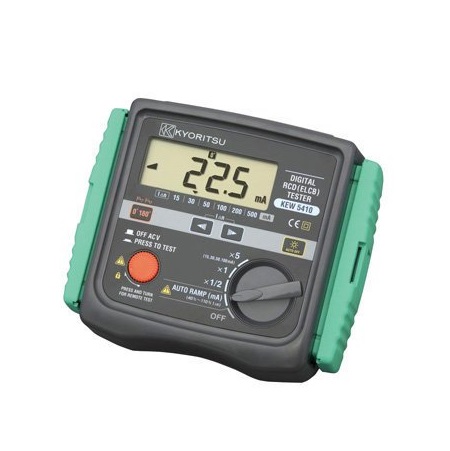
Why leakage current instrument repair matters
Leakage current measurement is closely tied to electrical safety and maintenance quality. These instruments are commonly used when checking residual current on circuits, identifying insulation degradation, and evaluating equipment condition without interrupting the entire system more than necessary. Even small measurement errors can affect troubleshooting decisions, especially when technicians are working with low-current values.
Repair service is therefore not only about fixing visible damage. It is also about restoring stable sensing behavior, reliable indication, and practical usability in the field. For maintenance teams, service centers, and industrial users, timely repair can be more cost-effective than replacing specialized instruments that are already integrated into established inspection routines.
Common issues seen in leakage current testers and clamp meters
Leakage current instruments can develop faults through repeated transport, environmental exposure, aging electronic components, or mechanical stress on the clamp assembly. In practice, users often notice symptoms such as inconsistent readings, slow response, failure to power on, intermittent display problems, or difficulty zeroing the instrument before measurement.
Clamp-style units may also experience issues related to jaw alignment, sensor response, or signal instability caused by physical wear. Bench or handheld tester designs can show keypad faults, connector problems, or internal circuit degradation after long operating periods. If your workflow also relies on broader current measurement tools, related support may be available through the Clamp Meter Repair Service category.
Supported brands and typical repair cases
This category covers repair needs for instruments from widely used manufacturers in the electrical test market. Commonly referenced brands in this range include FLUKE, HIOKI, GW INSTEK, KYORITSU, PCE, SANWA, HT, SEW, and TENMARS. Different models may vary in form factor and interface, but the service goal remains the same: recover reliable operation for leakage current measurement tasks.
Representative service examples in this category include FLUKE Leakage Clamp Meter Repair Service, HIOKI Leakage Current Tester Repair Service, GW INSTEK Leakage Current Tester Repair Service, KYORITSU Leakage Current Tester Repair Service, PCE Leakage Current Clamp Repair Service, and TENMARS Leakage Clamp Meter Repair Service. These examples illustrate the range of supported instrument types, from dedicated testers to clamp-based leakage measurement devices used in field diagnostics.
What to consider before sending an instrument for repair
Before arranging service, it helps to document the exact behavior of the instrument under real operating conditions. Note whether the problem is constant or intermittent, whether it occurs only on certain ranges or functions, and whether the unit has experienced impact, battery leakage, over-range conditions, or exposure to humidity. Clear fault descriptions can shorten the evaluation process and improve repair accuracy.
It is also useful to identify whether the instrument is used mainly for panel inspections, building electrical maintenance, equipment leakage checks, or broader troubleshooting work. This context helps distinguish between a leakage-specific issue and a more general meter fault. In some cases, users with mixed instrument fleets may also need support from the Multimeters Repair Service category for related diagnostic tools.
Repair scope within an electrical test equipment workflow
A leakage current tester rarely operates in isolation. It is usually part of a wider maintenance and verification process that may include multimeters, clamp meters, installation testers, or phase checking tools. Because of that, instrument repair should be viewed as part of maintaining a complete electrical measurement workflow rather than solving a single device failure in isolation.
For users involved in installation verification or periodic inspection, leakage current measurement may sit alongside insulation, continuity, polarity, and system checks. Where testing tasks overlap, related service categories such as multifunction electrical installations meter repair can also be relevant. This broader perspective helps organizations keep inspection capability consistent across multiple instruments.
Choosing a suitable repair service for specialized leakage measurement tools
Not every electrical meter repair process is equally suitable for leakage current instruments. These devices are used for low-level current detection, so service work should account for the sensitivity of the measurement path, the condition of the clamp or sensing section, and the practical requirement for repeatable field readings. A suitable repair approach should therefore focus on function recovery that aligns with real usage, not only cosmetic restoration.
Brand familiarity can also be helpful when handling instruments from manufacturers such as HIOKI, FLUKE, GW INSTEK, or KYORITSU, especially where model families share similar operating logic. Examples listed in this category, including SANWA Clamp Meter Leak Current Repair Service, HT Instruments Leakage Current Clamp MeterRepair Service, and SEW Leakage Current Tester Repair Service, reflect the variety of devices that may require inspection and repair after extended industrial or maintenance use.
When repair is the practical next step
If the instrument still powers on but no longer inspires trust in the reading, repair is often the practical next step. This is particularly true when the tool is already familiar to technicians, fits established procedures, and is used in recurring maintenance schedules. Replacing a unit may introduce workflow changes, while repair can help retain operational continuity.
For organizations managing multiple electrical testing devices, keeping leakage current instruments in working condition supports safer troubleshooting and more consistent reporting. A well-matched repair service can extend the useful life of specialized equipment and reduce unnecessary disruption in maintenance operations.
Find the right service for your instrument condition
Leakage current testers and leakage clamp meters play an important role in electrical diagnostics, especially where subtle current behavior matters. Whether the issue involves unstable measurements, mechanical clamp problems, display faults, or general performance decline, this category brings together relevant service options for widely used instrument brands and repair scenarios.
Review the listed services to match your instrument type and manufacturer, then proceed with the repair option that best fits the fault condition and application context. A careful repair path helps restore dependable measurement performance and supports safer, more efficient electrical testing work.
Get exclusive volume discounts, bulk pricing updates, and new product alerts delivered directly to your inbox.
By subscribing, you agree to our Terms of Service and Privacy Policy.
Direct access to our certified experts