Handheld X-ray Fluorescence Spectrometer Repair Service
When a handheld XRF analyzer starts drifting, fails startup checks, or produces unstable readings, the impact is immediate: slower inspections, questionable material verification, and more downtime in the field. A reliable Handheld X-ray Fluorescence Spectrometer Repair Service helps restore instrument performance so portable elemental analysis can continue to support incoming inspection, PMI workflows, scrap sorting, and quality control.
Because handheld XRF devices are used in demanding industrial environments, service needs often go beyond a simple part replacement. Repair work may involve diagnosing detector-related issues, X-ray source problems, charging or power faults, touchscreen failures, communication errors, or calibration instability. The goal is not only to make the unit power on again, but to return it to dependable operation for real production and inspection use.
Why handheld XRF repair matters in industrial inspection
Portable XRF instruments are often selected because they deliver fast, non-destructive elemental screening without sending samples to a lab. In practice, that means they are exposed to transport, repetitive handling, battery cycling, dust, vibration, and occasional impacts. Over time, these conditions can affect both hardware integrity and measurement consistency.
A proper repair and diagnostic process is important when symptoms include inaccurate identification, abnormal spectra behavior, charging issues, software errors, trigger faults, or display damage. For users who depend on handheld analyzers for alloy verification or field testing, restoring stable operation is typically more valuable than temporary workarounds that leave measurement confidence uncertain.
Common service needs for handheld X-ray fluorescence analyzers
Not every fault appears the same. Some instruments fail completely and will not boot, while others still run but show subtle performance problems such as longer analysis time, inconsistent results, or communication interruptions during data transfer. In a repair context, these issues need structured troubleshooting rather than guesswork.
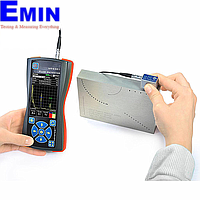
Typical service needs may include inspection of the power system, internal boards, connectors, detector path, user interface components, and overall measurement behavior. In many industrial settings, handheld XRF devices are also part of a broader NDT maintenance workflow, so users reviewing related service options may also compare support for ultrasonic flaw detector repair when multiple inspection tools require maintenance.
Supported brands and example repair references
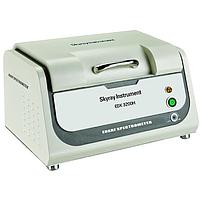
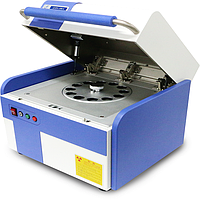
Service requests often depend on the instrument brand, model family, and fault condition. Within this category context, repair examples include the Skyray Instrument MultiFunction X-ray FIuorescence Spectrometer Repair Service and the ISP Materials Analyzer Repair Service. These examples help illustrate the type of support users may look for when handheld or portable XRF-related systems require professional evaluation.
For buyers managing mixed fleets or comparing manufacturer ecosystems, it can also be useful to review available product lines from Skyray Instrument or ISP. That said, the repair requirement should always be matched to the actual instrument condition rather than brand name alone, since similar symptoms can have very different root causes.
What to evaluate before sending a unit for repair
Before arranging service, it helps to document the problem clearly. Useful information includes whether the instrument powers on, how the battery behaves, whether the screen responds normally, if the analyzer can complete self-check routines, and whether the fault is constant or intermittent. This short pre-check can speed up diagnosis and reduce delays in service handling.
It is also practical to note the application context. A unit used mainly for PMI in fabrication may present different wear patterns than one used for recycling or field sampling. If the analyzer was dropped, exposed to harsh environments, or began showing measurement drift after transport, those details can help identify whether the issue is likely linked to electronics, optics, mechanical damage, or calibration-related stability.
Repair service in the context of measurement reliability
For handheld XRF equipment, repair is closely tied to measurement confidence. An instrument that appears functional but returns unstable or suspicious results can create hidden risk in material acceptance and traceability. In B2B environments, that can affect QA documentation, incoming material verification, and customer-facing inspection records.
This is why repair should be viewed as more than a cosmetic or convenience service. A technically sound service path focuses on fault isolation, restoration of normal operation, and confirmation that the analyzer is suitable for continued use in its intended workflow. Where users are specifically comparing services for portable analyzers, the dedicated handheld XRF repair service category provides the most relevant starting point.
How to choose the right service path
The best choice usually depends on three factors: the instrument type, the severity of the fault, and the importance of uptime in your operation. A minor user-interface problem may require a very different approach from a unit with charging failure, detector instability, or internal communication errors. The more clearly the issue is described, the easier it is to align the service request with the actual repair scope.
For procurement teams, maintenance coordinators, and inspection departments, it is sensible to look for service support that understands portable elemental analysis equipment in real industrial use. That means evaluating the repair option in the context of operating conditions, application criticality, and whether the analyzer is part of a larger inspection equipment fleet.
Practical next step for buyers and maintenance teams
If a handheld XRF analyzer is showing faults, delayed response often increases disruption to field work and incoming inspection schedules. Starting with a focused repair assessment helps determine whether the issue is related to power, electronics, interface hardware, or analytical performance, and supports a more efficient return to service.
For organizations that rely on portable material analysis, a well-matched Handheld X-ray Fluorescence Spectrometer Repair Service supports continuity, reduces uncertainty in day-to-day testing, and helps keep inspection workflows moving with greater confidence.
Get exclusive volume discounts, bulk pricing updates, and new product alerts delivered directly to your inbox.
By subscribing, you agree to our Terms of Service and Privacy Policy.
Direct access to our certified experts