UV Transmittance Monitor Repair Service
Stable UV transmittance measurement is important in water and wastewater treatment, disinfection control, and process monitoring where optical performance directly affects decision-making. When a monitor begins to drift, respond slowly, or deliver unreliable readings, repair is often the practical way to restore performance without disrupting the wider control system. This page focuses on UV Transmittance Monitor Repair Service for users who need dependable support for online monitoring equipment already installed in the field.
Why UV transmittance monitor repair matters
A UV transmittance monitor is typically used to track how well ultraviolet light passes through a liquid sample. In practical operation, that measurement can be influenced by fouling, aging optical components, signal instability, electronic faults, or issues in the controller interface. Over time, even a small deviation can affect process confidence and lead to unnecessary troubleshooting elsewhere in the system.
A focused repair service helps bring the instrument back to a usable condition while preserving the existing installation. For many plants and industrial users, this is especially relevant when the monitor is part of a broader online analysis setup and replacing the entire unit would require additional commissioning, wiring checks, and process downtime.
Typical service scope for online UV monitoring equipment
Repair needs can vary depending on the instrument design and the operating environment, but most cases begin with fault assessment and functional diagnosis. In UV monitoring applications, common concerns include unstable output, inaccurate readings, intermittent operation, startup failures, display or communication issues, and measurement inconsistency caused by wear or contamination in the sensing path.
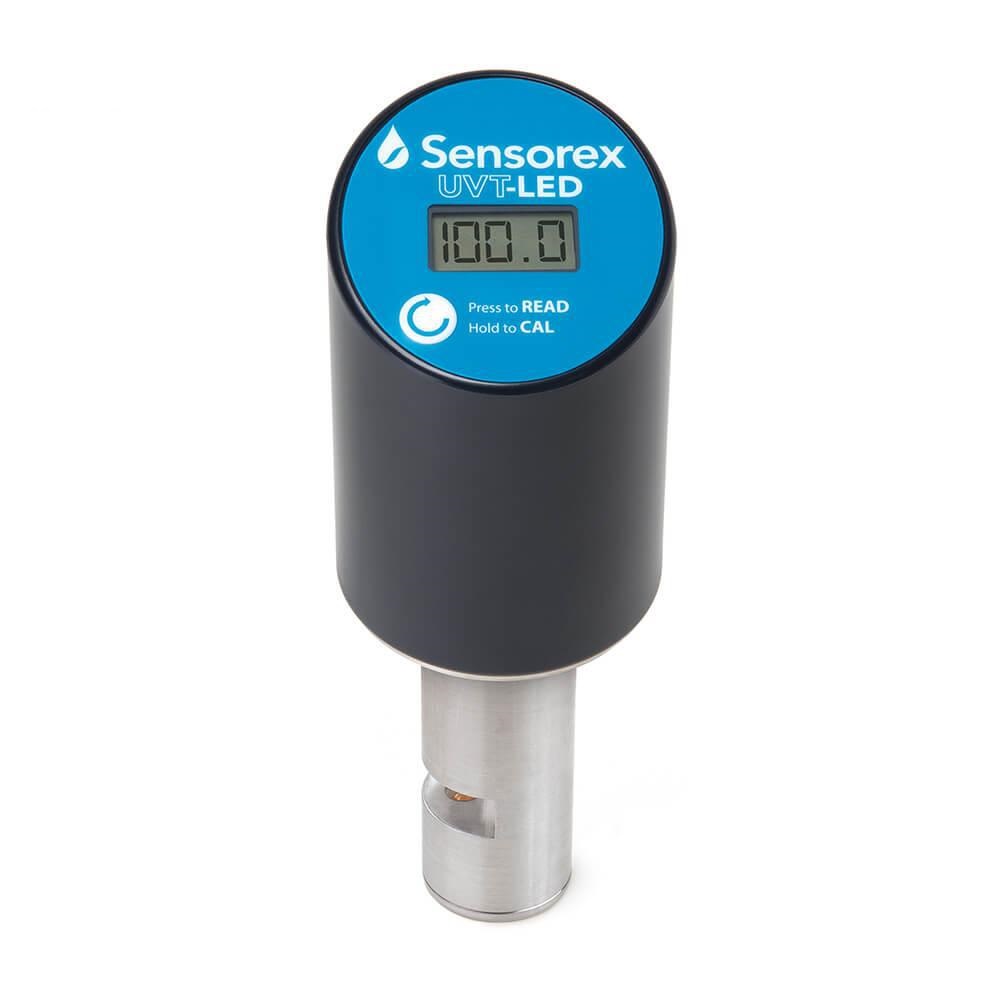
For organizations using SENSOREX equipment, service support may be relevant when an installed monitor no longer performs as expected in continuous operation. A representative example in this category is the SENSOREX UV Transmittance Monitor Repair Service, which aligns with the needs of users seeking maintenance support for installed UV transmittance instrumentation rather than sourcing a completely new measuring loop.
When to consider repair instead of replacement
Repair is usually worth evaluating when the monitor remains mechanically intact, the application is unchanged, and the site wants to maintain compatibility with the existing piping, mounting, wiring, and control logic. This is often the case in treatment systems and industrial process lines where the online analyzer is one part of a larger automation chain.
It also makes sense when the problem is clearly tied to instrument behavior rather than to the process itself. Examples include recurring signal dropouts, abnormal response time, unexplained offset, or controller-side instability after long service intervals. In these situations, restoring the current unit can be more efficient than redesigning the measurement point.
Common causes of UV transmittance monitor performance issues
Because this type of equipment relies on optical measurement, contamination and component aging are frequent contributors to poor performance. Deposits on optical surfaces, reduced light source intensity, detector degradation, or internal electronic drift can gradually reduce measurement reliability. Harsh environments, vibration, moisture, or inconsistent maintenance can accelerate these effects.
Installation-related factors may also be involved. Cable condition, power quality, controller connections, and sample presentation all influence how the instrument behaves in operation. That is one reason an effective repair service should start from symptom analysis rather than assuming that every unstable reading is caused by the sensor head alone.
Related online controller and sensor repair needs
UV transmittance monitoring is often part of a wider water analysis and process instrumentation landscape. Facilities that maintain this type of analyzer may also operate systems for chlorine, conductivity, suspended solids, or other liquid quality parameters. When several instruments are showing age-related issues at the same time, it can be useful to review related service categories as part of a broader maintenance plan.
If your site also uses residual disinfectant monitoring, you may want to review chlorine sensor and online controller repair service. For conductivity-based water quality loops, conductivity and TDS repair support may also be relevant.
How to prepare equipment for repair evaluation
Before sending a UV monitor for service, it helps to gather the basic operating history of the instrument. Useful information includes the observed fault, how long the issue has been occurring, any recent cleaning or maintenance activity, installation environment, and whether the problem is constant or intermittent. This context can reduce diagnosis time and improve the accuracy of the repair assessment.
It is also advisable to record any controller messages, abnormal output behavior, or process conditions present when the issue appears. For systems integrated with solids measurement or similar online devices, service planning may overlap with categories such as SS and MLSS sensor repair, especially in treatment applications where multiple analytical loops share a common maintenance schedule.
Choosing a repair service with the right application focus
Not every instrument fault should be treated as a generic electronics problem. UV transmittance monitors sit at the intersection of optics, liquid analysis, and online control, so repair work should reflect that application context. A good service path considers not only whether the unit powers up, but whether it can return to stable operation in a process environment where consistent measurement matters.
For buyers, maintenance teams, and engineering users, the main goal is to restore confidence in the installed device and reduce unnecessary replacement costs. Reviewing the service against the instrument’s role in the process, its current condition, and its integration with the rest of the monitoring system will help determine whether repair is the most practical next step.
Support for ongoing instrument reliability
UV monitoring equipment often performs a quiet but important role in process verification. When readings become unreliable, a structured repair approach can help recover usable performance and extend the life of installed assets. This category is intended for users looking for a practical route to diagnose and restore online UV transmittance monitoring equipment, including relevant SENSOREX service support where applicable.
If your facility depends on continuous liquid analysis, addressing instrument issues early can prevent larger troubleshooting efforts across the control system. A well-chosen repair path supports more stable operation, better maintenance planning, and clearer decisions about when to repair, recalibrate, or replace equipment.
Get exclusive volume discounts, bulk pricing updates, and new product alerts delivered directly to your inbox.
By subscribing, you agree to our Terms of Service and Privacy Policy.
Direct access to our certified experts