Radio/GPS-navigator/Binocular Repair Service
Field communication and portable navigation equipment are often exposed to vibration, dust, moisture, transport damage, and continuous daily use. When a radio, GPS navigator, binocular unit, or related test device starts showing unstable performance, repair service becomes a practical way to restore operation and reduce unnecessary replacement costs. This category brings together support for commonly used communication and navigation equipment in technical, industrial, and field-service environments.
Repair support for communication and field-use equipment
Radio/GPS-navigator/Binocular Repair Service covers equipment that is frequently used outside controlled indoor conditions. In many operations, these devices are essential for team coordination, route tracking, inspection work, security patrols, event management, and mobile maintenance tasks. Even minor faults can affect signal quality, usability, battery operation, or measurement confidence in the field.
This service category is relevant when equipment shows symptoms such as intermittent power, charging problems, weak audio, damaged controls, display issues, connector wear, or signs of physical impact. For businesses that rely on handheld or portable devices, structured repair service helps extend equipment life and maintain continuity across existing fleets.
Typical devices included in this category
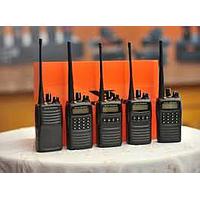
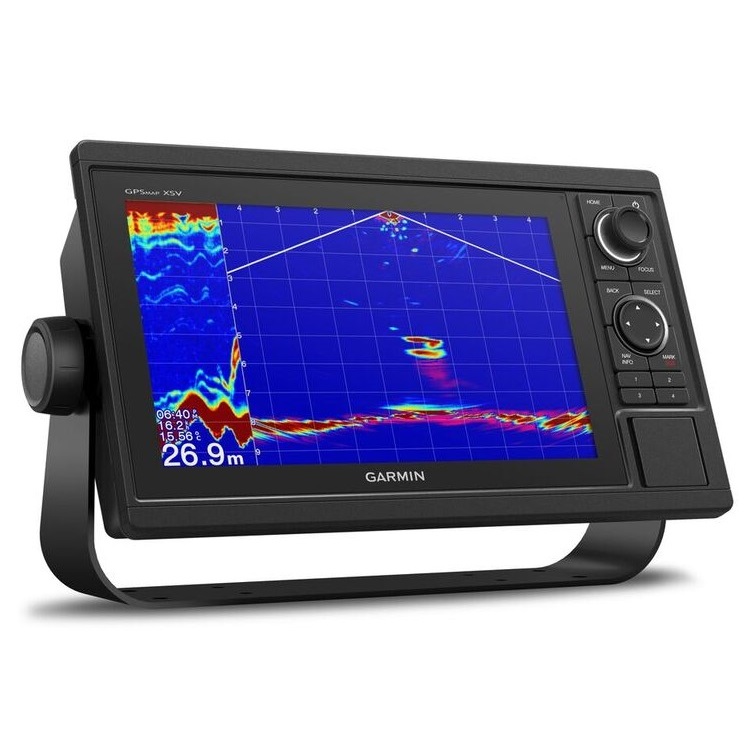
The scope of this category is broad enough to support several types of portable equipment rather than focusing on a single product line. It can include two-way radios, GPS navigators, binocular-related devices, and supporting test instruments used to check radio station performance. That makes it especially useful for organizations managing mixed equipment across operations, maintenance, logistics, or security teams.
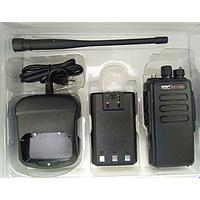
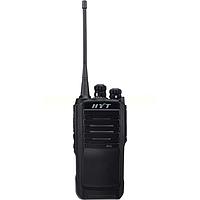
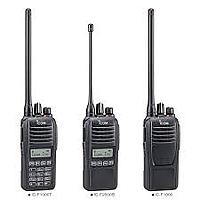
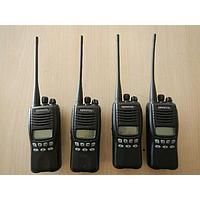
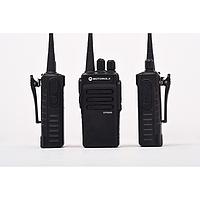
Examples from this category include MOTOROLA handheld radio repair, Kenwood Walkie-talkie Repair Service, ICOM Walkie-talkie Repair Service, T-Way Walkie-talkie Repair Service, and Vertex Standard Walkie-talkie Repair Service. For users working with radio test equipment, the Kontour Radio stations tester Repair Service is also a relevant example within the same ecosystem of field communication support.
Common repair needs in real operating environments
Portable communication and navigation devices usually fail in ways that reflect actual use conditions rather than laboratory conditions. A unit may turn on but lose stable transmission, a GPS device may suffer from screen or input issues, or optical equipment may show mechanical wear after repeated transport. In service-intensive environments, these problems often appear gradually and can be overlooked until they disrupt daily work.
Functional diagnosis is important because similar symptoms can come from different root causes. For example, a charging issue may relate to the battery path, connector damage, or internal power circuitry. Audio distortion may point to the speaker, microphone chain, or signal processing section. A structured repair workflow helps identify the likely fault area before deciding on the next service step.
Brand coverage and equipment ecosystem
This category includes repair demand across several widely used portable radio brands. Businesses maintaining mixed fleets may need support for equipment from Kenwood, MOTOROLA, ICOM, Vertex Standard, T-Way, KBC, or Kontour-related test tools. Mentioning brand-specific service options helps buyers quickly identify whether the equipment in use matches the repair scope available on the site.
Representative service listings in this category include MOTOROLA Walkie-talkie Repair Service, Kenwood Walkie-talkie Repair Service, ICOM Walkie-talkie Repair Service, Vertex Standard Walkie-talkie Repair Service, T-Way Walkie-talkie Repair Service, and KBC Walkie-talkie Repair Service. Rather than treating every device the same, repair evaluation should consider the equipment type, usage intensity, visible damage, and whether the unit is part of a larger deployed system.
How to evaluate the right repair path
For B2B buyers, the best repair decision usually depends on equipment condition, operational urgency, and the role of the device in the workflow. A radio used for routine internal communication may require a different service priority from a unit used in safety-related coordination or field dispatch. Likewise, a radio stations tester may need careful attention because it supports inspection or verification work for other communication devices.
It is helpful to check whether the issue is isolated to one unit or recurring across multiple devices in the same fleet. If several units show similar symptoms, the problem may be linked to usage patterns, charging practices, storage conditions, or accessory wear. Buyers managing broader maintenance needs may also explore related services such as DC/AC power supply repair when troubleshooting bench equipment or support hardware used alongside communication devices.
Related repair needs around testing and diagnostics
Communication equipment is often checked together with other electronic instruments during maintenance and fault tracing. If a workshop or service department handles radios, test gear, and electrical accessories together, it may also be useful to review oscilloscope and logic analyzer repair services. This is particularly relevant when diagnosis depends on waveform observation or signal path verification.
Service continuity matters when multiple equipment groups support the same operation. A faulty handheld radio may be the visible issue, but reliable repair processes often depend on the condition of chargers, power devices, and diagnostic instruments in the background. Looking at related repair categories can therefore help maintenance teams plan more efficiently.
Why this category matters for business users
Replacing all field devices at the first sign of failure is rarely the most efficient option for industrial users, service providers, or organizations with established equipment fleets. Repair service supports lifecycle management by helping companies restore functionality, control operating costs, and keep familiar equipment in use where replacement is not yet necessary. This is especially relevant when teams already work with standardized radio brands and established operating procedures.
For procurement, maintenance, and technical teams, a well-structured repair category also makes it easier to identify compatible service options without searching across unrelated product pages. The presence of brand-specific entries such as Kontour Radio stations tester Repair Service or MOTOROLA Walkie-talkie Repair Service gives clearer direction for buyers who already know the equipment family they need to support.
Choosing a suitable service page from this category
If you already know the device type, the most efficient approach is to select the closest matching service listing by brand or equipment group. Walkie-talkie repair pages are appropriate for handheld communication devices, while radio stations tester repair is more suitable for diagnostic or verification instruments used around radio systems. This helps narrow the request and improves the chances of a more relevant repair workflow.
For businesses handling portable communication, navigation, and field observation equipment, this category provides a practical entry point to repair planning. Reviewing the available service pages by device family and brand can help you choose a repair option that fits the equipment in use, the likely fault scenario, and the role of the unit in day-to-day operations.
Get exclusive volume discounts, bulk pricing updates, and new product alerts delivered directly to your inbox.
By subscribing, you agree to our Terms of Service and Privacy Policy.
Direct access to our certified experts