
GPS Repair Service
When positioning data becomes unstable, delayed, or completely unavailable, day-to-day field work can slow down quickly. In construction, surveying, utilities, logistics, and outdoor inspection tasks, reliable navigation equipment is not just a convenience—it supports accuracy, coordination, and operational continuity. This is why a professional GPS Repair Service is often a practical alternative to premature replacement.
On this page, buyers and maintenance teams can review repair support for GPS-related equipment, understand common service needs, and evaluate when a device is worth restoring to working condition. For organizations managing multiple instruments, repair service can also help extend equipment life and reduce downtime across the fleet.
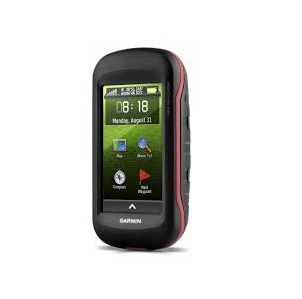
Why GPS repair matters in technical operations
GPS devices are frequently exposed to harsh working conditions, including vibration, dust, moisture, impact, temperature variation, and heavy transport between sites. Over time, these factors may affect signal reception, display performance, charging behavior, connectors, buttons, or general system stability. In many cases, the issue is not immediately visible, but it still reduces confidence in field data and workflow efficiency.
A structured repair process helps identify whether the problem is related to power, communication, antenna performance, internal components, or wear caused by repeated use. Instead of treating every failure as a full device replacement scenario, repair service gives technical teams a more measured path to restore functionality where feasible.
Typical issues addressed by GPS repair service
Service requests for GPS equipment often begin with symptoms such as failure to power on, inconsistent satellite lock, charging problems, damaged screens, unresponsive controls, or physical connector wear. Some devices may still start normally but show unstable operation during field use, which can be just as disruptive as a complete failure.
Repair evaluation is especially useful when faults appear intermittently. A device that works in the workshop but fails under mobile or outdoor conditions may require closer inspection of its internal connections, housing integrity, or power-related components. For businesses that depend on repeatable location data, early repair can prevent a small fault from becoming a larger operational interruption.
Service scope and example offering
This category focuses on repair support for GPS equipment, including solutions such as the CEM GPS Repair Service. The purpose of this type of service is to assess the condition of the unit, determine the likely source of failure, and carry out the necessary corrective work where appropriate.
For buyers already standardizing around equipment from CEM, repair services can fit into a broader maintenance strategy that balances uptime, equipment replacement planning, and budget control. Rather than viewing repair as a one-time emergency response, many organizations use it as part of an ongoing asset care approach for field instruments.
How to decide whether repair is the right option
Not every faulty unit should be repaired, and not every problem requires replacement. A useful starting point is to consider the age of the device, the severity of the fault, the role it plays in operations, and whether the issue affects core usability or only external parts. Equipment used in recurring site activities often justifies repair when restoring it can return the device to dependable service without interrupting team workflows for too long.
It is also important to look at the broader cost of downtime. If a non-functioning GPS device delays inspections, route verification, field reporting, or team coordination, the indirect business impact may exceed the visible hardware issue. In these cases, timely service can be more valuable than waiting for complete failure or relying on temporary workarounds.
What business buyers should prepare before requesting service
To speed up the repair process, it helps to document the fault clearly before sending equipment for inspection. Note whether the device fails continuously or only under certain conditions, whether the issue began after impact or exposure, and whether accessories, chargers, or data cables were changed recently. This kind of usage history supports more efficient troubleshooting.
For B2B customers managing several units, keeping model references, asset IDs, and fault descriptions organized can make repair intake much smoother. If your operation also uses other communication or test devices, related service categories such as walkie-talkie repair service or radio stations tester repair service may also be relevant when planning maintenance across a mixed equipment base.
Repair service in a broader equipment lifecycle strategy
For many organizations, repair is one part of a wider equipment lifecycle plan that includes inspection, preventive care, replacement timing, and service tracking. GPS devices are often used alongside radios, testers, and other portable electronics in field environments, so maintenance decisions tend to affect more than one device category.
Using a dedicated GPS equipment repair service helps centralize support around a category of tools that directly influences navigation and location-dependent tasks. This can be especially useful for teams that need a practical service channel instead of ad hoc repairs or inconsistent local fixes.
Choosing a suitable repair path
A good service decision is usually based on clarity rather than urgency alone. Buyers should look for a repair option that aligns with the type of device in use, the operational importance of the unit, and the need for consistent function after service. In technical B2B settings, the right repair path is the one that supports uptime, traceability, and sensible cost control.
If your GPS equipment is showing performance issues, physical damage, or unstable behavior in the field, this category provides a focused starting point for evaluating service options. With the right assessment and repair support, businesses can often restore useful equipment to operation and maintain continuity across demanding field applications.
Get exclusive volume discounts, bulk pricing updates, and new product alerts delivered directly to your inbox.
By subscribing, you agree to our Terms of Service and Privacy Policy.
Direct access to our certified experts
