For full functionality of this site it is necessary to enable JavaScript.
EMIN.COM.MM
0

Is Optical Fusion Splicing Necessary for 5G Infrastructure Maintenance?

11/27/2025 11:44:10

Did you know that for a 5G network to operate efficiently and stably, the infrastructure must always be in top condition? With its wide bandwidth, low latency, and high-speed connectivity, 5G networks demand a professional fiber optic infrastructure to transmit data seamlessly without interruption. Therefore, maintaining 5G infrastructure has become a critical factor in sustaining service quality.

What is the current state of 5G infrastructure?

Fiber optic infrastructure plays the role of the "backbone" of the 5G network. The maintenance process involves periodic inspections, rapid detection of cable faults, and immediate remediation. Modern techniques assist in detecting breaks or signal attenuation, allowing for precise repair solutions that save time.
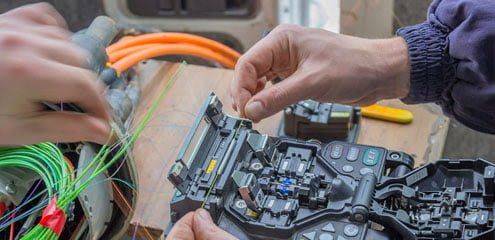
Network fiber optic maintenance

How do you fix broken optical fibers?

A fiber optic fusion splicer helps join two fiber ends with extreme precision by using an electric arc to melt and fuse the cables together. For example, the SKYCOM T-307H stands out with its automatic core alignment technology, allowing for rapid splicing in just a few seconds with low splice loss.

This machine also features a heating mode to protect the splice sleeve, ensuring long-term durability even in harsh weather conditions. Its sharp, easy-to-use touchscreen allows even beginner technicians to work effectively. A high-capacity battery enables hundreds of continuous splices without work interruption. Thanks to the excellence and durability of this machine, the optical splicing process in network maintenance becomes much easier.

Furthermore, using a fusion splicer saves time compared to traditional mechanical splicing methods while minimizing signal loss, helping to maintain optimal performance for every transmission line in the 5G system.

Common errors with fusion splicers and how to handle them

During the use of a fusion splicer, you may encounter some common errors:

Dust and Debris: Dirt accumulating in the V-groove or on the cameras can prevent the machine from accurately recognizing the fiber, leading to improper splices. Regular cleaning with alcohol and soft cotton swabs is essential to maintain machine efficiency.

Oxidized Pads: Oxidized fiber clamp rubber pads can cause the fiber to slip or become misaligned. In this case, you may need to clean or realign the grooves to correct the splicing position.
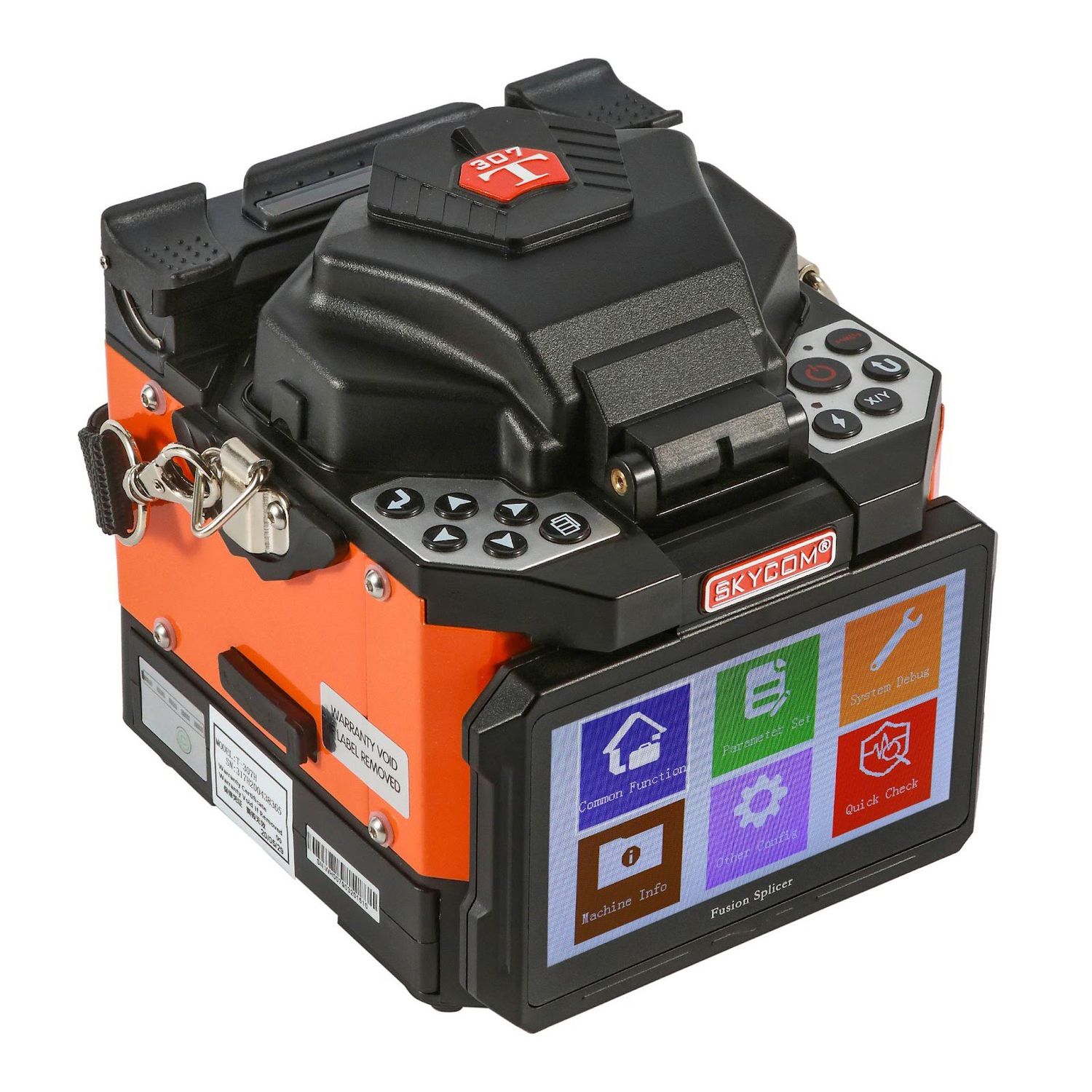
SKYCOM T-307H Fiber Optic Fusion Splicer

Conclusion

Maintaining 5G infrastructure through optical fusion splicing is an indispensable step in preserving stable, high-speed network services. Using the right machine will allow you to easily perform infrastructure maintenance, minimize incidents, and extend the lifespan of the telecommunications system in general and the fiber optics in particular.


Related News

What is the required TDS level for shrimp ponds?
06/12/2026 14:26:27

What is the ideal TDS level for a shrimp tank? Many people spend a lot of time monitoring pH, temperature, and filtration systems but overlook TDS. Only when shrimp grow slowly, their colors fade, they have difficulty molting, or die off sporadically do they start checking their water source and discover that this indicator has long been out of the right range

Signs that the electrodes in your TDS meter are degraded and need replacing
06/12/2026 11:43:51

TDS meters can operate reliably for many years, but the electrodes are the most subject to wear and tear. Each time a measurement is taken, the sensor surface comes into direct contact with water, dissolved minerals, and various other chemical components. This continuous process means the electrode's responsiveness gradually decreases over time.

Can metal detectors locate underground pipes and cables?
06/10/2026 19:17:37

Metal detectors operate on the principle of passive electromagnetic induction and can only detect isolated metal objects such as gold, copper, and iron. These devices cannot trace utility paths because they cannot differentiate the direction or depth of long, buried continuous pipes. For insulated electrical cables or plastic pipes, metal detectors are completely ineffective as there is no AC current to generate a magnetic field. Furthermore, the detection depth of standard consumer metal detectors is typically limited to 1 - 2 meters for small objects, whereas underground utility lines are often buried 3 - 5 meters deep or even more.

Stay Updated with Offers

Get exclusive volume discounts, bulk pricing updates, and new product alerts delivered directly to your inbox.

By subscribing, you agree to our Terms of Service and Privacy Policy.

Quick Support

Direct access to our certified experts