For full functionality of this site it is necessary to enable JavaScript.
EMIN.COM.MM
0

Factors affecting the electrical conductivity (EC) in soil

04/11/2026 09:31:50

According to specialized literature, the electrical conductivity (EC) of soil is typically between 0.2 and 1.2 mS/cm. This is the range within which plants can absorb nutrients relatively stably. When it falls below this threshold, the amount of dissolved ions is insufficient, leading to nutrient deficiencies. When it exceeds this threshold, the salt content increases, affecting plant growth.

Electrical conductivity (EC) in soil is not constant but changes depending on the environmental conditions and characteristics of the soil. This article will clarify this.

Temperature and soil characteristics affect the electrical conductivity (EC) of the soil

The temperature of soil, water, and air directly affects the mobility of ions. As temperature increases, ions become more mobile, thus increasing the EC (Electrostatic Pressure) index. Conversely, as temperature decreases, ion movement slows down, and conductivity also decreases.
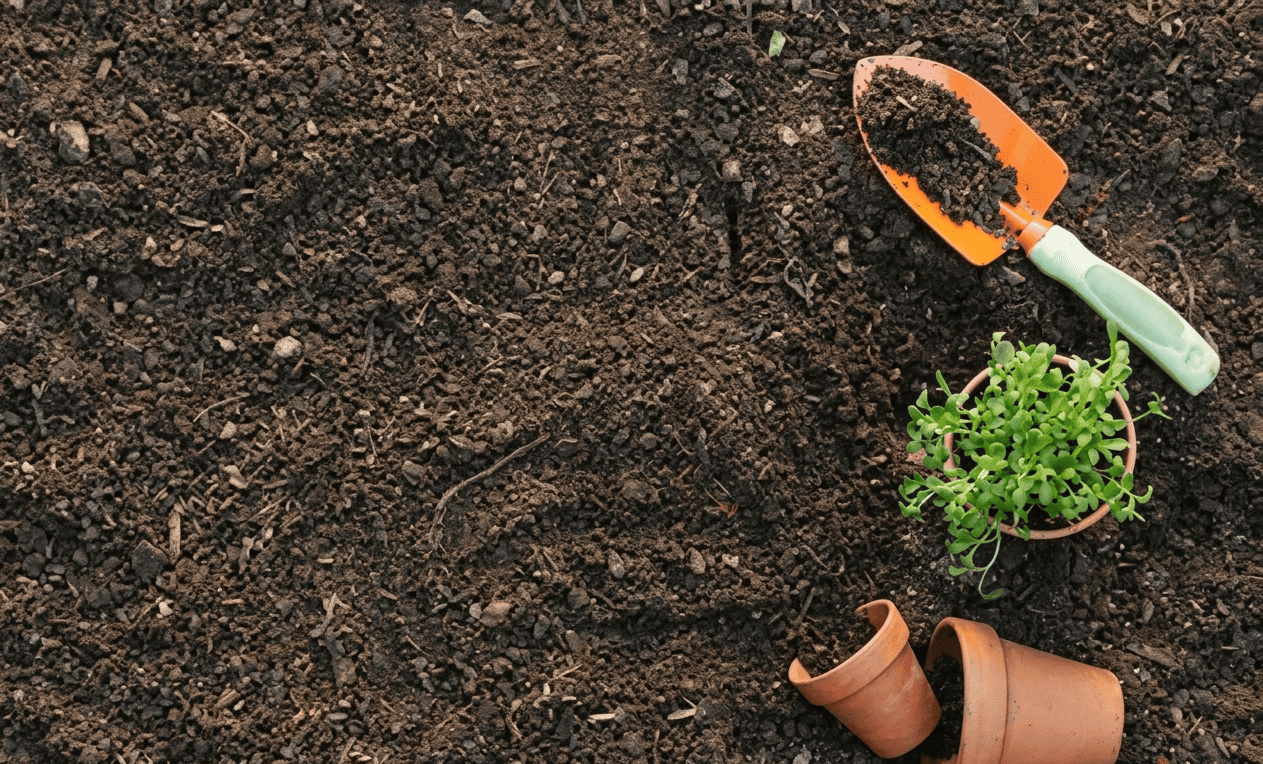
In addition, soil structure determines its water retention capacity and ion distribution. In dry conditions, ions are more tightly bound to soil particles, making movement difficult. With sufficient moisture, water helps dissolve and release ions, increasing conductivity.

Electrical conductivity depends on the type of substance and the degree of ion dissociation; this is analyzed in more detail in the article Ranking the Best Electrical Conductors Currently Available

Differences between soil types are also evident in the EC index. Sandy soils retain water poorly, so they usually have low EC. Clay or loamy soils retain moisture better, creating conditions for ions to exist and move, resulting in higher conductivity. Soils with balanced water retention and drainage capabilities tend to have more stable EC values.

Irrigation water, fertilizers, and soil depth alter electrical conductivity

Irrigation water carries dissolved substances that can alter the ion concentration in the soil. If the water contains a high salt content, conductivity will gradually increase over time. Conversely, rainwater or water sources with low mineral content can reduce salt concentration around the root zone.

Fertilizers directly supplement nutrient ions, thus significantly affecting EC. When used in high amounts, the accumulated salts in the soil will increase conductivity. If the threshold is exceeded, this excess can be detrimental to plants.

In addition, the depth of the soil layer also makes a difference in EC. The topsoil is usually rich in nutrients, suitable for root development. If the underlying soil contains a lot of clay or is near bedrock, the potential for ion accumulation may be higher, thereby altering conductivity.
Related News

Tips for Optimizing Temperature and Chemicals for Spotless Ultrasonic Cleaning Tanks
08/24/2026 15:53:39

If you operate a workpiece cleaning system in your workshop or have recently invested in an ultrasonic cleaner, you have likely encountered situations where the machine runs for ten minutes or more, yet stubborn grease and rust remain completely unaffected. Many people mistakenly believe that simply filling the tank with plain water and turning the machine on is enough; in reality, this approach wastes up to 70% of the technology's ultrasonic cleaning power

The Role of Electrical Safety Testers in Electric Vehicle Production
08/24/2026 10:31:22

Electrical safety testers are used to test high-voltage circuits and electrical assemblies associated with the drivetrain, battery, and charging systems. These tests help identify insulation defects, problems in protective earth paths, and insufficient dielectric withstand capability before a product moves to the next production stage or is released for shipment.

Dakota CX – Ultrasonic Thickness Gauges for Measuring Through Coatings up to 2 mm
08/24/2026 10:12:42

In non-destructive testing (NDT), ultrasonic thickness gauges allow users to determine material wear and corrosion without dismantling components or cutting samples. Dakota NDT has developed the CX and PCX8-DL series with a focus on fast measurements, simple operation, and a range of functions for on-site thickness inspection.

Stay Updated with Offers

Get exclusive volume discounts, bulk pricing updates, and new product alerts delivered directly to your inbox.

By subscribing, you agree to our Terms of Service and Privacy Policy.

Quick Support

Direct access to our certified experts