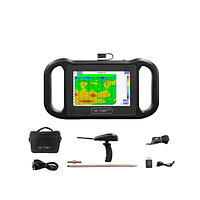
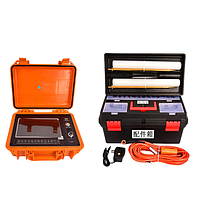
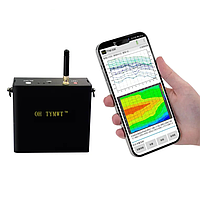
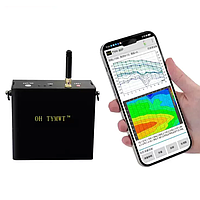
Mapping Water Detector
When underground water location or leak investigation becomes part of a project, relying only on intuition or manual methods is rarely enough. Buyers in drilling, facility maintenance, utilities, and technical inspection usually need equipment that helps them detect water presence, trace problem areas, and respond faster with clearer field information. That is where Mapping Water Detector products fit into a more practical workflow.
In this category, the focus is not just on one type of instrument. It includes solutions used to detect water leaks, identify moisture-related risk points, and support field inspection in environments such as AHUs, data centers, industrial sites, and water-related maintenance work. Depending on the task, users may need fixed-point leak detection, sensing tape for linear coverage, or listening tools that support manual investigation in the field.
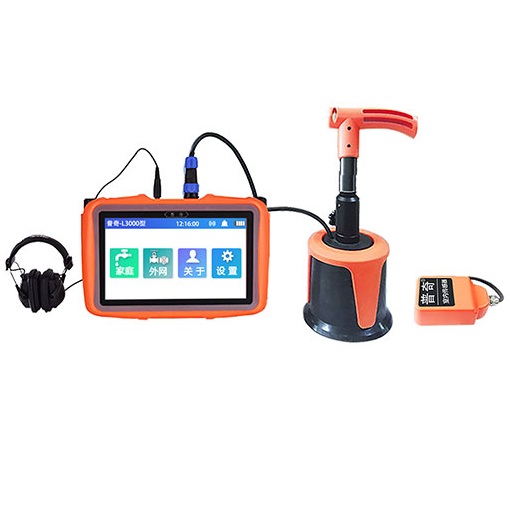
Where mapping water detection equipment is commonly used
Water detection is relevant in more places than well drilling alone. In many industrial and commercial settings, the priority is early warning before leakage causes damage to electrical systems, floors, insulation, IT infrastructure, or HVAC assets. This is especially important in locations where even a small leak can create costly downtime.
Typical applications include mechanical rooms, raised-floor spaces, air handling units, piping runs, utility areas, and data centers. Some users also combine leak detection with broader measurement and inspection routines that involve flow monitoring, system balancing, or support tools such as indicating flow meters when checking overall water movement in a system.
Product types in this category
A practical way to evaluate this category is to separate point leak detection, linear sensing, and field listening tools. Each serves a different role, and choosing the right one depends on whether you need continuous monitoring, localized alarm response, or manual tracing during inspection work.
For linear coverage, the Dwyer TP05, TP10, TP15, and TP25 water detection sensor tapes provide different tape lengths while keeping the same basic concept: monitor extended areas where conductive liquid contact must be detected. These are suitable when the risk area follows a perimeter, cable route, drip edge, or equipment base. For a more complete leak sensing setup, the Dwyer WD water detection sensor tape solution acts as the associated sensing and switching component within a control or alarm system.
For localized detection, the Dwyer WD3 series is designed for water leak alerting in environments such as AHUs and data centers. Models such as WD3-LP-D2, WD3-LP-D2-10, WD3-LP-D2-26, and WD3-LP-D2-30 illustrate how cable length options can matter during installation. Variants like WD3-LP-D2-A and WD3-BP-D1-A add audible alarm functionality, which may be useful where immediate on-site notification is required.
Featured manufacturers and solution approach
Dwyer is the main brand represented in this category context, particularly for leak detection products aimed at low conductive liquids, water-sensitive infrastructure, and building-system protection. Its lineup here shows a clear ecosystem approach: sensing tape for area coverage and leak detectors for alarm and monitoring functions. That makes the category relevant not only for replacement purchases, but also for designing a new detection layout around vulnerable equipment.
FUJI TECOM appears in this category with the LSP-1.5 Listening Stick, a tool that supports manual acoustic investigation. While different from fixed leak sensors, a listening stick can be useful during inspection routines when technicians need to check suspected piping or water-related noise paths on site. In other words, this category can support both installed monitoring and field diagnosis.
How to choose the right mapping water detector
The first selection factor is the detection method. If the risk extends over a line or surface edge, sensor tape is usually more appropriate than a single-point detector. If the requirement is a specific alert at a known location, a compact leak detector with visual or audible indication may be the better fit.
The second factor is the installation environment. For technical spaces such as data centers or HVAC equipment zones, buyers often look at enclosure suitability, power type, switching output, and available cable length. In the Dwyer WD3 range, for example, some versions use AC/DC supply while another version is battery powered, which may influence installation flexibility and maintenance planning.
The third factor is the type of liquid or media involved. Several products in this category are intended for conductive liquids, acid solutions, saltwater, or water. That distinction matters because sensing performance depends on the medium being detected. It is also worth considering how the detector will interface with alarms, control panels, or building systems if the application is part of a broader automation setup.
Understanding sensor tape and leak detector roles
Sensor tape is generally used to extend detection across a path where leaks are likely to travel. This is useful below pipes, around equipment curbs, along floor edges, or near tanks and trays. Instead of waiting for water to collect at one point, the tape allows earlier detection across the monitored route.
Water leak detectors, by contrast, are often selected when the goal is direct signaling. In the WD3 series, users can identify options with LED indication, switching outputs, and in some versions an audible alarm. For maintenance teams, this can make fault identification faster, especially in rooms where regular visual checks are limited.
In projects that involve broader water system evaluation, leak detection may sit alongside products used for measuring flow or checking line condition. Related categories such as electromagnetic flow meters or flow measurement accessories can help support a more complete monitoring strategy when detection is only one part of the job.
Typical buying considerations for B2B users
For industrial and facility buyers, the decision is rarely based on price alone. A better question is how the device fits the operating scenario: permanent monitoring, temporary inspection, retrofit work, or maintenance troubleshooting. Cable length, alarm style, mounting approach, supply power, and output type all affect deployment time and integration effort.
Another practical consideration is serviceability. A simple battery-powered alarm model may be suitable for standalone warning, while a powered detector with relay output may be easier to integrate into BMS, alarm panels, or facility controls. For field teams that investigate hidden issues in piping or building systems, a manual inspection tool like the FUJI TECOM LSP-1.5 can complement installed sensors rather than replace them.
Why this category matters in preventive maintenance
Undetected water ingress can lead to corrosion, insulation damage, slip hazards, equipment shutdowns, and expensive repair cycles. In critical facilities, early leak detection is often less about convenience and more about protecting uptime. That is why this category is relevant to preventive maintenance programs, commissioning work, and infrastructure risk reduction.
Choosing the right solution starts with understanding the coverage area, the liquid type, and how alerts should be handled after detection. Whether the need is a Dwyer sensing tape for linear monitoring, a WD3 leak detector for local alarm response, or a listening stick for field investigation, the products in this category support practical water detection tasks across a range of technical environments.
If you are comparing options, it helps to define the application first: continuous monitoring, leak localization, or inspection support. From there, selecting a suitable mapping water detector becomes much more straightforward and leads to a system that is easier to install, use, and maintain.
Get exclusive volume discounts, bulk pricing updates, and new product alerts delivered directly to your inbox.
By subscribing, you agree to our Terms of Service and Privacy Policy.
Direct access to our certified experts