Analytical chemistry equipment
Reliable analytical work depends on more than a single instrument. In teaching labs, research environments, and practical training setups, users often need a combination of volumetric glassware, titration tools, sensors, and optical measurement devices that support accurate observation and repeatable results. This is where analytical chemistry equipment becomes essential across routine experiments and structured laboratory exercises.
This category brings together equipment used for common analytical workflows such as titration, pH measurement, and basic spectral analysis. It is particularly relevant for educational and laboratory contexts where hands-on learning, method development, and clear measurement results matter just as much as the hardware itself.
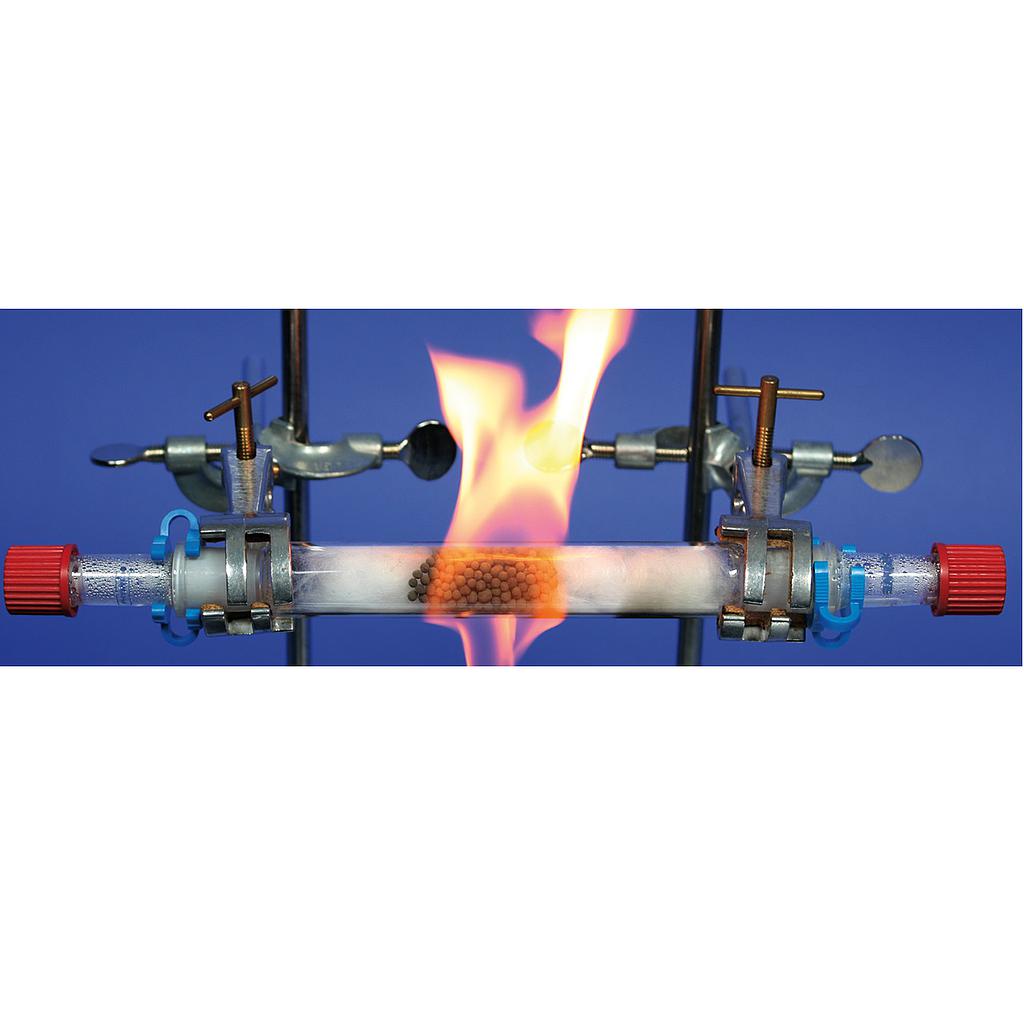
Equipment used in core analytical chemistry tasks
Analytical chemistry often focuses on identifying substances, determining concentration, and comparing sample behavior under controlled conditions. In practice, this means working with equipment that supports precise liquid handling, stable measurement conditions, and clear result interpretation. Typical examples include burettes for titration, pH tools for acid-base analysis, and compact spectrophotometers for optical measurements.
For users building a practical lab setup, this category fits naturally alongside general chemistry equipment when broader foundational tools are also required. Where the focus shifts toward measurement quality and analytical procedures, the products here provide a more application-specific layer within the chemistry workflow.
Typical product types in this category
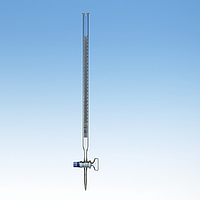
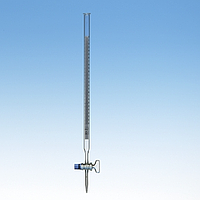
A large part of analytical chemistry still relies on dependable volumetric measurement. Burettes remain central to titration because they allow controlled reagent delivery and visible reading of dispensed volume. In this range, examples such as the PHYWE 47152-01 Burette With Straight Glass Stopcock (10 ml, 0,05 ml), PHYWE 47153-01 Burette With Straight Stopcock (25 ml, 0.1 ml), and PHYWE 47154-01 Burette With Straight Stopcock (50 ml, 0.1 ml) illustrate how different capacities and graduations support different levels of dosing precision and sample volume.
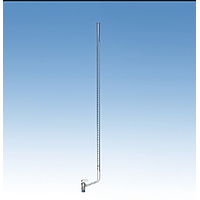
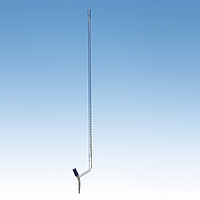
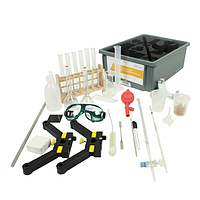
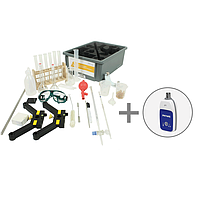
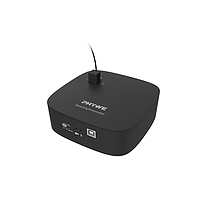
There are also side-stopcock variants for users who prefer that configuration in laboratory handling, including PHYWE 47150-01 and PHYWE 47151-01. For broader educational use, complete sets such as the PHYWE 25303-88 Student Set Titration And Analytical Chemistry and the digital PHYWE 25303-88D version help assemble a ready-to-use learning environment rather than sourcing each component separately. When optical analysis is part of the experiment, the PHYWE 35630-00 Fibre-Optics Compact Spectrophotometer extends the category into visible-range spectral measurement without requiring a separate light source.
How analytical chemistry equipment supports teaching and lab practice
In educational laboratories, equipment selection is often influenced by repeatability, ease of setup, and suitability for guided experiments. A student titration set, for example, is not just a collection of glassware; it supports a complete exercise in reagent handling, endpoint detection, and result calculation. This makes bundled systems especially useful in classroom and training environments where consistency across multiple workstations is important.
Digital elements can also improve the learning process. The PHYWE 25303-88D Student Set Titration And Analytical Chemistry Digital includes a Bluetooth pH sensor, which helps connect classical wet chemistry with modern data acquisition. In applications where physical chemistry concepts overlap with concentration analysis and solution behavior, users may also explore related physicochemical equipment to broaden their laboratory capability.
Choosing between burettes, sets, and spectrophotometers
The right choice depends on the measurement task. If the main requirement is manual titration, the priority is usually burette capacity, graduation, stopcock design, and handling comfort. A 10 ml model may be suitable for finer dosing in smaller-volume work, while 25 ml and 50 ml versions are often preferred for standard titration procedures with larger reagent consumption.
If the goal is to equip a teaching station quickly, a complete student set can be more practical than assembling individual pieces one by one. These sets help ensure that basic accessories, support components, and essential lab items are aligned for the intended exercise. For users who need light-based analysis of absorption or emission behavior, a compact spectrophotometer is a better fit because it supports spectral measurement rather than volumetric dosing.
Why manufacturer consistency can matter
For many laboratories, staying within one product ecosystem can simplify procurement, compatibility, and training. This category prominently features PHYWE, a manufacturer widely associated with educational and laboratory equipment. Using products from the same brand can make it easier to standardize practical exercises, replace components, and maintain consistency across multiple benches or student groups.
That said, the value of a product should still be considered in relation to the experiment. A compact spectrophotometer serves a very different purpose from a burette with a straight or lateral stopcock. Looking at the intended analytical method first will usually lead to a more efficient purchasing decision than choosing only by format or familiarity.
Application areas and related chemistry workflows
Analytical chemistry equipment is used wherever a sample must be assessed through measurable chemical behavior. Common examples include acid-base titration, solution preparation, concentration comparison, and simple optical observation of substances across a defined wavelength range. In educational settings, this equipment also supports method training, laboratory technique development, and data interpretation skills.
Some users may need adjacent categories depending on their curriculum or workflow. For substance-specific study, organic chemistry equipment or inorganic-focused tools may be relevant, while more advanced structural or spectral topics can connect with atomic and molecular chemical equipment. This helps position analytical chemistry as part of a broader lab ecosystem rather than a standalone set of products.
What to review before ordering
Before selecting equipment, it is useful to define the experiment type, the number of users or groups, and whether the setup is intended for instruction, demonstration, or regular laboratory work. For burettes, check volume and graduation in relation to the expected precision of the titration. For complete sets, review whether the included components match the workflow and whether additional consumables or accessories are needed.
For spectrophotometer-based work, pay attention to wavelength coverage, connection method, and how samples or light sources will be introduced into the system. Small differences in configuration can significantly affect ease of use in teaching labs or compact workspaces. A clear understanding of the application will help narrow the category to the products that genuinely support the intended method.
Finding the right setup for analytical work
Whether the need is a single burette, a structured student kit, or a compact optical instrument, the products in this category support practical analytical tasks with a focus on measurement and laboratory technique. The best choice usually comes from matching the equipment to the experiment, the user level, and the working environment rather than simply choosing the most complex option.
By comparing handling style, measurement purpose, and setup requirements, buyers can build a more effective laboratory solution for titration, pH analysis, and spectral observation. A well-matched analytical chemistry setup improves not only workflow efficiency, but also the clarity and reliability of the results produced.
Get exclusive volume discounts, bulk pricing updates, and new product alerts delivered directly to your inbox.
By subscribing, you agree to our Terms of Service and Privacy Policy.
Direct access to our certified experts