The light source in the cabinet plays an important role in evaluating the color quality of products in many industrial fields. During the production process, checking the color quality of the product is an indispensable step. To do this job, manufacturers often use a colorimetric cabinet, a device that is allowed to review the color quality of the product under different lighting conditions. In this article, we will explore the light sources in cabinet color and how they affect product color quality inspection.
What is a color comparison cabinet? Concept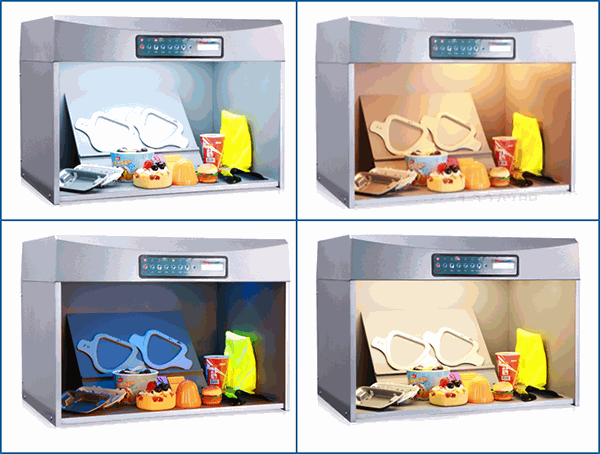
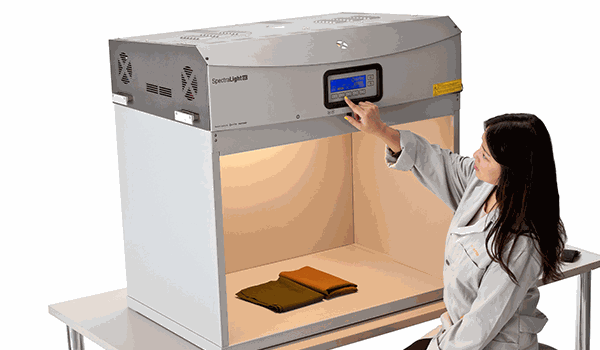
In industrial production sectors such as garments and textiles, color plays an important role in assessing product quality, attracting attention and satisfying consumer preferences. To ensure that colored products meet quality standards, the use of color cabinets is indispensable.
This color cabinet is designed with standard light sources, simulating natural sunlight conditions. This allows testers to place samples in the cabinet and observe colors without being affected by changing brightness of weather conditions such as rain, sunshine or sound. The color cabinet provides reliable information and creates the best safe conditions for making important decisions about color under standard brightness levels. This helps highlight problems, making the product quality analysis process clearer.
Why do we need to use color matching cabinets?
Humans have the ability to see things thanks to the light sensing process of cells in the retina, transmitting signals to the brain. To see color, there needs to be enough light, and our eyes respond to three different wavelengths:
Short wavelength (S) – produces blue color (absorption peak ≈ 445 nm)
Medium wavelength (M) – produces green color (absorption peak ≈ 535 nm)
Long wavelength (L) – produces red color (absorption peak ≈ 565 nm)
However, the colors that humans see will vary depending on many factors such as time of day, environmental lighting, and other conditions. The reflection of light from objects determines the colors we see. Therefore, color perception by the human eye is subjective, and the same object may appear different colors to different observers.
To ensure objective color assessment, especially in jobs requiring global color standards, the use of digital tools such as colorimeters is important. These tools, from spectrophotometers to color detectors, help ensure that color evaluation is always done objectively, while also ensuring the quality of the product.
The light sources are in the color comparison cabinet
The light sources in the color comparison cabinet all have specific colors and play an important role in checking the color quality of the product. Specifically, these light sources include light sources D65, A, F and TL84, each providing a different influence in the color evaluation process.
Light source D65: This is an important light source, creating white light, similar to daylight in Europe. Often used to check color quality under natural light.
Light source A: This light source has a reddish yellow color, creating light similar to an average lamp. Often used to test color in low temperature lighting conditions or warm color environments.
Light source F: The blue color of light source F creates light similar to spring light. Used to test color quality in blue light conditions.
Light source TL84: Blue-white color, similar to the light of a white fluorescent lamp. Use to test color in retail or industrial lighting conditions.
Color comparison cabinet and the influence of light sources
The light sources in the color comparison cabinet not only affect the process of checking the color quality of the product, but also create different effects based on their color. Choosing the right light source plays an important role in ensuring that the inspection process is accurate and meets color standards.
For example, using an F light source to examine a green-colored product can make the product look fresh and vibrant. On the contrary, if the TL84 light source is applied, the product may become pale and lack light.
Additionally, factors such as light reflected from surfaces in the colorimeter cabinet, as well as how the lights are installed, also contribute to variation in color quality. Uneven lighting installation can create differences in product visualization depending on the location in the color comparison cabinet.
For the purpose of checking the color of a product, it is necessary to clearly determine the intended use of that product to choose the appropriate light source. For example, cosmetic products may require different light sources than apparel products.
Finally, to ensure color quality test results are accurate and reliable, it is important to perform periodic checks on the light sources in the colorimeter to ensure that they are still functioning properly. style and compliance with current color standards.
Conclude:
EMIN Vietnam is a trusted partner providing colorimeter solutions and many other solutions suitable for many industries such as plastics, textiles, research, etc. We are committed to bringing the leading equipment on the market from reputable partners globally.
If you are facing the challenge of controlling product color, EMIN Vietnam has a team of experts ready to advise and support you. Please contact us directly via EMIN fanpage to discuss suitable color control solutions, helping your business improve product quality and effectively reduce costs.