From Point Measurement to Microclimate mapping
Air within an enclosed space is not distributed as uniformly as pepople assume. It is entirely normal for temperature and humidity readings to vary across different locations when using a thermo-hygrometer, especially in air-conditioned environments.
Control environmental goes beyond simply knowing the temperature or humidity level it focuses on understanding how these parameters are distributed throughout the entire space. In a technical room, measurements should be taken at a minimum of 3–5 locations, such as near the entrance, close to the air conditioning outlet, near equipment, at the center of the room, and in corners.
From there, the average value can be used to assess overall conditions, while the maximum and minimum values help identify potential risk zones.
Proper Placement of Thermo-Hygrometers
In many cases, temperature and humidity meters function perfectly, yet the readings fail to reflect actual environmental conditions. The issue often lies in how the device is installed and used.
Recommended placement guidelines:
Height of approximately 1.1–1.5 meters (typical breathing or operating zone)
At least 0.5 meters away from walls
Avoid direct exposure to air conditioning airflow
Keep away from heat sources (machinery, direct sunlight)
A sensor placed directly under an air conditioning airflow will quickly register a lower temperature than the actual room average. When positioned too close to a wall, readings can be affected by the wall’s thermal and moisture retention properties. Even placing the device near a doorway can cause short-term fluctuations each time the door is opened.
Importantly, these deviations are not easily perceived by human senses. While people may not distinguish between 60% and 70% relative humidity, for sensitive equipment and materials, this difference is significant.
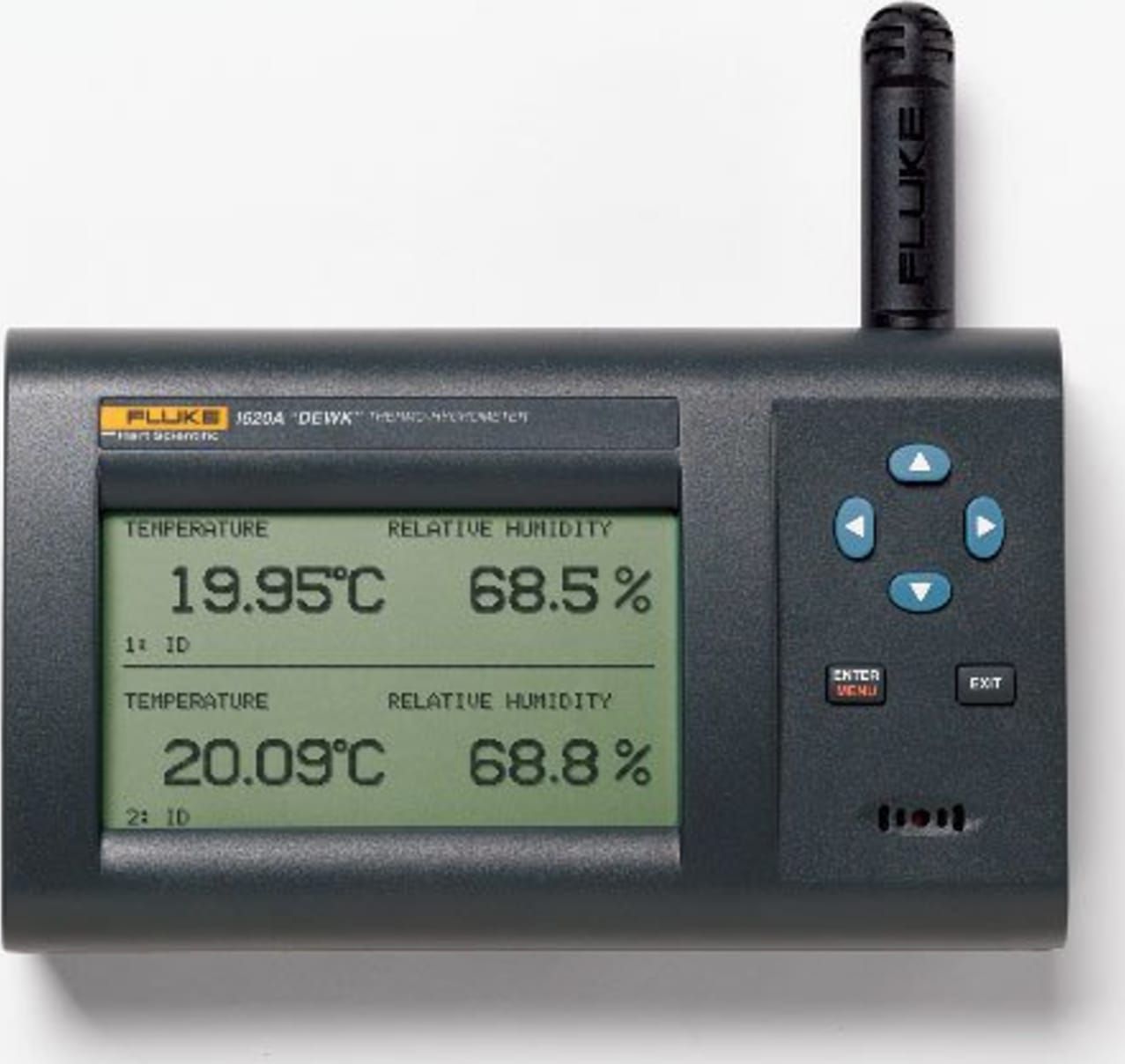
A Continuously Changing Environment
Another often overlooked factor is time. Temperature and humidity are not static values they fluctuate based on air conditioning cycles, occupancy levels, and even the time of day.
A single measurement taken in the morning can different from one taken in the afternoon, when systems have been running continuously and thermal loads have increased. As a result, relying on a one-time measurement often leads to incomplete or inaccurate conclusions.
In environments that require high stability such as server rooms or equipment storage areas monitoring is not just about measurement, but about continuous tracking to understand trends over time rather than relying on a single data point.
This is where temperature and humidity data loggers become essential. They provide continuous measurement, data storage, and real-time analysis, enabling more accurate and proactive environmental control.