Medical equipment electrical safety tester
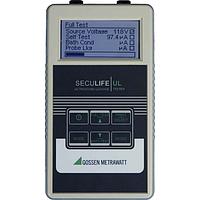
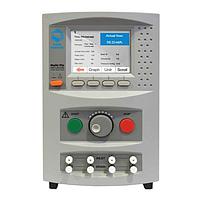
Electrical safety verification is a routine part of working with powered medical equipment, especially where patient contact, leakage current, grounding integrity, and compliance testing all matter. On this page, you can explore medical equipment electrical safety tester solutions used to check whether devices meet expected safety performance during incoming inspection, preventive maintenance, repair, and periodic verification.
These instruments are widely used by biomedical engineers, service teams, hospitals, third-party maintenance providers, and test laboratories. Rather than treating safety testing as a single measurement, this category covers equipment designed to support a broader workflow that may include earth continuity, insulation resistance, mains voltage checks, outlet testing, and different forms of leakage current measurement in line with common medical electrical safety practices.
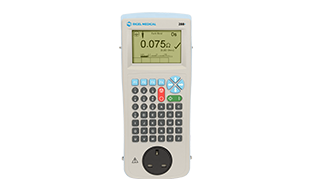
What these testers are used for in practice
A medical electrical safety tester helps verify that a device under test remains safe to operate after installation, servicing, or routine use. In practical terms, that often means checking protective earth resistance, confirming acceptable leakage current behavior, and validating basic electrical conditions at the mains interface before equipment is returned to clinical service.
These checks are relevant across a wide range of medical devices, from general powered equipment to systems with applied parts and patient connections. In many service environments, electrical safety testing is only one step in a larger quality process that may also include performance verification with patient simulation tools or function-specific analyzers depending on the equipment type.
Typical test functions to look for
While capabilities vary by model, many instruments in this category are selected for their ability to perform the core tests needed for biomedical maintenance. Common functions include earth continuity testing, direct and alternative leakage measurements, mains voltage checks, and insulation resistance testing. Some analyzers also support differential leakage measurements, power-related checks, or mains lead verification.
For teams handling a mixed fleet of medical devices, it is often useful to choose a tester that balances test coverage with speed and portability. A compact handheld unit may suit field service and ward-based inspections, while a more feature-rich analyzer may be better for bench testing, documentation-heavy maintenance workflows, or broader compliance programs.
Representative products in this category
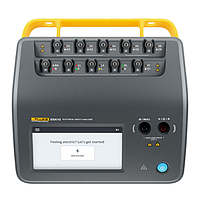
Several established product lines illustrate the range of solutions available. The Fluke (Biomedical) ESA712 Electrical Safety Analyzer is positioned for biomedical electrical safety verification where measurements such as mains-related checks, resistance, and leakage current testing are part of the daily workload. Its specification profile reflects the kind of multi-test capability many service teams expect from a modern analyzer.
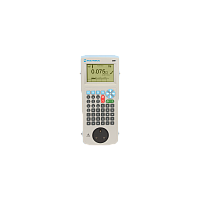
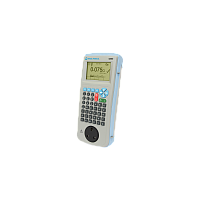
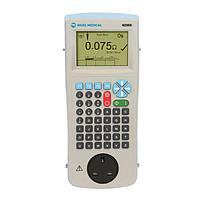
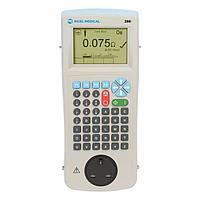
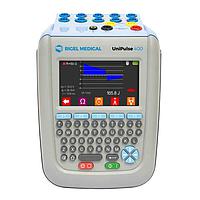
From Rigel medical, the Rigel 62353+ Hand-Held Electrical Safety Analyzer and Rigel 288+ Electrical Safety Analyzers show two useful formats for routine inspection work. These examples are relevant for users comparing portability, test method coverage, and suitability for regular safety procedures. For organizations involved in diagnostic X-ray quality workflows, the Raysafe XDR+ Calibration Certificate is also noteworthy as part of the wider test and calibration ecosystem around Raysafe instrumentation.
How to choose the right medical electrical safety tester
The right selection depends first on your testing environment. A hospital biomedical department may prioritize fast operation, straightforward test sequences, and portability between departments. A service center or inspection lab may place more emphasis on expanded measurement capability, repeatability, and compatibility with internal documentation procedures.
It is also worth considering the types of devices you maintain. Equipment with applied parts, devices that require regular leakage verification, and systems that need insulation or mains lead checks may call for broader functionality. Where electrical safety is only one part of the maintenance process, users often benefit from a setup that works alongside tools for defibrillation testing, infusion verification, or electrosurgical analysis.
Portability, workflow, and service efficiency
In biomedical service work, the tester is not just a measurement device; it is part of the maintenance workflow. Handheld analyzers can reduce setup time when moving between wards, clinics, and service carts. Bench-oriented or more fully featured units may improve consistency when devices are processed in larger volumes or when multiple test steps are performed by different technicians.
Ease of use matters because electrical safety testing is often repeated across many assets. Clear measurement readouts, logical test functions, and practical operating formats can improve throughput without sacrificing confidence in the results. For organizations managing preventive maintenance schedules, these workflow considerations can be just as important as raw measurement range.
Where this category fits in a broader biomedical test setup
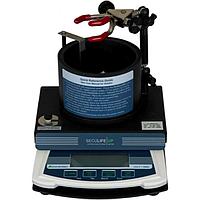
Electrical safety analyzers are often one component of a larger medical device test program. Depending on the equipment under service, users may also work with infusion device analyzers, electrosurgical analyzers, defibrillation testers, or test accessories used to simulate operating conditions. Choosing equipment with the right role in that ecosystem helps avoid both under-specifying and overbuying.
For example, electrical safety testing confirms whether a device is safe from an electrical protection standpoint, but it does not replace performance verification for every clinical function. That distinction is important when building a maintenance bench or expanding a biomedical test capability over time.
Why calibration and documented verification still matter
Even when a tester offers the required functions, long-term usefulness depends on traceability and confidence in the measurement system. Calibration-related items, such as the Raysafe XDR+ Calibration Certificate in the broader product mix, highlight the importance of maintaining test equipment in a condition suitable for dependable service work. This is especially relevant where internal quality systems, audit readiness, or documented maintenance procedures are involved.
In day-to-day operation, a well-maintained analyzer helps reduce uncertainty during pass/fail decisions. That makes calibration status, service support, and consistency across repeated tests practical factors in addition to the headline features of the instrument itself.
Final considerations
This category brings together tools used to assess the electrical safety of medical equipment in real maintenance and inspection environments. Whether you are comparing a portable handheld analyzer, a broader multifunction tester, or related calibration support, the main goal is the same: selecting a solution that fits your device mix, workflow, and testing responsibilities.
If you are reviewing options for hospital biomedical service, third-party maintenance, or regulated inspection work, focus on the test functions you actually perform, the portability you need, and how the analyzer fits into your wider medical device verification process. A well-matched medical electrical safety tester can make routine checks more efficient while supporting safer equipment return-to-service decisions.
Get exclusive volume discounts, bulk pricing updates, and new product alerts delivered directly to your inbox.
By subscribing, you agree to our Terms of Service and Privacy Policy.
Direct access to our certified experts