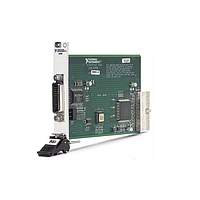
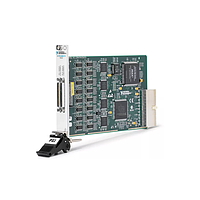
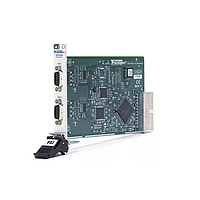
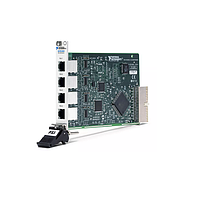
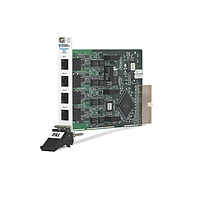
GPIB, Serial, and Ethernet
Many test benches, industrial controllers, and legacy instruments still rely on wired communication interfaces to exchange commands and data reliably. When you need to connect PCs, measurement systems, PLC-adjacent equipment, or serial devices in a lab or production environment, choosing the right GPIB, serial, and Ethernet hardware helps keep integration straightforward and long-term maintenance manageable.
This category focuses on NI interface devices used to bridge host systems and external equipment across common industrial and test communication standards. It is especially relevant for users working with RS232, RS422, and RS485 links, where factors such as channel count, bus type, and isolation can affect both performance and deployment flexibility.
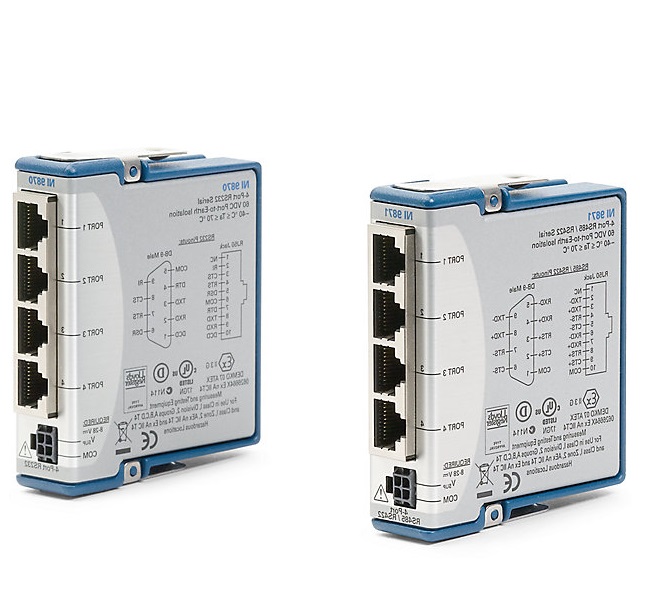
Where these interface devices fit in real systems
Communication hardware in this group is typically used when software must interact with instruments, controllers, data acquisition subsystems, or embedded equipment that still communicate through established physical interfaces. In practice, that may mean adding serial ports to a PC, extending connectivity for automated test stations, or integrating multiple field devices into a single workstation.
These products also sit naturally beside other measurement and automation tools from NI. For example, a serial interface may be used in the same system as oscilloscopes for signal observation or with switching and data acquisition hardware in larger validation setups.
Serial communication options in this category
A large part of this category is centered on serial interface devices for RS232, RS422, and RS485. These standards remain common because they are simple, proven, and well suited to many industrial and instrumentation tasks. RS232 is often used for point-to-point connections with legacy instruments, while RS422 and RS485 are more appropriate where longer distances, multidrop topologies, or improved noise tolerance are required.
NI offers several channel configurations to match different installation sizes. For compact setups, examples include the NI USB-232 Serial Interface Device (1-Channel, RS232) and the NI USB-485 Serial Interface Device (1-Channel, RS485/RS422). For systems that need to manage multiple devices from one host, higher-density models such as the NI USB-232/4 Serial Interface Device and the NI PCIe-8431/8 Serial Interface Device can reduce the need for multiple adapters.
USB versus PCI Express: how to choose
One of the first selection points is the host connection. USB 2.0 interface devices are useful when portability, fast installation, and external expansion are priorities. They are often chosen for engineering laptops, bench testing, temporary setups, or situations where opening a PC chassis is not desirable.
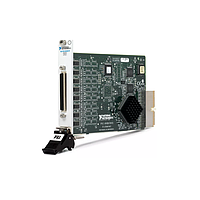
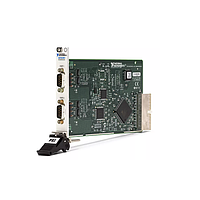
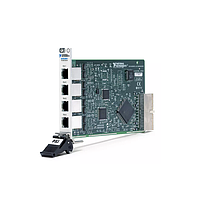
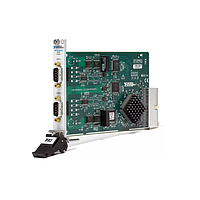
PCI Express models are often a better fit for fixed industrial PCs or rack-mounted systems that need a more integrated internal solution. Devices such as the NI PCIe-8432/2 Serial Interface Device and NI PCIe-8433/2 Serial Interface Device are relevant where a stable embedded test platform is required and available expansion slots make internal installation practical.
If your application spans multiple communication methods or related controller interfaces, it can also help to compare this range with other products in communication interface solutions and nearby instrument categories as part of the wider system design.
Channel count and protocol selection
The right port count depends on how many devices must be connected concurrently and whether those connections need to remain dedicated. A single-channel interface can be enough for commissioning one instrument or replacing a built-in COM port. A 2-channel or 4-channel unit is often more efficient for multi-instrument benches, protocol conversion tasks, or validation rigs with several serial endpoints.
Protocol choice matters just as much. RS232 remains common in older instruments and service ports, but RS485 and RS422 are often preferred in electrically noisy environments and distributed installations. Products in this category reflect those differences, from compact 1-port options to 4-port USB models and higher-density PCIe interfaces designed for broader connectivity.
Why isolation may matter in industrial and test environments
Not every installation requires isolation, but it can become important when systems are spread across different grounds or when communication stability is critical. Port-to-port isolation helps reduce the impact of electrical noise and ground potential differences between channels, which can be valuable in mixed equipment environments.
In this category, models such as the NI PCIe-8433/2 Serial Interface Device for RS485/RS422 and the NI PCIe-8432/2 Serial Interface Device for RS232 include port-to-port isolation, while many USB-based devices listed here do not. That distinction can be useful during early system design, especially when the installation will operate near motors, drives, switching equipment, or other electrically active hardware.
Examples of devices available in this range
For USB-based serial expansion, the NI USB-485/2 and NI USB-485/4 families provide multiple RS485/RS422 channels and are offered in several regional power input variants. These are relevant when a test station or workstation needs several serial links without moving to an internal PCIe architecture.
For RS232 connectivity, the NI USB-232, NI USB-232/2, and NI USB-232/4 devices cover one, two, and four channels respectively. On the PCI Express side, the NI PCIe-8431/8 supports a higher channel count for RS485/RS422 applications, making it suitable for denser serial integration in fixed platforms.
Depending on the broader measurement workflow, users may also review adjacent NI categories such as switches or digital multimeters when building out a complete automated test environment.
What to consider before ordering
Before selecting a device, it is worth confirming the communication standard used by the equipment you need to connect, the number of simultaneous ports required, and whether the host platform supports USB or PCI Express more conveniently. Environmental factors such as electrical noise, grounding conditions, and cabinet layout may also influence whether a non-isolated or isolated model is the better fit.
It is also helpful to think beyond the immediate connection requirement. A project that starts with one serial instrument may later expand to several devices, so choosing a higher channel count early can simplify future scaling. In the same way, selecting the correct interface type at the beginning can reduce integration changes later in the test or control lifecycle.
Supporting reliable communication in modern mixed-interface systems
Even in highly digitalized environments, established communication standards still play a major role in test, validation, and industrial integration. This category brings together NI hardware designed to connect those devices efficiently, whether the need is a simple single-port USB adapter or a multi-channel PCIe serial interface for a larger platform.
By matching protocol, port count, bus type, and isolation level to the actual installation, buyers can choose communication hardware that fits both present requirements and future system growth. For engineers maintaining legacy instruments or integrating serial equipment into newer PC-based workflows, this range provides a practical foundation for stable and scalable connectivity.
Get exclusive volume discounts, bulk pricing updates, and new product alerts delivered directly to your inbox.
By subscribing, you agree to our Terms of Service and Privacy Policy.
Direct access to our certified experts