Source Measurement Units
Precise sourcing and equally precise measurement are often needed in the same test step, especially in semiconductor validation, component characterization, and automated production test. That is where Source Measurement Units become valuable: they combine source and measurement capability in a single instrument so engineers can force voltage or current while reading the electrical response with high sensitivity.
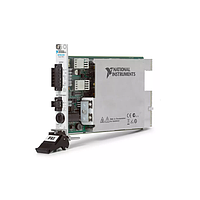
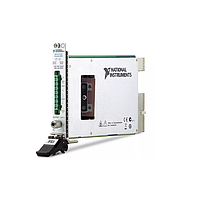
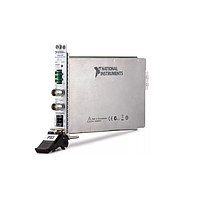
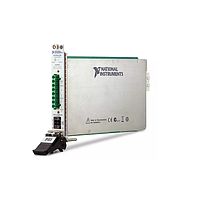
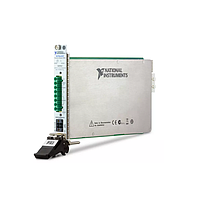
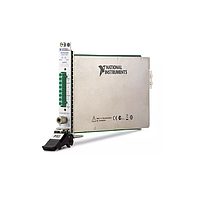
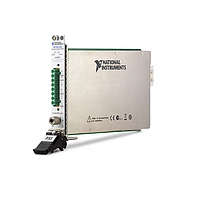
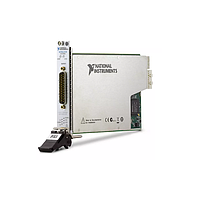
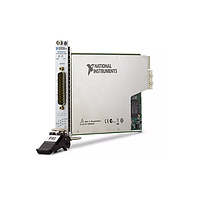
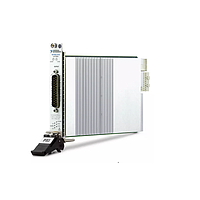
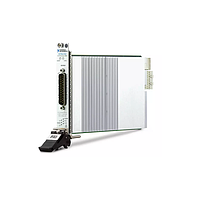
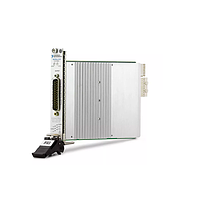
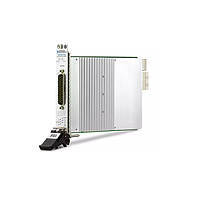
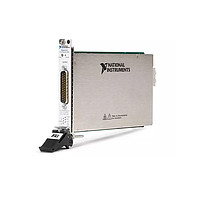
On this page, you can explore NI PXI and PXIe SMU options designed for scalable electronic test systems. The range covers single-channel modules for higher power and wider voltage requirements, as well as multi-channel models for parallel test where density, throughput, and rack space matter just as much as measurement quality.
Why SMUs matter in electronic test systems
A source measure unit is built to do more than act as a power supply or a meter alone. It can source voltage and measure current, or source current and measure voltage, which makes it suitable for I-V characterization, leakage testing, biasing, diode and transistor evaluation, and many other parametric measurements.
In modular test platforms, this approach helps reduce instrument count and simplifies automation. Instead of combining multiple bench instruments, an SMU can support compact, repeatable test architectures that are easier to integrate with switching, data acquisition, and software-controlled workflows.
NI PXI and PXIe SMUs for scalable architectures
This category focuses on NI source measure units for PXI and PXIe environments. These modules are well suited to engineers building automated test systems that need synchronization, modular expansion, and a clean path from R&D characterization to higher-throughput validation setups.
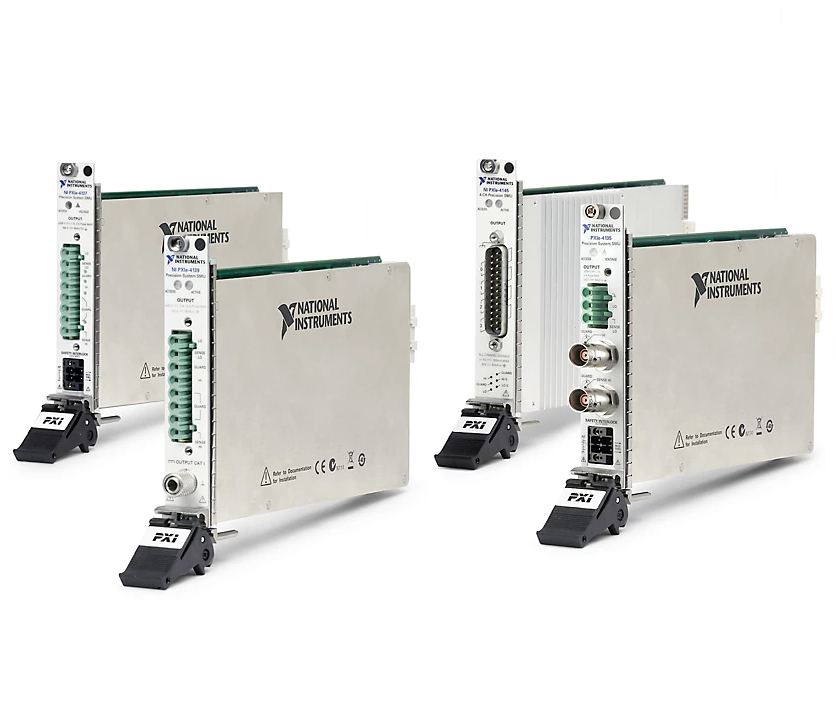
The product range includes dense multi-channel models such as the NI PXIe-4163 with 24 channels and the NI PXIe-4162 with 12 channels, along with versatile 4-channel options like the NI PXIe-4143, PXIe-4145, and PXIe-4147. For applications that need wider voltage swing or higher power on a single channel, models such as the NI PXIe-4138 and PXIe-4139 provide another path.
If your application also involves broader parametric test workflows, you may want to compare this range with the wider SMU portfolio and related modular instruments used in the same ecosystem.
Typical applications for source measure units
SMUs are commonly selected when test quality depends on both controlled stimulus and accurate response measurement. In electronics manufacturing and validation, they are frequently used for semiconductor device characterization, LED and photodiode testing, sensor evaluation, battery-related electrical studies, and low-current leakage measurements.
Multi-channel PXIe SMUs are especially useful when many DUT pins or many devices must be tested in parallel. A 24-channel module such as the NI PXIe-4163 can support higher channel density in compact systems, while 4-channel modules offer a balanced option for fixture-level flexibility and mixed test requirements.
In more demanding single-channel scenarios, the NI PXIe-4139 is relevant where higher voltage, higher power, or pulsed current capability is part of the test plan. That makes it suitable for applications where a dense channel count is less important than electrical range and power handling.
How to choose the right SMU module
The first selection factor is usually channel count. If the priority is parallel test throughput, denser modules can reduce chassis space and system complexity. If each DUT channel needs different operating conditions or if test points vary widely, lower-channel modules may provide a more practical balance.
The second factor is voltage and current range. Some applications need modest voltage with higher current, while others require a wider voltage span and lower current sensitivity. For example, the NI PXIe-4147 supports higher current operation in a 4-channel format, while the NI PXIe-4141 and PXIe-4143 are better aligned with lower-current precision tasks within their respective voltage ranges.
The third factor is measurement sensitivity and dynamic behavior. When low-level current matters, sensitivity in the pA or even fA region can influence model choice. Features such as SourceAdapt, available on several models in this range, may also be relevant when optimizing stability and response for different load conditions.
Comparing dense multi-channel and higher-power single-channel options
Dense SMUs and higher-power SMUs solve different problems. The NI PXIe-4162 and PXIe-4163 are aimed at environments where many channels are needed in one module, making them a strong fit for parallel parametric test and compact automated systems.
By contrast, the NI PXIe-4138 and PXIe-4139 focus on broader source range and stronger power capability per channel. These models are better suited when one DUT path requires more electrical stress, wider compliance range, or pulsed current behavior rather than a large number of simultaneous channels.
Between those two ends, 4-channel modules such as the PXIe-4140, PXIe-4142, PXIe-4144, and their higher-sensitivity counterparts provide practical middle-ground options. They can fit applications that need multiple channels without moving fully into very high-density architectures.
Building a complete PXI test setup around SMUs
In real systems, an SMU is often only one part of the measurement chain. Engineers may pair it with switching modules to route multiple test points, improve fixture utilization, or expand test coverage without dedicating one source channel to every node.
For validation and debug, it is also common to combine SMUs with instruments that provide waveform visibility or supporting measurements. Depending on the task, related tools such as oscilloscopes or digital multimeters can complement source-measure workflows inside the same modular environment.
What buyers should review before ordering
Before selecting a module, review the DUT operating window, required current sensitivity, expected channel utilization, and whether the system must source, sink, or pulse under certain conditions. It is also worth checking whether the application benefits more from fewer high-performance channels or a denser module that supports greater throughput.
For production-oriented systems, fixture design, switching strategy, and software integration can affect the right choice just as much as the electrical specification itself. A well-matched SMU category selection helps avoid oversizing the system in some areas while falling short in others.
Find the right source measure unit for your test objective
This category brings together NI PXI and PXIe source measure units for applications ranging from precision low-current measurement to multi-channel automated test and higher-power single-channel characterization. Whether the goal is compact parallel test, flexible lab automation, or a more capable electrical stimulus-and-measurement workflow, the right SMU depends on how channel density, source range, and sensitivity need to work together.
Use the available models on this page to narrow your selection based on real test priorities rather than specification lists alone. That approach usually leads to a system that is easier to scale, easier to automate, and better aligned with long-term measurement needs.
Get exclusive volume discounts, bulk pricing updates, and new product alerts delivered directly to your inbox.
By subscribing, you agree to our Terms of Service and Privacy Policy.
Direct access to our certified experts