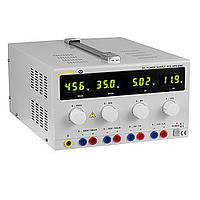
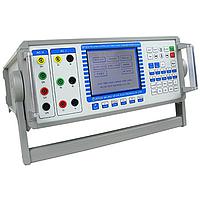
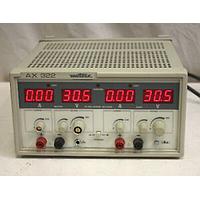
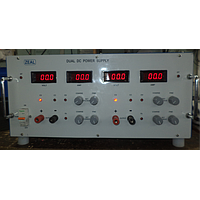
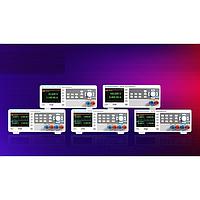
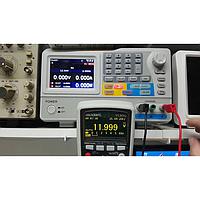
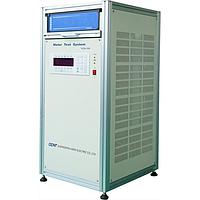
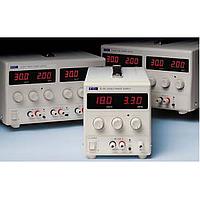
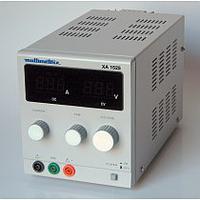
AC/DC Power Supply Calibration Service
Stable voltage and current output are fundamental to reliable testing, production, and maintenance work. When a power source drifts over time, even small deviations can affect product validation, burn-in procedures, R&D measurements, and troubleshooting results. A professional AC/DC Power Supply Calibration Service helps confirm that power equipment continues to perform within expected limits and supports confidence in downstream electrical measurements.
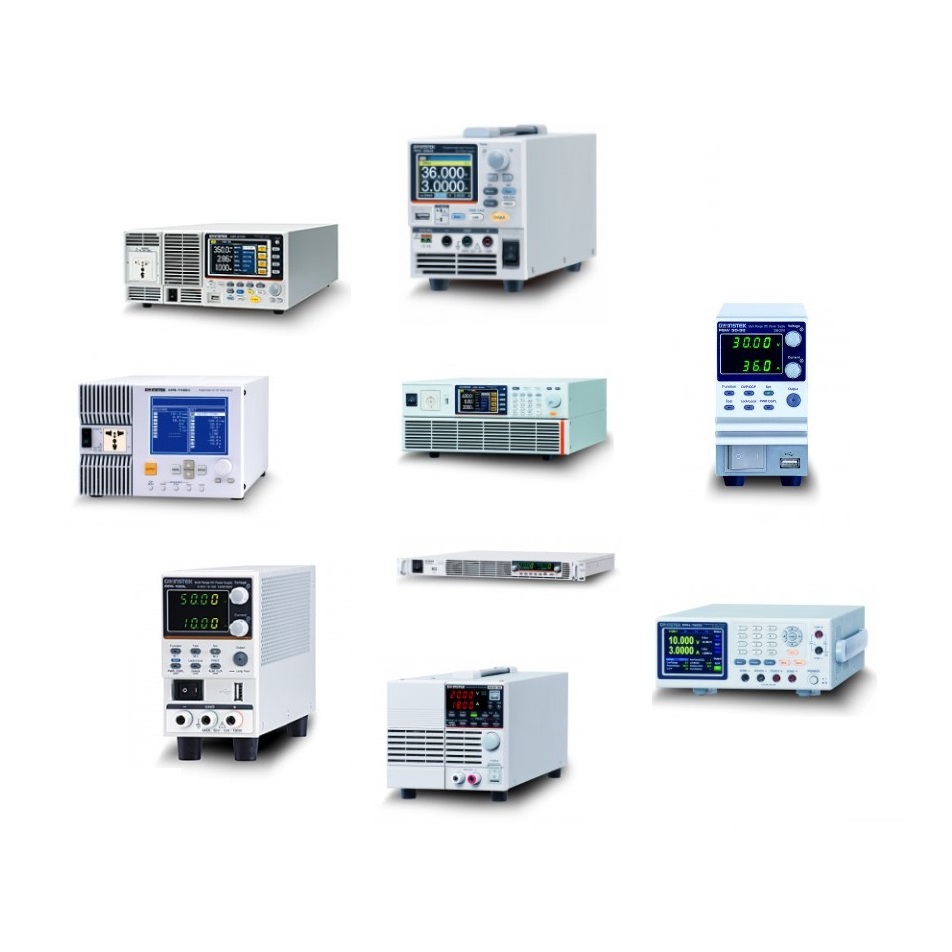
Why calibration matters for power supply equipment
AC and DC power supplies are often used as reference sources in laboratories, electronics manufacturing, automation testing, service centers, and quality departments. If output voltage, current, frequency, or regulation behavior shifts, the impact can extend beyond the power unit itself and influence the performance checks of connected devices.
Regular calibration supports measurement traceability, helps identify drift before it becomes a process issue, and reduces the risk of accepting inaccurate test results. For organizations working under internal quality systems or documented maintenance intervals, calibration is also an important part of equipment lifecycle management.
Scope of AC/DC Power Supply Calibration Service
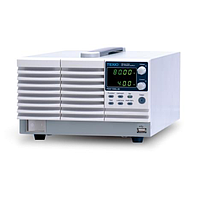
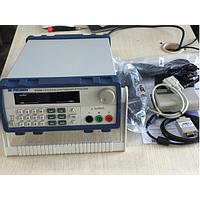
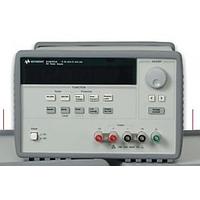
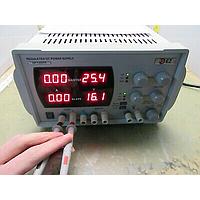
This category covers calibration support for a wide range of power equipment, from conventional DC bench supplies to AC power sources and specialized plasma power systems. In practical terms, the work may involve verifying key output parameters, checking operating behavior across usable ranges, and documenting the instrument condition for service records.
The category also connects naturally with more specific needs such as DC, programmable DC, AC, and plasma-related power source calibration. If your requirement is focused on a broader mix of source equipment, this section provides the right starting point before moving into more specialized service paths.
Typical instruments and brands covered
Many facilities operate mixed-brand inventories, so calibration demand often spans several manufacturers and power technologies. In this category, representative examples include services for Advanced Energy RF plasma generator calibration, CHROMA AC power source calibration, and DC power supply calibration for brands such as KEITHLEY, KEYSIGHT, OMRON, TEKTRONIX, YOKOGAWA, and Rohde & Schwarz.
Examples from the listed offering include Advanced Energy RF Plasma generator calibration service, CHROMA AC Power source calibration service, Artesyn AC Power source calibration service, and DC power supply calibration service for KEYSIGHT, KEITHLEY, OMRON, TEKTRONIX, and YOKOGAWA. These examples illustrate the practical coverage of the category without limiting it to one instrument style or one application environment.
Common use cases in labs, production, and maintenance
In R&D and validation labs, calibrated power sources are essential when engineers need repeatable source conditions for boards, modules, and complete systems. Output accuracy affects how test engineers interpret load response, power consumption, startup behavior, and pass/fail criteria during development work.
In manufacturing and service operations, calibration helps maintain consistency across production stations and repair benches. It is especially relevant where power supplies are used for end-of-line testing, incoming inspection, product screening, or service verification. For teams that also maintain broader electrical test assets, related support may be found under electrical and electronic meter calibration services.
How to choose the right calibration path
The most suitable service path depends on the type of source you use and how it is applied in your process. A basic DC bench supply, a programmable DC unit, an AC source, and a plasma power supply have different operating contexts, so the calibration approach should align with the equipment function rather than treating every source the same way.
It is usually helpful to review the instrument category, manufacturer, operating ranges used in your application, and whether the unit serves production, laboratory, or field support work. If your fleet includes both AC and DC source equipment, you may also want to compare this category with the more focused power supply calibration service category structure shown across related service groups, or expand into adjacent test assets such as oscilloscope and logic analyzer calibration where complete test setups are maintained together.
Benefits of calibrating AC, DC, and plasma power sources
A well-managed calibration program improves confidence in source output, helps reduce hidden process variation, and supports better decision-making when evaluating DUT performance. This is particularly important where the power source is part of a controlled test method or where service reports must support internal or external quality requirements.
For specialized equipment such as plasma-related systems, routine verification can be especially useful because these instruments are often integrated into demanding industrial environments. Whether the need involves an Advanced Energy RF plasma generator or a conventional AC/DC unit from brands like CHROMA or KEYSIGHT, the underlying goal remains the same: maintain output accuracy, repeatability, and service documentation that your team can rely on.
Working with mixed-brand power supply inventories
Many companies do not standardize on a single vendor. A typical workshop or test department may use CHROMA AC sources alongside KEITHLEY or KEYSIGHT DC supplies, with additional units from OMRON, TEKTRONIX, YOKOGAWA, Artesyn, BKPRECISION, or Rohde & Schwarz. A category-level service page is useful in this context because it simplifies navigation when users need calibration support across several brands and equipment types.
It also helps maintenance planners and purchasing teams organize calibration schedules more efficiently. Rather than searching model by model, they can begin from a broader service category, identify the appropriate equipment group, and then move to the relevant product or manufacturer page if a brand-specific request is needed.
Choosing a service category that fits your workflow
When selecting calibration support for source equipment, it is worth thinking beyond the instrument name alone. Consider how the power supply is used, how critical it is to process quality, and whether related instruments in the same test chain also require periodic calibration. A coordinated approach often improves equipment uptime and keeps records easier to manage.
This category is designed for organizations that need a clear entry point for calibrating AC power sources, DC power supplies, programmable source equipment, and plasma-related power systems. If your operation depends on reliable source performance, starting with the right calibration scope can make routine maintenance and technical planning more straightforward.
Get exclusive volume discounts, bulk pricing updates, and new product alerts delivered directly to your inbox.
By subscribing, you agree to our Terms of Service and Privacy Policy.
Direct access to our certified experts