Plasma Power Supply Calibration Service
Stable plasma processes depend on more than output power alone. In semiconductor, coating, surface treatment, and vacuum-based manufacturing environments, even small drift in a power source can affect process repeatability, matching conditions, and overall equipment performance. That is why Plasma Power Supply Calibration Service plays an important role in maintaining confidence in RF and plasma-related power systems.
For maintenance teams, integrators, and production engineers, calibration is not only about checking whether a unit turns on and delivers power. It is about verifying that critical electrical behavior remains within expected tolerances so the power supply can support consistent process control, troubleshooting, and documented quality routines.
Why calibration matters for plasma power systems
Plasma applications often operate in demanding environments where power delivery must remain predictable across changing loads, matching networks, and process recipes. Over time, component aging, thermal stress, and regular operating cycles can influence measurement accuracy and output behavior. A structured calibration service helps confirm that the instrument or power source still performs as intended.
In practice, this supports several operational goals: improved process consistency, better traceability for maintenance records, and clearer diagnostics when system performance changes. For facilities that rely on controlled plasma generation, calibration also helps separate true process issues from problems caused by drift in the power source itself.
What a plasma power supply calibration service typically supports
A professional service in this category is relevant for equipment used to generate or regulate power in plasma processes, especially where RF output accuracy, power stability, and reliable electrical performance are important. The exact calibration scope depends on the equipment design, test method, and operational use case, but the objective remains the same: to verify measurable performance against defined reference standards.
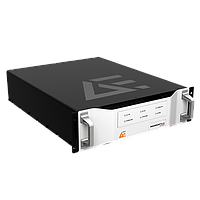
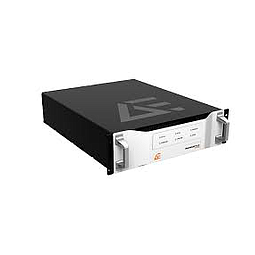
This is particularly important for users working with systems from Advanced Energy, a widely recognized name in power solutions for demanding industrial and process applications. For example, the Advanced Energy RF Plasma generator calibration service is relevant when facilities need dedicated support for RF plasma generator verification within a broader maintenance or quality program.
Common situations where recalibration becomes necessary
Calibration intervals are often influenced by actual operating conditions rather than time alone. Heavy-duty production cycles, high thermal load, shutdown events, field repairs, or unexplained process variation can all be signs that the power supply should be checked. In many facilities, recalibration is also scheduled after preventive maintenance or before critical production runs.
Another common trigger is inconsistency in downstream process results. If coating uniformity, plasma ignition behavior, or system tuning starts to vary, the power source may be one of the components that requires verification. In these cases, calibration helps maintenance teams confirm whether the issue is electrical, process-related, or linked to another subsystem.
How this service fits into a broader calibration workflow
Plasma systems are rarely isolated. They usually operate alongside DC, AC, or programmable power equipment within a larger process platform. When a facility manages multiple power technologies, it can be useful to align service planning across related categories such as DC power supply calibration and programmable DC power supply calibration.
Looking at calibration in this broader way can simplify asset management and improve service scheduling. It also helps quality teams maintain a clearer record of instrument condition across power-related equipment, especially in environments where multiple sources contribute to one process line or test setup.
What buyers and engineers usually look for
When selecting a calibration service for plasma power equipment, most technical buyers focus on relevance to the actual device type, suitability for the operating environment, and the ability to support maintenance documentation. The service should make sense for the installed equipment and the level of process control required by the application.
It is also important to consider whether the calibration need is specific to plasma and RF systems or part of a larger power equipment program. In some operations, users may compare this category with a more general AC power supply calibration service when reviewing broader site requirements. The right choice depends on the architecture of the equipment and the role the power source plays in production or testing.
Benefits of regular calibration for plasma applications
The main value of recurring calibration is not limited to compliance. It supports repeatable power delivery, clearer maintenance decisions, and more reliable troubleshooting when process behavior changes. In technical environments where uptime and reproducibility matter, these practical benefits are often just as important as formal documentation.
Regular calibration can also reduce uncertainty during diagnostics. Instead of spending time questioning whether measured output still reflects actual performance, teams can work from a more reliable baseline. This is especially useful in high-mix production, R&D setups, and process lines where small electrical deviations can influence final results.
Choosing the right service scope
Not every plasma power supply is used in the same way, so service expectations should reflect real operating conditions. Some users need routine verification as part of scheduled maintenance, while others require more targeted support tied to specific RF plasma generator performance checks. A sensible calibration plan takes into account equipment criticality, process sensitivity, and service history.
For organizations using plasma power systems in quality-sensitive environments, a category like this helps narrow the search to services designed for the right type of equipment. That makes it easier to evaluate suitable options, coordinate service with related assets, and maintain more reliable long-term operation.
When plasma process stability, maintenance traceability, and dependable electrical performance all matter, a focused calibration service is a practical part of equipment care. Reviewing the equipment type, application context, and related power systems will help you select a service scope that matches both operational needs and maintenance priorities.
Get exclusive volume discounts, bulk pricing updates, and new product alerts delivered directly to your inbox.
By subscribing, you agree to our Terms of Service and Privacy Policy.
Direct access to our certified experts