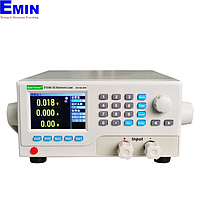
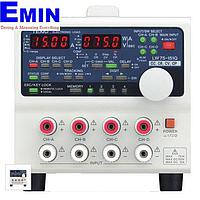
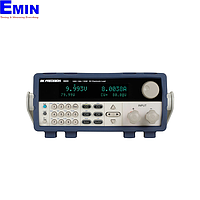
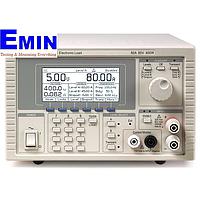
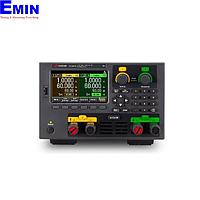
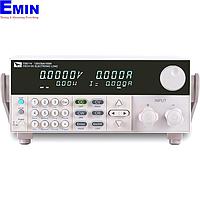
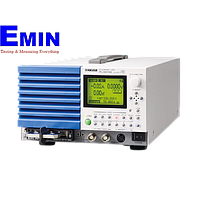
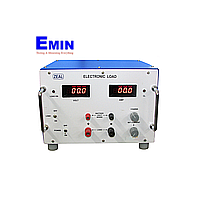
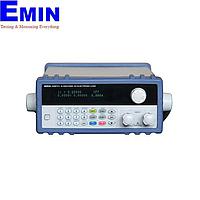
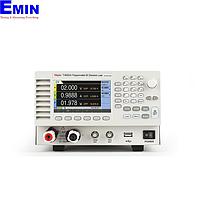
Electronic Load Calibration Service
Accurate load simulation is essential when verifying power supplies, batteries, chargers, converters, and other DC power devices in test benches or production environments. When an electronic load drifts over time, current, voltage, resistance, or power readings can become unreliable, affecting both product validation and maintenance decisions. A professional Electronic Load Calibration Service helps keep these instruments aligned with expected performance and suitable for routine technical use.
This category is intended for organizations that rely on electronic loads in R&D, service labs, manufacturing, and quality control. Whether you use standalone benchtop units or electronic loads as part of a broader power test setup, calibration supports traceability, repeatability, and confidence in measured results.
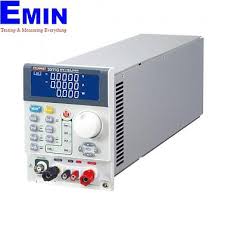
Why electronic load calibration matters
An electronic load is designed to sink power from a source under controlled conditions. In practical use, it may operate in modes such as constant current, constant voltage, constant resistance, or constant power, depending on the instrument and test requirement. If the load no longer responds accurately, the entire test chain can be affected, especially when evaluating supply regulation, discharge behavior, or protection performance.
Calibration helps verify that the instrument’s set values and measured values remain within acceptable limits for the intended application. For technical teams working with power conversion and energy systems, this is not only a quality issue but also a way to reduce uncertainty during troubleshooting, comparison testing, and documented inspections.
Typical equipment covered in this category
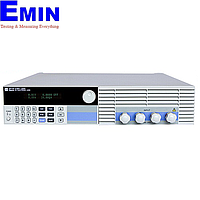
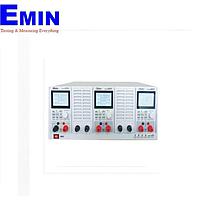
This service category focuses on calibration for electronic loads used in electrical and electronic testing. It is particularly relevant for DC load applications, where stable and repeatable loading conditions are needed to assess source performance under realistic operating scenarios.
Examples in this category include service options for widely used brands such as KEYSIGHT, KEITHLEY, Ametek, GW INSTEK, KIKUSUI, BKPRECISION, TEXIO, TTI, PINTEK, and PRODIGIT. Representative service listings may include KEYSIGHT DC Electronic Load Calibration Service, KEITHLEY DC Electronic Load Calibration Service, GW INSTEK DC Electronic Load Calibration Service, or KIKUSUI DC Electronic Load Calibration Service, depending on the equipment installed in your lab or facility.
What is typically checked during calibration
Although procedures vary by instrument design and required scope, electronic load calibration commonly focuses on key operating functions tied to how the unit applies and measures load. This often includes verification of current draw accuracy, voltage indication, operating mode behavior, and response consistency across relevant ranges.
In many workflows, technicians also review display behavior, control response, and measurement stability under defined test points. The goal is not simply to confirm that the unit powers on, but to assess whether it can support dependable test results in actual use. For organizations that also maintain related source instruments, it can be practical to review AC/DC power supply calibration services alongside electronic load calibration as part of one maintenance cycle.
How to choose the right service scope
The right calibration approach depends on how the electronic load is used in your process. A load used for basic maintenance checks may require a different scope than one used in design verification, incoming inspection, or regulated documentation. Frequency of use, operating stress, past drift history, and internal quality requirements all influence how often calibration should be scheduled and how detailed the verification needs to be.
It is also useful to consider the broader measurement chain. If your workflow involves multiple test instruments connected to the same DUT, results can only be as reliable as the combined system. In those cases, calibration planning may extend beyond the load itself to related equipment categories such as electrical and electronic meter calibration or oscilloscope and logic analyzer calibration.
Supported brands and example service options
This category includes service references for a range of established instrument manufacturers commonly found in industrial and laboratory environments. Among the most visible are Ametek, KEITHLEY, KEYSIGHT, BKPRECISION, GW INSTEK, KIKUSUI, TEXIO, TTI, PINTEK, and PRODIGIT.
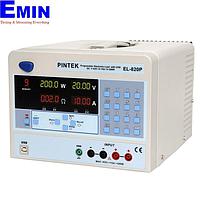
Available examples include Ametek DC Electronic Load Calibration Service, PINTEK DC Electronic Load Calibration Service, TEXIO DC Electronic Load Calibration Service, TTI DC Electronic Load Calibration Service, and BKPRECISION DC Electronic Load Calibration Service. These listings help users locate calibration support that matches the make of the instrument already deployed in their organization, without having to search broadly across unrelated service categories.
Applications across lab, production, and service environments
Electronic loads are widely used anywhere a power source must be tested under controlled demand. Common scenarios include bench testing of DC power supplies, battery discharge evaluation, charger verification, power module inspection, and routine maintenance of electrical assemblies. In these environments, calibration helps maintain consistency between historical records and current measurements.
For production and QA teams, dependable calibration also supports trend monitoring. When a unit under test appears to fail or drift, engineers need confidence that the measuring and loading equipment is not the source of error. This becomes even more important when comparing results between departments, facilities, or maintenance intervals.
When to consider recalibration
Many organizations follow a periodic recalibration schedule based on internal quality systems, audit requirements, or usage intensity. Recalibration is also worth considering after heavy use, transport, repair, unusual thermal stress, or any event that may affect measurement performance. If operators notice unstable readings, poor repeatability, or unexpected deviations between instruments, calibration review is a sensible next step.
For teams working with battery-related test systems, this category can also complement specialized service needs such as DC load and discharge equipment support. Planning service intervals around application risk, equipment criticality, and operating history is usually more effective than waiting for visible failure.
Finding the right calibration service for your equipment
Choosing a service from this category is easiest when you start with the instrument brand and its role in your process. If your bench relies on KEYSIGHT, KEITHLEY, GW INSTEK, Ametek, or similar platforms, selecting the matching calibration listing helps narrow the service path quickly and keeps documentation aligned with the equipment actually in use.
Electronic load calibration is ultimately about maintaining trusted test conditions. By keeping load behavior and readings under control, engineering teams can make better decisions during verification, maintenance, and quality assurance. Browse the available service options in this category to identify the calibration path that best fits your electronic load fleet and testing workflow.
Get exclusive volume discounts, bulk pricing updates, and new product alerts delivered directly to your inbox.
By subscribing, you agree to our Terms of Service and Privacy Policy.
Direct access to our certified experts