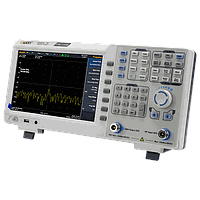
Spectrum Analyzer Calibration Service
Accurate RF measurements depend on more than instrument features alone. Over time, normal use, environmental changes, connector wear, and component drift can affect how a spectrum analyzer reports frequency, amplitude, and signal behavior. That is why a professional Spectrum Analyzer Calibration Service is an important part of maintaining reliable test results in laboratories, production environments, telecom work, and electronics service operations.
When calibration is performed at the right interval, teams can reduce uncertainty in measurement-based decisions, improve traceability, and keep critical instruments aligned with their intended performance. For organizations that rely on spectrum analysis for troubleshooting, verification, or compliance-related tasks, calibration helps protect both measurement confidence and workflow continuity.

Why spectrum analyzer calibration matters
Spectrum analyzers are used to evaluate signal level, frequency content, harmonics, noise, and interference across a defined range. In practical work, even small measurement deviations can influence pass/fail judgments, fault diagnosis, or comparison between design targets and actual system behavior. Regular calibration helps verify that the instrument remains dependable for these tasks.
This is especially relevant in RF and electronic test environments where measurement chains often include multiple instruments. If your workflow also depends on related equipment such as oscilloscopes and logic analyzers calibration services, maintaining consistency across instruments can support more coherent troubleshooting and validation practices.
What a calibration service typically helps verify
A spectrum analyzer calibration process generally focuses on the parameters that directly affect measurement confidence. Depending on the instrument and service scope, this may include checks related to frequency accuracy, amplitude response, reference level behavior, resolution bandwidth performance, and other core operating characteristics. The goal is not simply to inspect the unit, but to confirm that it performs within acceptable measurement tolerance.
In many industrial and lab settings, calibration also supports quality systems by providing documented evidence of instrument condition at the time of service. This is useful for preventive maintenance planning, internal audits, and test environments where traceable records are expected.
Supported brands and service coverage
This category includes service options for widely used instrument brands in RF and electronic measurement. Examples include ANRITSU, KEYSIGHT, Rohde & Schwarz, TEKTRONIX, YOKOGAWA, BKPRECISION, GW INSTEK, and PROTEK. Referring to brand-specific service listings can make it easier to locate the most relevant option for the equipment already in use at your site.
Representative offerings in this category include ANRITSU Spectrum Analyzer Calibration Service, KEYSIGHT Spectrum Analyzer Calibration Service, Rohde & Schwarz Spectrum Analyzer Calibration Service, TEKTRONIX Spectrum Analyzer Calibration Service, and YOKOGAWA Spectrum Analyzer Calibration Service. These examples illustrate the range of supported manufacturers without turning the page into a model list, which is rarely the most useful way to evaluate calibration needs.
How to choose the right service for your instrument fleet
The best fit often depends on how the analyzer is used, how often it is used, and how critical the measurement results are to production or verification work. A benchtop instrument used occasionally for basic signal checks may have different service planning needs than an analyzer used daily for RF troubleshooting, incoming inspection, or test documentation.
It is also worth considering the broader instrument environment. If your organization manages multiple categories of test equipment, coordinating service intervals across related devices can simplify asset control. For example, some users review spectrum analyzer calibration together with AC/DC power supply calibration services or other electronic measurement categories to streamline maintenance scheduling.
Typical applications that benefit from regular calibration
Spectrum analyzer calibration is relevant anywhere RF visibility and signal integrity matter. Common examples include telecommunications support, wireless product testing, electronics manufacturing, service centers, training labs, and maintenance departments handling high-frequency systems. In these environments, dependable readings help teams identify signal anomalies faster and avoid decisions based on drifted measurements.
Calibration is also valuable in mixed measurement setups where spectrum analysis is only one part of the process. If a facility maintains a broad test and inspection program, complementary services such as electrical and electronic meter calibration may be part of the same quality framework.
Examples of available service listings
Within this category, buyers can review service pages such as GW INSTEK Spectrum Analyzer Calibration Service, BKPRECISION Spectrum Analyzer Calibration Service, and PROTEK Spectrum Analyzer Calibration Service alongside the better-known global brands. This is useful for companies operating a mixed instrument base, where calibration support may be needed for both flagship lab equipment and more routine bench instruments.
Rather than choosing based only on brand familiarity, it is more practical to match the service listing to the actual equipment in operation and the documentation requirements of the application. That approach helps purchasing teams, maintenance personnel, and metrology coordinators make better decisions across a varied installed base.
When to review calibration intervals
Calibration intervals are typically influenced by usage intensity, operating environment, internal quality requirements, and the consequences of measurement error. Instruments exposed to frequent transport, continuous use, demanding environmental conditions, or critical acceptance testing often need closer attention than lightly used units stored in stable lab conditions.
Reviewing intervals periodically can be just as important as completing the service itself. If measurement history, process risk, or audit expectations change over time, adjusting the calibration plan can improve both cost control and reliability. For many organizations, this turns calibration from a reactive task into a structured part of asset management.
Finding a practical service path
A well-managed Spectrum Analyzer Calibration Service program helps keep RF measurements credible, repeatable, and easier to defend in real operating conditions. Whether the instrument is used for troubleshooting, production support, or technical evaluation, calibration plays a direct role in reducing uncertainty and maintaining trust in the data.
If you are comparing options in this category, start with the brand and service type that matches your installed equipment, then review how it fits into your wider calibration schedule. That approach usually leads to a more efficient maintenance plan and more consistent measurement quality across the instruments your team depends on every day.
Get exclusive volume discounts, bulk pricing updates, and new product alerts delivered directly to your inbox.
By subscribing, you agree to our Terms of Service and Privacy Policy.
Direct access to our certified experts